





Introduction
The Basilica of San Nicola in Bari is far more than just a religious building; it’s the historical, spiritual and cultural heart of a port city that has long sat at the crossroads between West and East. Built between 1087 and 1197 to house the relics of Saint Nicholas — Bari’s patron saint (and known worldwide as Santa Claus / Saint Nicholas) — the basilica tells a story of faith, pilgrimage and Mediterranean maritime exchange. For the curious traveler, visiting the Basilica di San Nicola in Bari Vecchia means stepping into a thousand years of Romanesque architecture, sacred art, popular devotion and everyday life that still pulses through the surrounding lanes.
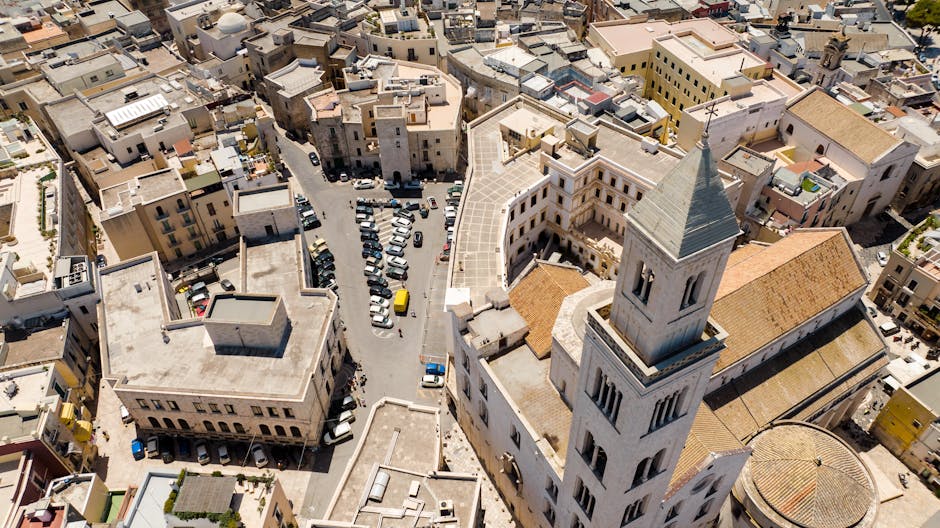
Arriving at the basilica you first feel stone and sea: the plain, solid façade of local stone, the bell towers cutting a silhouette against the sky, and the weathered fronts of the houses around the piazza. Inside, the light behaves differently, revealing ancient columns, carved capitals, mosaics and a high altar that preserves the memory of countless pilgrimages. For worshippers it’s a place for prayer and reflection; for history buffs and the curious it’s a living museum where every capital, every fresco and every relic tells a chapter of European history.
But why is the Basilica of San Nicola considered a “must-see” in Bari? Because it brings together several layers: an outstanding example of Romanesque architecture, an internationally important religious role linked to the cult of Saint Nicholas, a central urban position that helps you understand Bari Vecchia, and a range of hands-on experiences for visitors — touring the crypt, attending Mass, climbing the bell tower (when open), or wandering the alleys to sample taralli and local focaccia. In this guide I offer a full, immersive walkthrough: exact addresses, opening times, prices, detailed descriptions of the spaces (interior, crypt, bell tower, museum), practical tips to make the most of your visit, and suggestions to extend the experience in the immediate area.
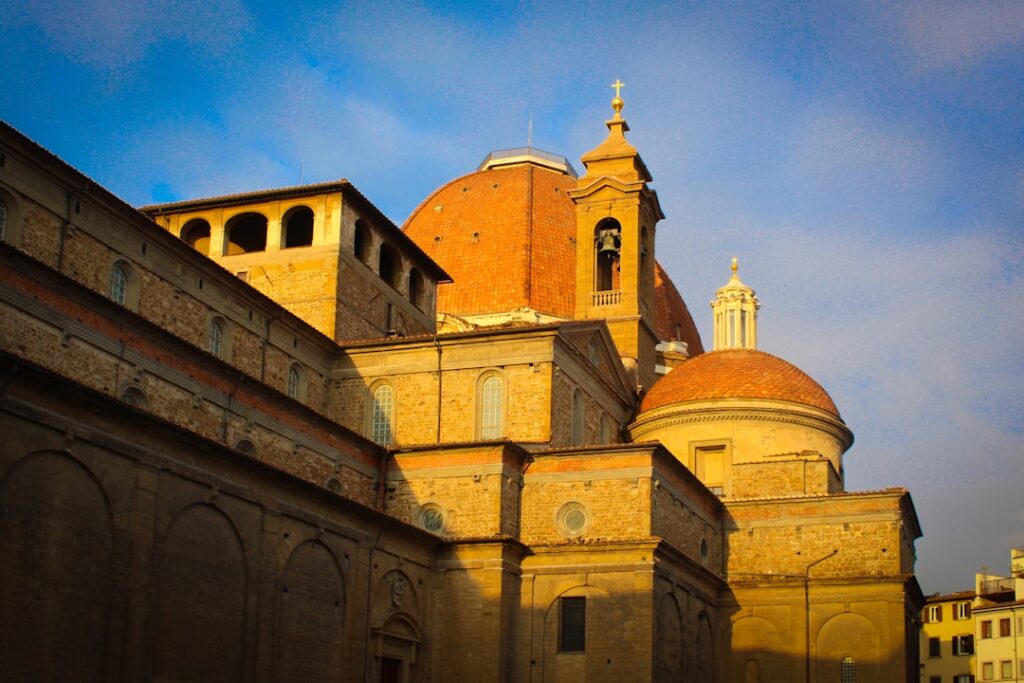
Whether you’re a believer, a fan of Romanesque architecture, a photographer or an inquisitive traveler, the Basilica of San Nicola offers such richness that it deserves a careful visit. The following lines spell out the reasons this monument is essential in Bari: accessibility, architectural uniqueness, reliquary treasure, local life and annual events. I’ll also tell you how to plan your visit practically — when to come, where to park, how to skip lines, and which local businesses are worth visiting afterward — so your stop at the basilica is spiritual, cultural and enjoyable.
A Romanesque Masterpiece and Its Interior Decoration
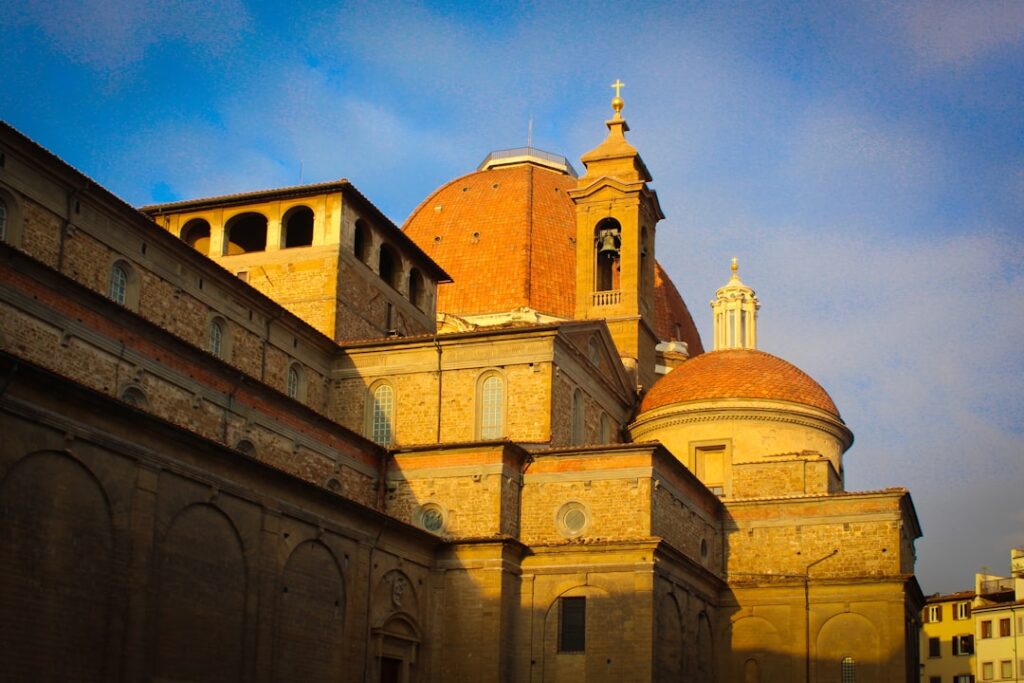
The Basilica di San Nicola stands at the official address Largo Abate Elia, 13, 70122 Bari BA, Italy, and is one of the purest expressions of Apulian Romanesque architecture. The façade, austere and geometric, hints at the complexity within: a central nave flanked by aisles, a defined transept and an apse that has welcomed worshippers since the Middle Ages. The local limestone gives the building a warm tone that changes with the daylight — especially striking at dawn and in the late afternoon.
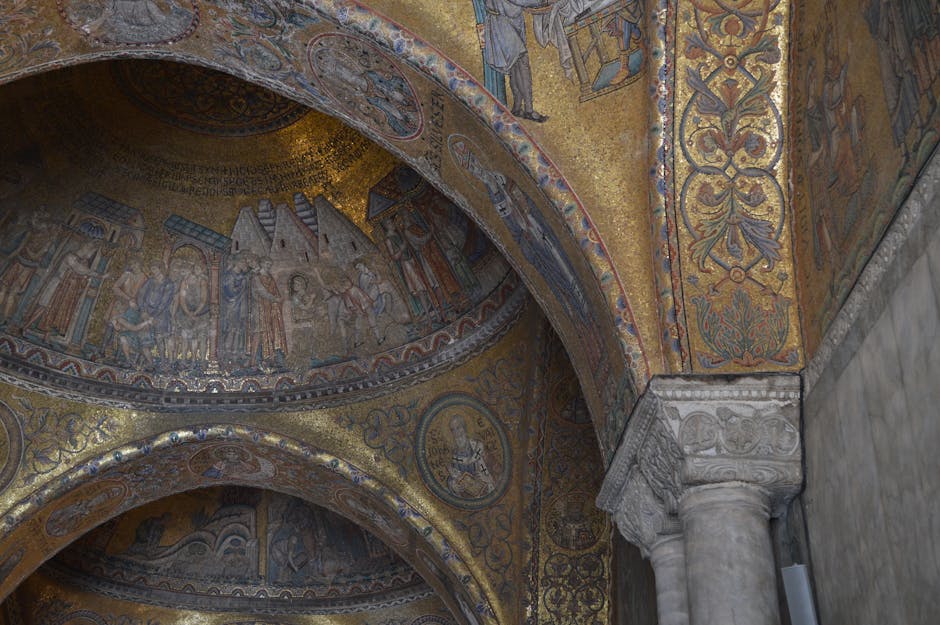
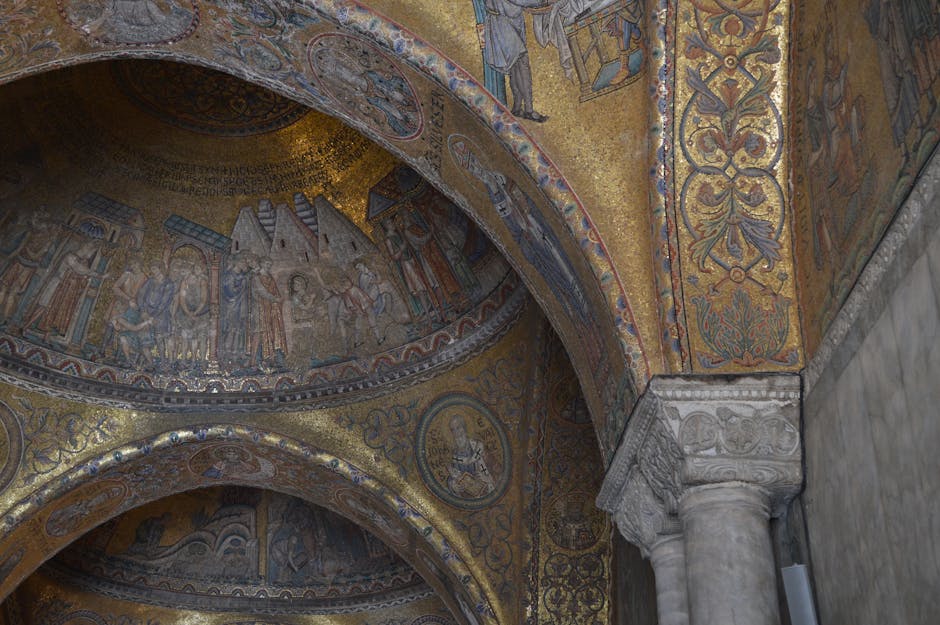
Inside, visitors find massive columns often made from reused ancient material, with finely carved capitals combining vegetal motifs, human figures and biblical scenes. The crucifix, the high altar and several liturgical elements testify to the continuous practice of worship: the basilica is not a frozen museum but a living place. The central nave has remarkable acoustics — attend a Mass or a short sung prayer to feel the space’s millennial resonance.
The architectural story continues in often-overlooked details: the flooring, reused sarcophagi, wooden pews, and the series of side chapels — each with its local tale. Successive restorations have honored the Romanesque spirit while incorporating Baroque elements in some chapels, creating a mix of eras that enriches the visit and invites slow observation.
Practical tip: to fully appreciate the architecture and sculptural richness, allow at least 45 to 60 minutes inside. Bring a paper guide or join a guided tour (see the “Tours and services” section) so you don’t miss the iconographic details and the history behind the capitals.
The Crypt and the Treasure: Relics, History and Mystery
One of the basilica’s major draws is its crypt, which houses the relics of Saint Nicholas. Located beneath the choir, the crypt is the spiritual heart of pilgrimage. The atmosphere here is more intimate, almost cloister-like: darker stone, subdued lighting, and a silence that deepens the sense of contemplation. The crypt contains the tomb traditionally attributed to Saint Nicholas, which has made Bari a key stop for pilgrims since the 11th century.
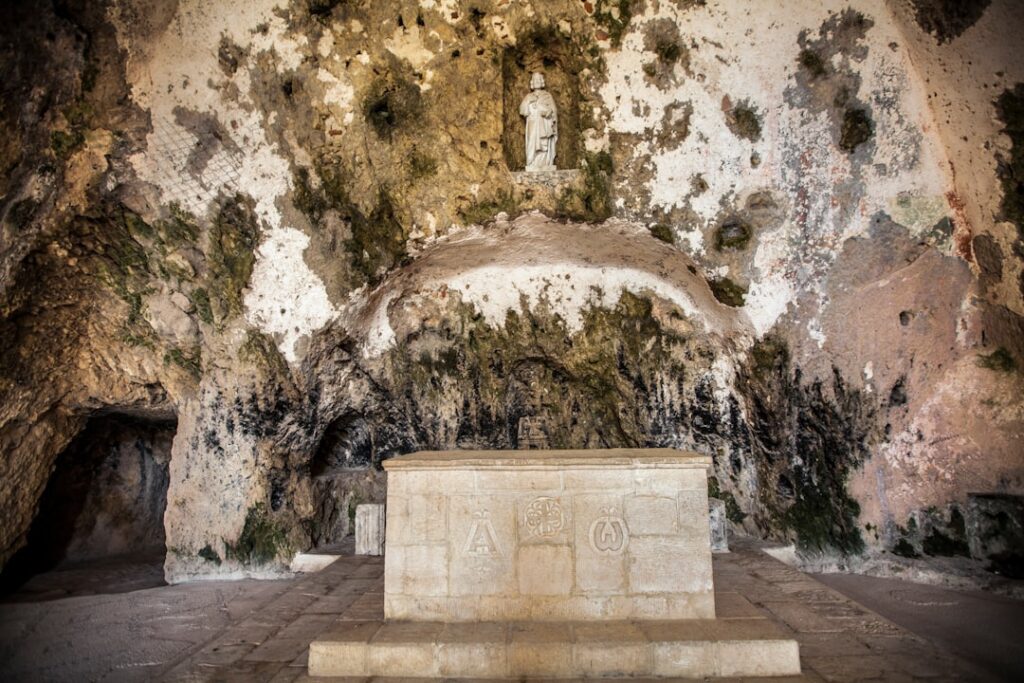
Besides the tomb, the basilica preserves a small liturgical treasure: chalices, vestments, manuscripts and votive objects, some of which are displayed in the Museo Nicolaiano adjoining the basilica. The museum traces the cult of Saint Nicholas through the ages, showing how the relic influenced local devotion and exchanges between Bari, Byzantium and the Levantine coasts. The exhibited pieces, often delicate, also explain the making of processions and the liturgical ornaments used over centuries.
Price and access: entry to the basilica itself is free. Access to the crypt is generally included, but the Museo Nicolaiano (museum) may charge a small fee — typically around €4 to €6 per person (check locally). Special temporary exhibitions or guided visits may carry an extra charge.
Practical tip: the crypt tends to be busier during major feast days (May 9 and December 6). If you want a quiet moment, come early on weekdays between 8:00 and 10:00. Photographers should note that photography in the crypt may be restricted or limited; ask permission from staff.
The Cult of Saint Nicholas and Annual Celebrations: A Cultural and Spiritual Highlight
The Basilica of San Nicola is not just a historical monument; it’s a living pilgrimage center. Two dates especially animate the basilica and the city: May 9 (commemorating the arrival of the relics in Bari) and December 6 (the traditional feast of Saint Nicholas). These days draw pilgrims, worshippers and curious visitors from around the world.
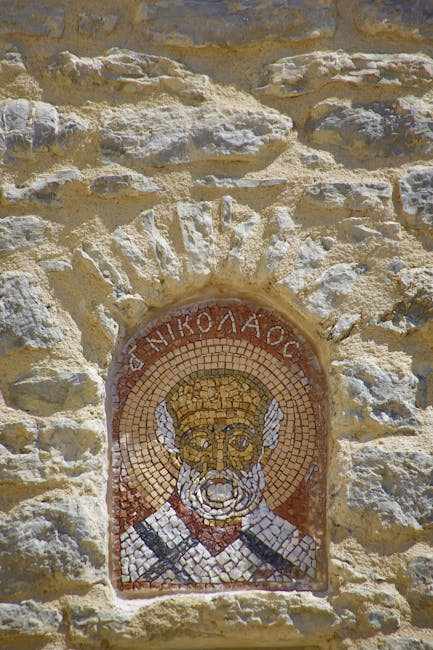
On May 9, Bari celebrates the translation of the relics from Myra (now in Turkey) to Bari in 1087. The city holds solemn religious ceremonies, processions and often sacred music concerts. On December 6 the celebration is more international and family-oriented, recalling Saint Nicholas as protector of children and sailors. Events take place in the basilica, on the piazza and along the seafront, creating an atmosphere of devotion and conviviality.
Practical info: if your trip coincides with these dates, book lodging well in advance and expect temporary closures or modified schedules for religious services. Prepare for crowd control measures during processions and heavy foot traffic in the crypt.
Local tip: during festival days, enjoy the stalls and local specialties around the piazza to sample focaccia barese, taralli and other Apulian treats. The festival is also a good moment to buy handcrafted ex-votos and religious souvenirs in shops around the basilica.
Guided Tours, Practical Hours and Prices
To get the most out of your visit it’s useful to know opening hours and available tour options. The Basilica di San Nicola is generally open daily, but times can vary with the season and liturgical calendar.
- Address: Largo Abate Elia, 13, 70122 Bari BA, Italy
- Typical hours: roughly 7:00 – 12:30 / 16:00 – 19:30 (verify locally or online before your visit)
- Entry: access to the basilica is free
- Museo Nicolaiano: indicative fee €4 – €6
- Guided tours: available in Italian and sometimes in English; expect around €5 – €10 per person depending on duration and type (group or private)
Practical tip: the above schedules are indicative — during high season (April to October) or for religious events, opening times may be extended. Contact the parish office or check the basilica’s official site to confirm guided tours and crypt availability. Religious services may limit access to certain areas during celebrations.
Accessibility: the basilica has stairs to reach the crypt; accessibility for people with reduced mobility may be limited in some areas. Ask at the reception about possible access solutions or quieter time slots.
How to Fit the Basilica into Your Bari Visit: Routes and Local Tips
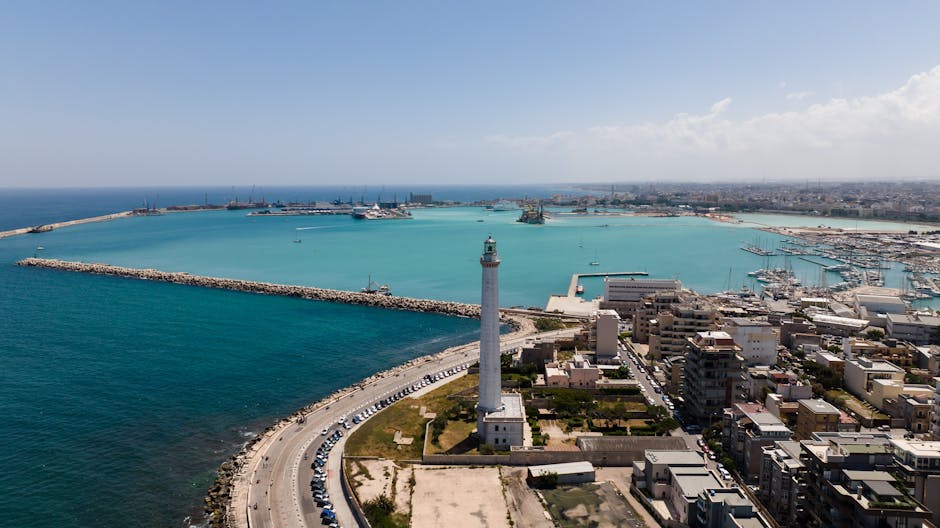
The Basilica of San Nicola sits in the heart of the old town, just minutes on foot from the seafront and Bari Centrale station. Here are a few suggestions to plan your day:
- From Bari Centrale station: about a 20–25 minute walk (1.6 km) via Via Sparano and through the old town, or take a city bus (lines 2/3 depending on the city map) or a taxi (around €8–10).
- Parking: parking in Bari Vecchia is limited; use paid lots around the old town (Park Bari Vecchia — various daily rates), or park near the Lungomare and walk in.
- Recommended route: start at the basilica in the morning, then stroll to the Cattedrale di San Sabino (Piazza San Sabino, 70122 Bari) and Castello Svevo (Piazza Federico II di Svevia, 70122 Bari); finish on the Lungomare Nazario Sauro for sunset and fresh seafood.
- Food & breaks: try focaccia barese (Via Argiro and nearby streets) and orecchiette in a local trattoria; average meal cost: €10 – €25 per person.
Local advice: avoid peak crowd hours (10:30 – 12:30) if you want tranquility. Local guides often offer combined tours basilica + castle + cathedral, handy for a structured half-day. Remember to dress respectfully (cover shoulders, avoid very short shorts) if you plan to attend Mass or enter certain chapels.
Around the Basilica: Monuments, Walks and Not-to-Miss Experiences
Visiting the Basilica di San Nicola pairs perfectly with other nearby sites for a full immersion into Bari’s spirit:
- Castello Svevo (Piazza Federico II di Svevia, 70122 Bari): a Norman-Swabian fortress, entrance around €6 – €8, hours vary (generally 9:00 – 19:00).
- Cattedrale di San Sabino (Piazza San Sabino, 70122 Bari): neighboring Romanesque cathedral, free to visit or by voluntary donation, often open 8:00 – 19:00.
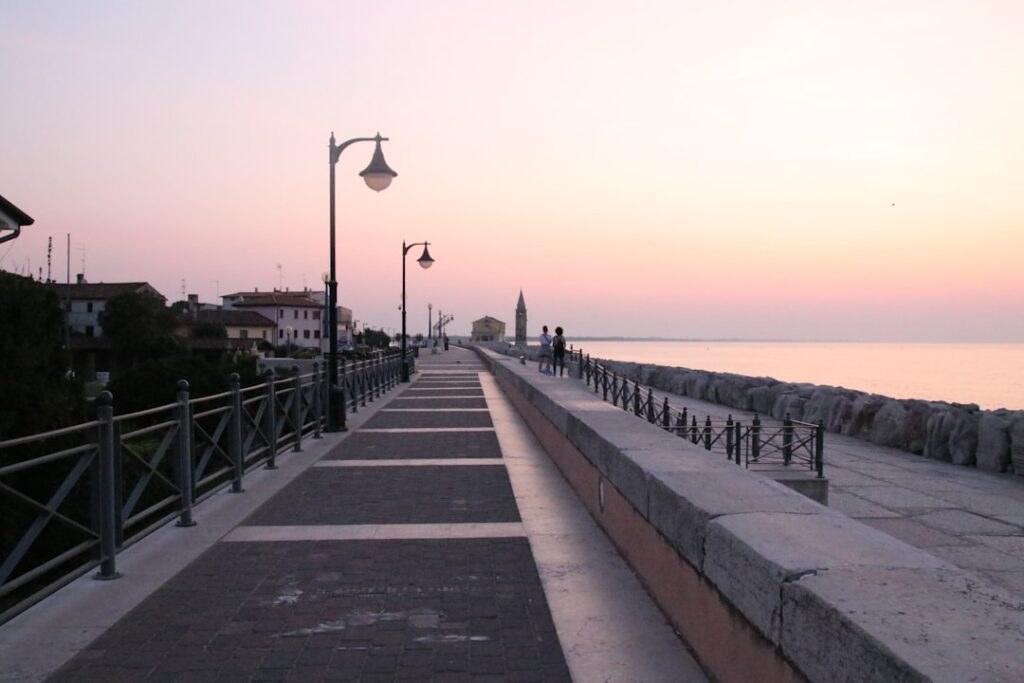
- Lungomare Nazario Sauro: a seaside promenade perfect for sunset; many cafés and gelato shops nearby.
- Old town (Bari Vecchia): narrow lanes, scenes of local life, artisan workshops and small family-run restaurants.
Recommended experience: take an orecchiette cooking class in a small culinary school in the historic center to learn about Apulian cooking. Cost: around €40 – €70 depending on the workshop (ingredients and tasting included).
Photographer’s tip: the golden light of late afternoon brings out exceptional colors in the basilica’s stone and the nearby alleys. For a panoramic view, look for elevated spots in Bari Vecchia or the nearby port quay.
Conclusion
The Basilica of San Nicola in Bari is, without doubt, an essential stop for anyone wanting to understand the history, faith and culture of this Apulian port city. It combines a pure Romanesque architectural language, a crypt that houses relics of international significance, an artistic and liturgical treasury, and an ongoing popular and religious life. Visiting the basilica opens you to many layers of history: medieval exchanges between Bari and the East, Marian and Nicene devotion, and the social practices that still animate the piazza and nearby alleys today.
Practically speaking, the basilica is easily reachable from Bari Centrale station, sits at Largo Abate Elia, 13, 70122 Bari BA, Italy, and generally offers wide daily opening times (most areas are free, with a small fee for the Museo Nicolaiano estimated at €4 – €6). For a rich and peaceful visit: prioritize weekday mornings, check Mass schedules, respect the rules of quiet reflection and book a guided tour if you want a deeper historical and artistic interpretation. Don’t forget to pair the visit with a walk through Bari Vecchia, a stop for focaccia barese, and possibly visits to Castello Svevo and the Cattedrale di San Sabino.
Finally, the Basilica di San Nicola is more than a tourist attraction; it’s a living place where history blends with the present and where travelers become witnesses to an age-old tradition. Whether you come for a moment of faith, for architectural beauty, historical curiosity or a cultural encounter, Bari and its basilica will leave you with lasting images, flavors and emotions. Allow time, patience and a keen eye: the basilica rewards a slow, attentive and respectful visit — one that will enrich your stay in Apulia.