





Introduction — A deep dive into Bari Vecchia’s hidden treasures
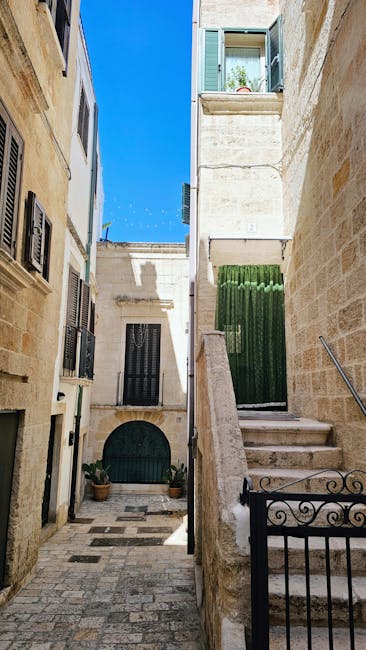
Bari Vecchia, Bari’s old town, is a maze of cobbled alleys, narrow passageways and sunlit squares. When people think of Puglia they often picture the coastline, Alberobello’s trulli or the coves of Polignano a Mare, but Bari Vecchia alone deserves lingering: its museums, churches, crypts and small collections hold historical, artistic and everyday life treasures that many tourists never take the time to discover. This article is an invitation to lift the veil on those hidden gems — from Byzantine relics to little-known underground chambers, from artisan workshops to discreet wall frescoes and secret views over the Adriatic Sea.
Strolling from the Castello Svevo to the Basilica di San Nicola, crossing the Piazza Mercantile and slipping through the narrow lanes, you’ll find an exceptional concentration of religious and civil heritage packed into just a few blocks. Every door, cloister and oratory can hide a work or a fragment of history that tells the story of Bari past: trade between East and West, Norman and Swabian dominations, Byzantine influences and local scenes that have endured for centuries. Beyond the classic sites, there are less obvious spots — tiny local museums, private chapels, temporary exhibition rooms and house-museums — that reward careful exploration.
This article lays out an immersive route through these hidden treasures of Bari Vecchia. For each place you’ll find practical information: full address, opening hours, approximate entrance price in euros, a detailed description and local tips to make the most of your visit. The information aims to be useful and immersive: descriptions of atmosphere, the quality of light at different times of day, often-overlooked architectural details (mosaics, Romanesque capitals, barrel vaults, decorative friezes), plus culinary and logistical recommendations (best time to avoid crowds, how to access crypts, transport and parking).
Throughout the text you’ll also find image cues chosen to spark your imagination and help you picture each spot before you arrive. These visual markers (shown by tags like 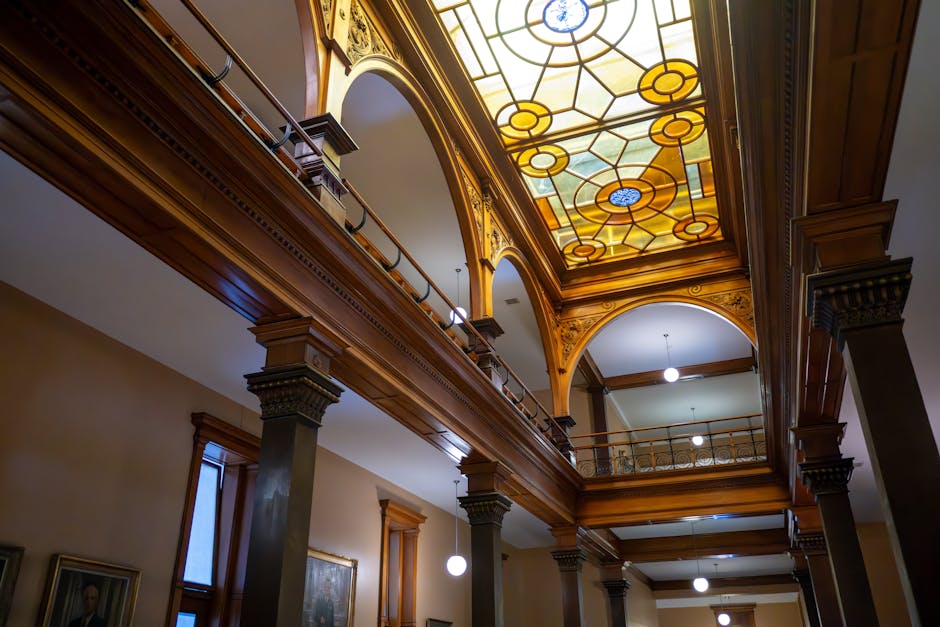 ) correspond to real scenes — the sunset over Castello Svevo, an interior view of the Basilica di San Nicola, or a typical Bari Vecchia lane with laundry hung out to dry — and can be looked up on image banks to round out your planning. Bring comfortable shoes: Bari Vecchia is best enjoyed on foot, slowly, with your head turned up toward carved lintels and pausing to listen to the stories whispered by the stones.
Castello Svevo di Bari — Fortress, museums and secret panoramas
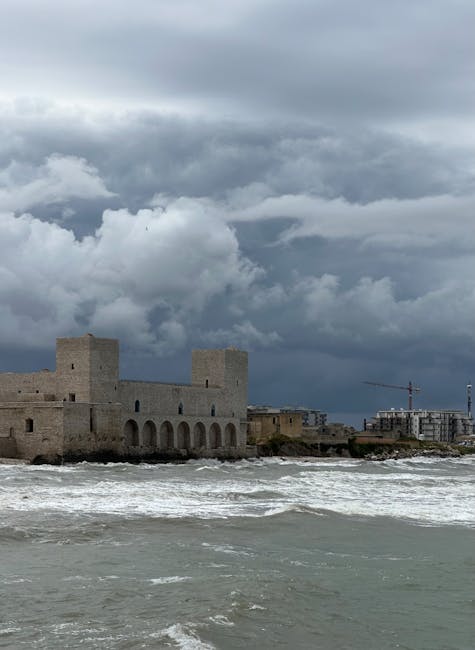
Castello Svevo di Bari is one of the landmark monuments framing the old town, but behind its imposing silhouette lie rooms, temporary exhibitions and passageways that hurried visitors often miss. Address: Largo Castello, 70122 Bari BA, Italy. The fortress, originally Norman and later expanded by Frederick II (hence the name “Svevo”), occupies a strategic position on the Adriatic shore and offers both a historical immersion and sweeping views toward the harbor.
Opening hours (indicative — check before visiting): Tuesday to Sunday, 09:00–19:00; closed Monday. Tickets (indicative): full price around €6.00; reduced around €3.00; free entry on certain Sundays of the month or for under-18s depending on cultural regulations. Prices may vary during temporary exhibitions. The castle includes several levels: keep, exhibition rooms, ramparts and a museum trail displaying medieval artefacts, reconstructions and panels explaining Bari’s maritime history.
What many don’t know is that Castello Svevo also hides lesser-known viewpoints — secondary terraces that provide perfect framing for coastal sunset photos, away from the crowd on the seafront promenade. Inside, look for reused carved stones and column bases, clues to the fortress’s different historical layers. Temporary exhibits often focus on local themes (underwater archaeology, maritime crafts, traditional costumes): they help explain Bari’s relationship with the sea across the centuries.
Practical tips: arrive early for soft morning light on the stone and to avoid tourist buses; bring a paper guide or an audio guide if available to catch historical nuances; for postcard-worthy photos, climb the port-side ramparts at sunset. Parking: several nearby lots (for example Parcheggio Stazione – Piazzale Luca Madonnina del Mare) but expect to walk — the old town is pedestrian. Accessibility: parts of the castle are accessible, but some medieval areas retain steps; check with reception for adapted routes.
Basilica di San Nicola — Byzantine crypts and venerated relics
The Basilica di San Nicola is the spiritual heart of Bari Vecchia. Address: Largo San Nicola, 70122 Bari BA, Italy. Built between 1087 and 1197 to house the relics of Saint Nicholas (brought from Myra), the church is a masterpiece of Romanesque architecture blending Latin and Byzantine influences, symbolizing Bari’s role as a maritime crossroads between East and West.
Opening hours (indicative): generally open daily, with visiting hours often around 07:00–12:30 and 15:30–19:00; the basilica may close temporarily for liturgical services. Entrance: access to the nave is free; guided visits to the crypt and some areas may request a small voluntary donation or a ticket (around €2.00–€5.00 for the crypt depending on the service). Rules: modest dress is requested (shoulders and knees covered); photography is usually allowed without flash.
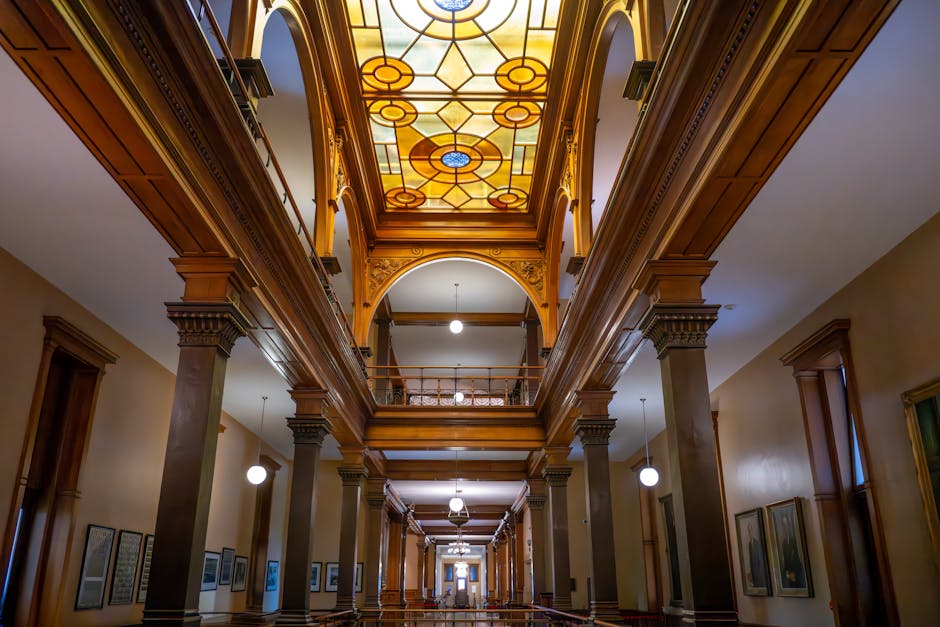
The basilica reveals rare interior treasures: finely carved capitals, a marble high altar, medieval wall frescoes and the crypt where Saint Nicholas’s relics rest. The crypt has a unique atmosphere — dim light, the scent of wax, the hum of candles — that carries visitors away from modern bustle. Pilgrims, especially around the feast day (December 6), flock to venerate the relics, but out of season you may observe private devotions, ex-votos and manuscripts on display.
Tips: visit the basilica at dawn to take advantage of interior light that highlights gilding and vaults; if you want to attend mass or witness the translation of the relics, check the liturgical calendar in advance; for a deeper experience, hire a local guide specializing in relic history and Romano-Byzantine architecture. Access: the basilica is a few minutes’ walk from Castello Svevo; summers can be busy, so arrive early.
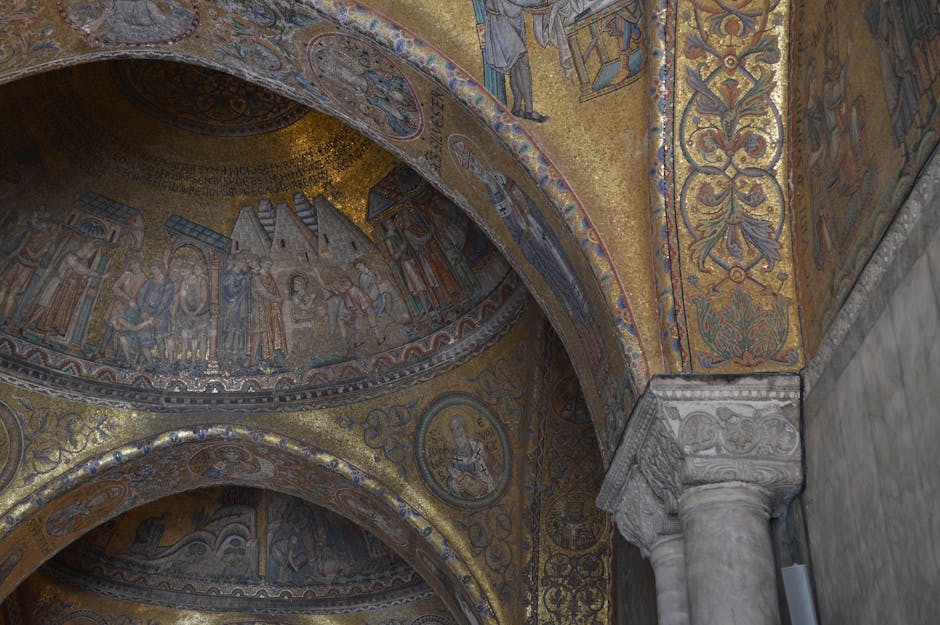
Cattedrale di San Sabino (Bari Cathedral) — Romanesque vaults and hidden treasures
Cattedrale di San Sabino, often called Bari Cathedral, is another Romanesque gem in the heart of Bari Vecchia. Address: Piazza dell’Odegitria, 70122 Bari BA, Italy. Mostly built in the 12th century, it bears marks of successive repairs and medieval additions after earthquakes, making it an architectural palimpsest.
Opening hours (indicative): open most days with morning and late afternoon slots (for example 08:30–12:30 and 16:00–19:00); times vary with services. Entrance: usually free to the nave; some areas (treasury, sacristy) may request a small contribution (around €2.00–€4.00). The cathedral preserves carved Romanesque capitals, a crypt and occasional temporary exhibitions of liturgical sculpture.
Among the hidden treasures, look for sarcophagi repurposed as altar elements, fragments of mosaic discreetly set into side chapels and the historic organ that towers over the nave. The atmosphere shifts with the hour: low morning light illuminates the columns, while the evening silence emphasizes Gregorian chant sometimes sung at vespers.
Practical tips: for an in-depth visit, ask for access to the sacristy and the treasury; staff or local volunteers will often show manuscripts or liturgical objects on request. Photographers should use a wide-angle lens to capture the nave’s length and vaults; music lovers should enquire about organ concerts or local choirs, sometimes posted on the piazza’s noticeboard.
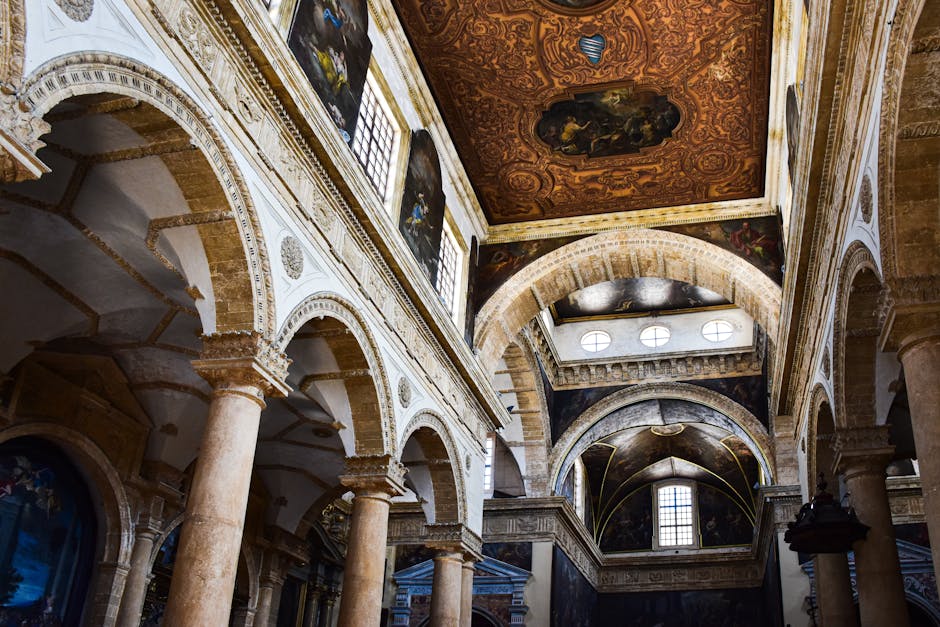
Oratori e piccoli musei — Private chapels and little-known collections
Bari Vecchia is packed with oratories and small museums that often go unnoticed. Scattered through the lanes, these spaces offer intimate collections: works from local schools, pieces of religious silverware, liturgical garments, ex-votos and restored frescoes. Notable examples include historical oratories like the Oratorio di San Benedetto (adjacent to Piazza Mercantile), the Oratorio di San Filippo Neri and small exhibition rooms in private palaces opened during cultural events.
Hours and access: these oratories and museums usually operate on short schedules (for example 09:30–12:30 / 16:30–19:00) and may be closed Sunday mornings after services. Entry is generally free or by donation (€1.00–€3.00); some guided visits organized by local associations charge €5.00–€10.00. Access is often managed by local parishes or heritage associations.
Immersive description: stepping into an oratory often feels like entering a private sanctuary where decoration is concentrated and narrative. You’ll see painted altarpieces, gilt frames, Latin inscriptions faded by time, votive lamps and polychrome wooden statues. These places tell Bari’s social history: confraternities of sailors, merchants’ guilds, devotions to saints who protected travelers and sea workers.
Tips: spot these places by watching façades — small plaques, discreet doors with carved knockers or tiny bells. Local volunteers are usually happy to open on request: approach politely, explain your interest and offer a small donation if no fee is listed. These visits are perfect for curious travelers who enjoy local stories and artisanal details (embroidery, gilding, old bindings).
Narrow streets and craftsmanship — Workshops, shops and house-museums
Beyond the official institutions, Bari Vecchia still lives by traditional trades and artisans’ workshops that keep old techniques alive: potters, cobblers, gilders of religious decorations, makers of glazed ceramics and costume tailors. These improvised micro-museums — sometimes just a room at the back of a shop — display tools, sketches, period pieces and photographic testimonies.
Concrete examples: a ceramist’s workshop on Via delle Orecchiette (a typical street where orecchiette are still handmade), a master shoemaker’s shop near Piazza Mercantile, and small art galleries showing photographs of everyday life in Bari Vecchia. These places may not have fixed opening hours; they often operate in the mornings and late afternoons, and it’s common for the artisan to take a siesta break.
Tips: greet people in Italian (« Buongiorno ») and ask if you can look around — many will open their workshop for a demonstration. For purchases, prefer cash: some workshops don’t accept cards. If you’re a photographer, always ask permission before taking pictures; in exchange, offer a small print or a copy of a photo — a gesture often appreciated.
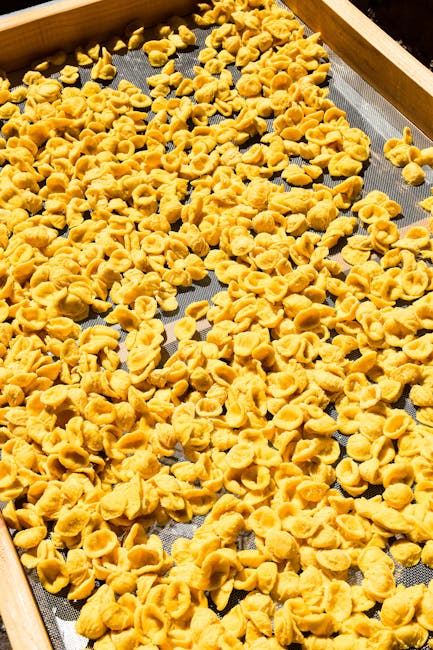
Crypts and undergrounds — The hidden layers beneath Bari Vecchia
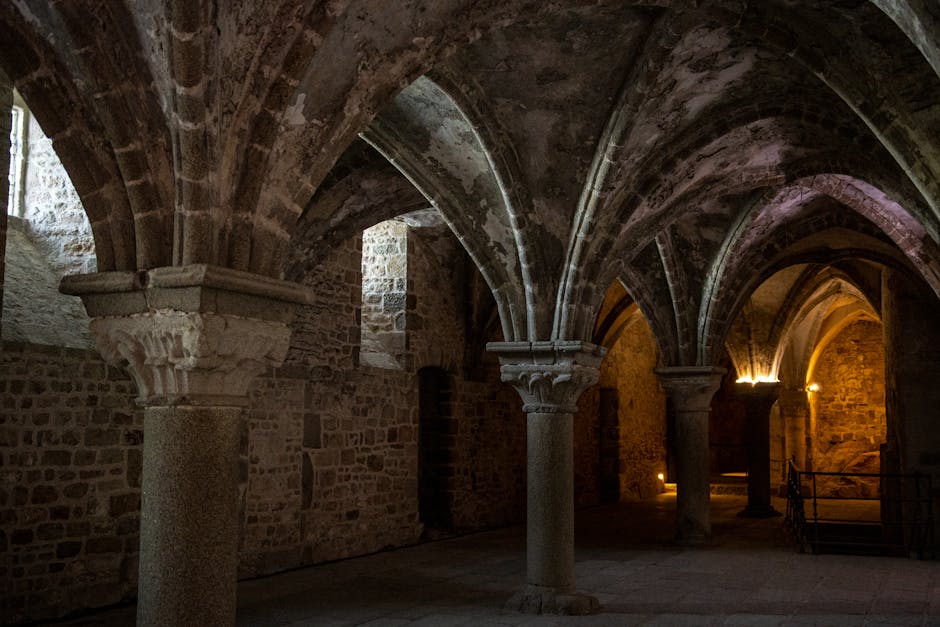
Beneath the paving stones of Bari Vecchia lie medieval crypts and older remains that reveal crucial information about the site’s occupation, drainage systems and sometimes old family burial plots. The crypts associated with the major churches (notably the Basilica di San Nicola and Cattedrale di San Sabino) are the most accessible, but specialist tours can take you to lesser-known cavities run by local archaeological associations.
Hours and prices: crypt visits are often limited and supervised. The Basilica di San Nicola’s crypt can be visited during church hours (suggested donation €2.00–€5.00), while guided archaeological tours to private underground sites generally cost between €10.00 and €20.00 per person, depending on duration and location. Bookings are often made through local tourist offices or by contacting cultural associations.
Immersive description: the cool, damp air, the smell of stone and earth, and the pool of light from a torch or old bulbs create an almost sacred atmosphere. Niches may hold sarcophagi, carved inscriptions, pottery shards and remnants of ancient foundations. These tours often require respectful behavior and sometimes limited mobility (narrow stairs).
Tips: wear non-slip shoes and a light jacket — crypts stay cool even in summer. If you’re claustrophobic, talk to the guide to avoid highly confined sections; several routes offer more open variants. Also check if it’s possible to combine a crypt visit with a tasting or hands-on workshop (e.g. traditional bread or a local cooking demonstration), a formula some associations offer to enrich the experience.
Practical tips for visiting Bari Vecchia — Find your way and make the most of it
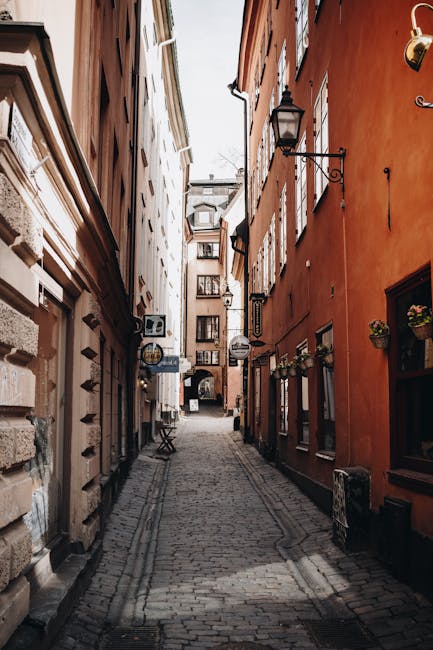
Walking around Bari Vecchia is a pleasure, but a little preparation will enhance the experience. Here are concrete, practical recommendations to get the most from your visit:
- Wear the right shoes: cobbled streets and stairs are the norm; choose comfortable shoes with protective soles.
- Best time to visit: early morning (08:00–10:00) or late afternoon (17:00–19:30) for the light and to avoid summer heat and crowds.
- Language: most locals speak Italian; English is common at tourist sites, but learning a few Italian phrases (« per favore », « grazie », « dove è… ») will open doors and win smiles.
- Tickets and bookings: for temporary exhibitions at Castello Svevo or some crypt guided tours, consider booking online or at the Bari tourist office, especially in high season.
- Local food: try fresh orecchiette, panzerotti and seafood at the fish market near the port. Recommended area for a quick bite: Porto Vecchio / Via Arco Basso — most small trattorie don’t have websites; fresh pasta dishes from around €6.00–€10.00.
- Safety and precautions: Bari is generally safe, but watch your belongings in tourist areas; avoid leaving valuables visible in your car.
- Transport: the old town is mainly pedestrian; the main train station « Bari Centrale » (Piazza Aldo Moro, 70121 Bari BA) is a 15–20 minute walk or a 5-minute taxi ride; city buses serve the main entrances to the neighborhood.
Suggested half-day itinerary — Immersive, well-paced route
If you only have half a day, here’s a route designed to mix major monuments and hidden treasures, with timing and tips:
- 08:30 — Start at Castello Svevo (Largo Castello, 70122 Bari BA). Wander the ramparts, take photos of the port and, if possible, visit the interior exhibition (about 1 hour).
- 09:45 — Head to Piazza Mercantile and the Oratorio di San Benedetto: soak up the local energy, study façades and look for little chapels (30–45 minutes).
- 10:30 — Basilica di San Nicola (Largo San Nicola, 70122 Bari): visit the nave, the crypt and the treasury if open (1 hour).
- 11:45 — Coffee break at a local trattoria: try a portion of orecchiette (approx. €6.00–€10.00) with an espresso.
- 12:15 — Cattedrale di San Sabino (Piazza dell’Odegitria) then explore lanes, workshops and small shops until 13:30.
This balanced route allows you to grasp the history, spirituality and daily life of Bari Vecchia without rushing. If you have more time, add a guided visit to a private crypt or spend an hour discovering artisan workshops.
Conclusion — Why Bari Vecchia deserves careful exploration
Bari Vecchia is far more than a collection of famous monuments: it’s a living fabric where every stone, door and chapel tells a story. The hidden treasures — silent crypts, private oratories, artisans’ workshops and small museum collections — offer an intimate, deeper view of the city. By stepping off the usual tourist routes and taking time to listen to locals, you’ll discover the Bari of trades, popular devotions, maritime exchanges and culinary traditions that shape local identity.
For the curious traveler, Bari Vecchia delivers a full sensory experience: the clatter of pans in a trattoria, the smell of salt near the port, golden light making altars glint, the rhythmic sounds of machines in a tiny workshop. This blend of everyday life and historical layers creates a rare, precious immersion. Practically, a successful visit depends on preparation (check updated hours and prices), respect for the sites (appropriate dress in churches, discretion in crypts) and openness to encounters — often the best stories come from a local willing to share a memory or legend.
Finally, keep in mind that practical details (hours, prices, special openings) change: before you travel, consult the official sites of Castello Svevo, Basilica di San Nicola, Cattedrale di San Sabino and the Bari tourist office to confirm specifics. If you’d like, I can also prepare a printable itinerary sheet, a contact list (phone numbers for museums and official links) or a curated list of exact places to eat in Bari Vecchia. The old town awaits, ready to reveal its treasures to anyone who takes the time to look.