





Introduction: Mysteries and Treasures of the Basilica of San Nicola in Bari
The Basilica of San Nicola, tucked in the heart of Bari, is one of southern Italy’s most venerated sanctuaries and a cultural crossroads between East and West. Built between 1087 and 1197 to house the relics of Saint Nicholas of Myra, it draws pilgrims, historians, architects and curious travelers keen to explore a place where faith, Romanesque art and age-old legends mingle. Step past the basilica’s austere façade and you enter a space where every stone has a story: the Crusades, Byzantine maritime routes, trade with the East and long-running tensions between secular and church powers. The atmosphere here is distinct — solemn but warm, contemplative yet open to questions and discovery.
My aim in this post is to give you an immersive, practical read: first a historical and architectural deep dive, then a detailed look at the relics, the treasure and liturgical objects, followed by a full visitor’s guide with addresses, opening times, prices and local tips. Finally, I’ll suggest routes and activities around the basilica so you can stretch your Bari experience — food, strolls along the Lungomare, castles and local traditions. Together, this will help you grasp the site’s heritage value and plan a visit tailored to whether you’re seeking spiritual reflection, cultural insight or a straightforward tourist experience.
The Basilica of San Nicola doesn’t just display a reliquary; it testifies to a political and social role that shaped Bari. Sitting a stone’s throw from the old harbour, it became a hub for sailors and merchants: the city was a gateway to the Italian peninsula and a connection point with the Byzantine Empire. Pilgrimages to Saint Nicholas’s tomb influenced the city’s layout, the founding of brotherhoods, its rich iconography and the production of sacred objects. Even today, during liturgical feasts and certain processions, you can feel the living continuity of that tradition.
History and Architecture: Apulian Romanesque Meets Byzantine Influences
The story of the Basilica di San Nicola is inseparable from the arrival of Saint Nicholas’s relics in Bari in 1087. A group of Bari merchants and sailors traveled to Myra (modern-day Turkey) to bring the saint’s remains home, fleeing political instability and seeking a permanent refuge for the relics. The current basilica was built from the late 11th century on a traditional basilica plan, blending Apulian Romanesque elements with Byzantine motifs, a direct result of Bari’s exchanges with the eastern Mediterranean.
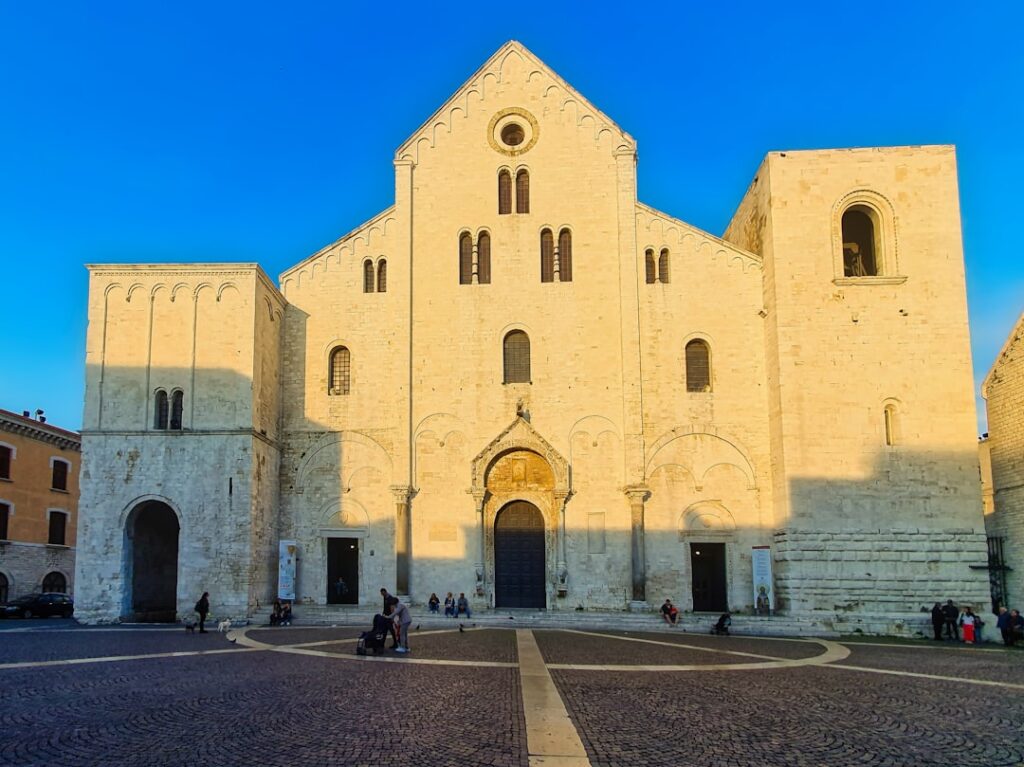
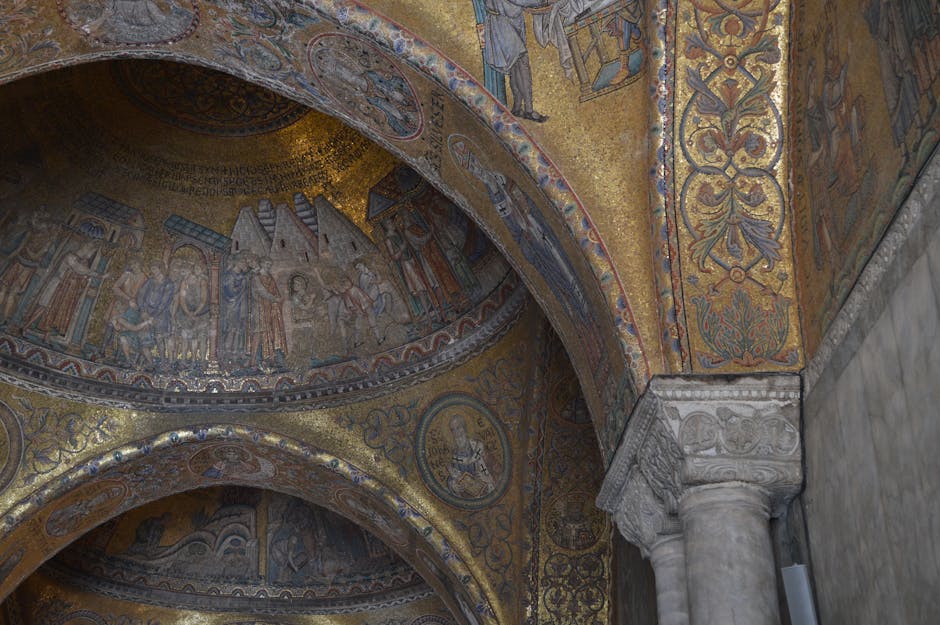
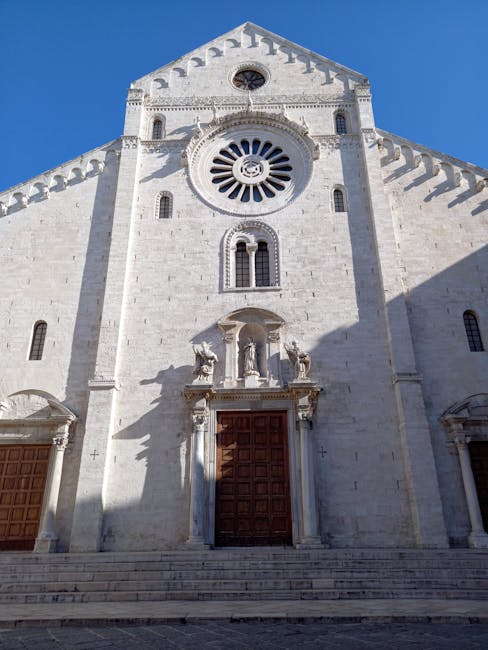
Architecturally, the basilica presents a restrained façade pierced by a large porch and a massive bell tower that serves as a visible landmark from the seafront. Inside, a central nave is flanked by aisles and a transept, culminating in a solemn apse. The interior columns and capitals bear carved decorations combining biblical scenes, vegetal motifs and animal figures, sometimes inspired by the East. The high altar and ciborium, along with the rich wall iconography, reflect medieval sacred art while also showing later stylistic additions and restorations.
Architectural highlights to look for:
- The bell tower (Campanile): dominant and distinctive, it’s a hallmark of Bari’s skyline. Address: Piazza San Nicola, 6, 70122 Bari BA, Italy.
- The porch and façade: austere but emblematic of Apulian Romanesque, they create an initial impression of solemnity that contrasts with the lively Piazza San Nicola.
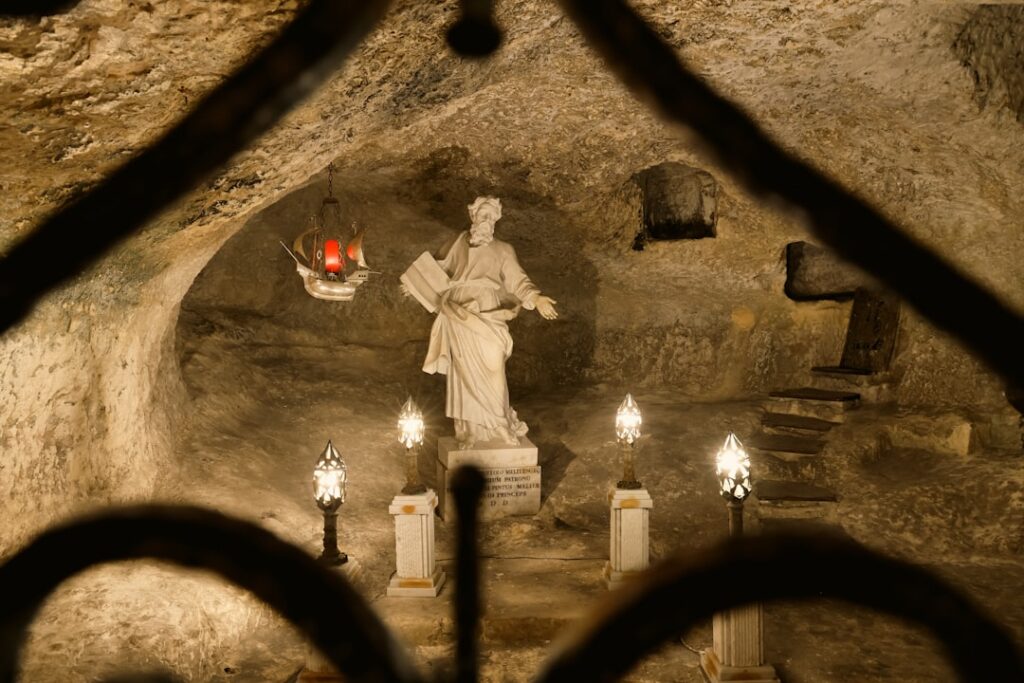
- The crypt: the most intimate space where Saint Nicholas’s relics rest; a place for quiet reflection often bathed in dim light and a sense of religious mystery.
Architects and art lovers will also notice the successive restorations and changes: reconstructions after earthquakes, Baroque additions in some chapels, and 20th-century conservation work. These multiple historical layers turn the basilica into an open book on the evolution of liturgical forms and aesthetics in Puglia.
The Relics, the Treasure and Liturgical Objects: What the Basilica Hides
At the heart of the Basilica of San Nicola’s mystery are the relics of Saint Nicholas, kept in a medieval sarcophagus and visible in the crypt. The presence of these relics shaped Bari’s spiritual identity and made the basilica a major pilgrimage destination. But beyond the tomb, the basilica houses a considerable treasure made up of liturgical objects, goldsmithing, liturgical textiles, illuminated manuscripts and reliquaries. This collection — often called the « Tesoro della Basilica di San Nicola » — reflects donations from the faithful, brotherhoods and local authorities across centuries.
Notable pieces include:
- Saint Nicholas’s reliquary: the stone sarcophagus and precious chests protecting the bones, objects of veneration and focal points for prayers seeking intercession and miracles.
- Medieval and Baroque goldsmith works: chalices, monstrances and processional crosses often decorated with enamel, semi-precious stones and gold leaf.
- Manuscripts and ancient codices: illuminated liturgical books, antiphonaries and administrative documents related to the sanctuary’s management.
Prices and access: entry to the basilica is usually free, including the main nave and the crypt where the relics lie. However, some temporary exhibitions or guided access to the treasure may require a fee. Practical information (subject to seasonal changes):
- Address: Basilica di San Nicola, Piazza San Nicola, 6, 70122 Bari BA, Italy.
- Basilica entry (nave and crypt): free.
- Access to the Museo/Tesoro della Basilica: typically between €3 and €6 to enter the treasure rooms (check on site or on the official website).
- Guided tours: often available in Italian and sometimes in English; indicative price €5–€12 depending on duration and guide.
Tip: for a full experience, book (if possible) a guided tour that includes access to the treasure and explanations of the codices and liturgical objects. During solemn services (vigils and special masses) the spiritual intensity alters the visitor experience; in those moments respect the liturgical rules and the areas reserved for worshippers.
Visiting the Basilica: Opening Times, Rules, Transport and Practical Tips
Planning a visit to the Basilica di San Nicola takes a bit of attention so you can make the most of the site without being surprised by closures or ceremonies. Here’s a practical guide with typical opening hours, indicative prices, rules of conduct and local tips to make your visit smooth and memorable.
Typical hours (check before you go, as times may vary with seasons and liturgical celebrations):
- Daily opening: generally 7:00 – 12:30 and 16:00 – 19:30. On Sundays hours are similar but with more services in the morning.
- Masses and services: morning mass often around 8:00–9:00, main Sunday mass around 11:00; vespers and other celebrations in the late afternoon according to the liturgical calendar.
- Access to the treasure/museum: typically 9:00 – 12:30 and 16:00 – 18:30; indicative fee €3 – €6.
Addresses and contacts:
- Basilica di San Nicola — Piazza San Nicola, 6, 70122 Bari BA, Italy. Phone: +39 080 523 0000 (indicative number: check the official site for current contact details).
- Bari Tourist Office — Piazza Ferrarese, 1, 70122 Bari BA, Italy (useful for practical info and cross-ticketing).
Rules and etiquette:
- Dress code: modest clothing required — shoulders and knees should be covered, especially if attending a religious service.
- Photography: allowed in most areas but sometimes restricted in the crypt or near items from the treasure. Observe signs and staff requests.
- Silence and respect: the basilica is an active place of worship — keep noise to a minimum and avoid disruptive behavior.
- Accessibility: the ancient building has steps and low areas; access for people with reduced mobility may be limited in parts (ask at the entrance).
Transport and how to get there:
- From Bari Centrale station: take a taxi (around €5–8 depending on traffic) or walk about 20–25 minutes (approx. 1.6 km) via Via Sparano and through the old town to Piazza San Nicola.
- Local bus: several lines serve Bari Vecchia and the Porto/Pineta area; consult Azienda Mobilità Bari (AMTAB) for routes and timetables.
- By bike or on foot: the stroll from Lungomare Nazario Sauro is very pleasant; there are bike parking spots near the old town.
Local practical tips:
- Arrive early in the morning to avoid tourist crowds and enjoy the soft light in the crypt.
- If you want to attend a mass or a procession, check the calendar of local feasts (Saint Nicholas’s feast on December 6 is a major event with large crowds).
- Carry some coins (€) for small offerings, local guides and purchases in the basilica shop.
Around the Basilica: Flavors, Walks and Must-See Spots in Bari
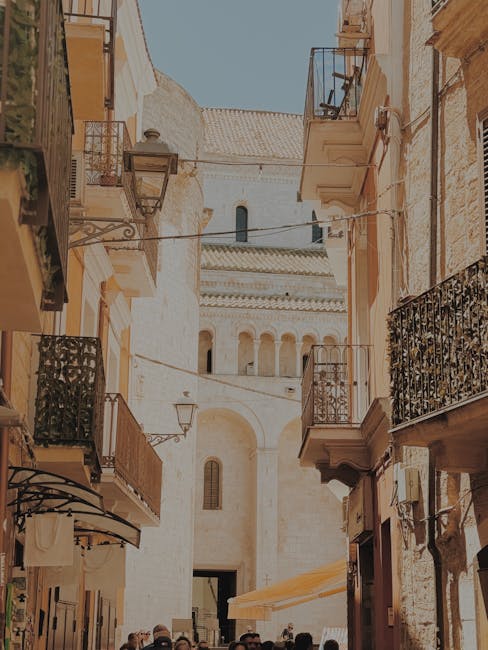
The Basilica of San Nicola sits in a neighborhood rich in history and urban life: Bari Vecchia (the old town) is full of narrow streets, trattorie, small workshops and traditional homes where the Mediterranean way of life is palpable. Exploring the area after visiting the basilica is the perfect way to round out your spiritual visit with cultural and culinary immersion.
Must-see spots and addresses:
- Castello Svevo di Bari — Largo Castello Svevo, 1, 70122 Bari BA, Italy. Hours: generally 9:00 – 19:00 (closed on some holidays); price: around €6 – €10 depending on exhibitions. This fortified castle, of Norman origin and remodeled by Frederick II, hosts historical paths and temporary exhibitions.
- Teatro Petruzzelli — Piazza Giuseppe Verdi, 13, 70121 Bari BA, Italy. Box office hours vary by program; ticket prices range from €10 to €70 depending on seating. A must for an opera or concert evening.
- Lungomare Nazario Sauro — the iconic seafront promenade, ideal for a sunset walk after your visit; open 24/7.
Food and where to eat:
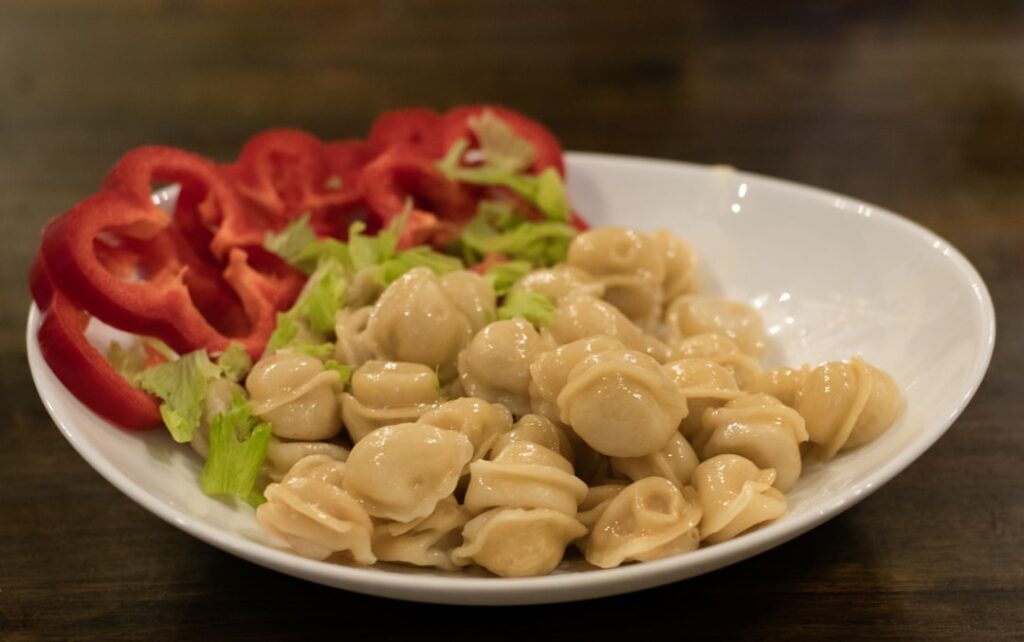
- Trattoria La Uascezze — Via Roberto da Bari, 9, 70122 Bari BA, Italy. Local specialties: orecchiette with turnip tops (orecchiette alle cime di rapa), polpo alla pignata. Average prices: €15 – €30 per dish.
- Panificio Fiore — Via Argiro, 82, 70122 Bari BA, Italy. For focacce and traditional bakery treats; prices €2 – €6 depending on the item.
- Mercato del Pesce (Old Port) — on the harbor, great for buying fresh fish or enjoying fried seafood on the spot; prices vary and are often very reasonable.
Local experiences:
- Take part in an evening prayer service or attend the annual procession of Saint Nicholas (around December 6) to witness popular devotion and traditional rites.
- Get lost in Bari Vecchia’s alleys at dawn when local women are making pasta and the town fills with the scents of sourdough and sun-dried tomatoes.
- Hop on a small boat for coastal excursions along the Apulian shore or to sea caves: local vendors at the port offer tours that depart nearby.
Conclusion: Why the Basilica of San Nicola Is an Essential Stop in Bari
The Basilica di San Nicola is more than a religious monument: it’s a historical crossroads where faith, art and collective memory intersect. For the visitor, it offers a multifaceted experience: Romanesque architecture suffused with Byzantine echoes, a material treasure of goldsmith work and manuscripts, and a living spiritual space thanks to Saint Nicholas’s relics. The combination of a rich urban context — Bari Vecchia, the port, the castle — and a generous food culture makes visiting the basilica easy to fold into a broader, deeply charming itinerary.
Visiting the basilica places you at the junction of Mediterranean sea routes and human journeys that have shaped the city since the 11th century. It’s also an invitation to pause: to listen, to contemplate and to be touched by centuries of religious and social history. Whether you’re a pilgrim seeking quiet, a medieval art fan, a photographer chasing dramatic light, or a food-loving traveler eager to discover an authentic town, the Basilica of San Nicola will speak to you on many levels.
Finally, to prepare your visit: always double-check official opening times and any temporary exhibitions, respect the rites and worship schedules, and take time to explore the surroundings — markets, trattorie and the seafront — to complete a day rich in discoveries. The basilica is an invitation to history, prayer, contemplation and conviviality. As you leave, hold in your mind the dimly lit crypt, the glittering reliquary and the bell tower set against Bari’s sky — powerful memories from a place where the sacred and the everyday meet.