




Introduction — From Cathedral to Galleries: A Practical Guide to Sacred Art in Bari
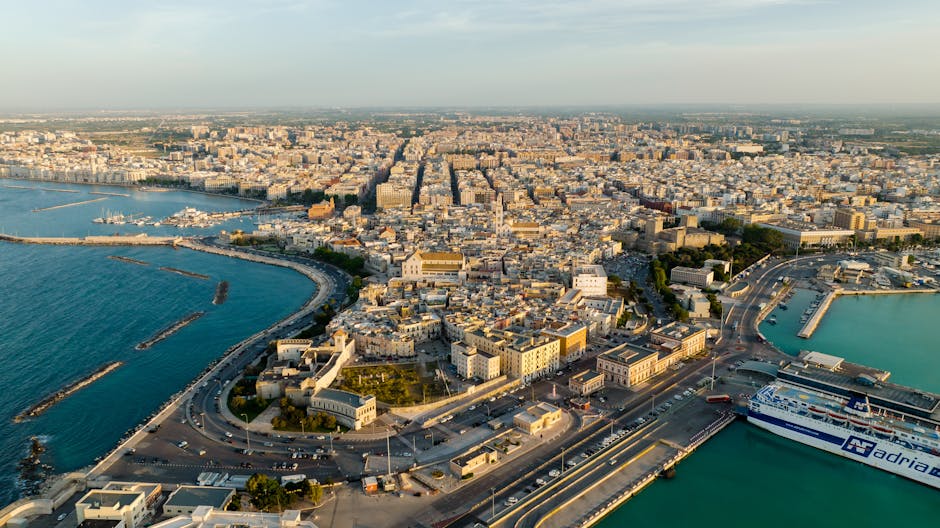
Bari, a lively port on the Adriatic coast of Puglia, is often known for its maze of medieval lanes, the old quarter called Bari Vecchia, and the fervent devotion locals have for their patron saints. But beyond the white facades, fish markets and family-run trattorie, Bari is an open-air museum where sacred art converses with history, popular devotion and contemporary creativity. This guide offers a comprehensive, practical tour of sacred art in Bari: from historic cathedrals and basilicas to crypts and treasuries, and from pinacothecas to small contemporary galleries that rework the idea of the sacred today.
Religious art in Bari takes many forms: Romanesque and Norman architecture, mosaics, medieval sculpture, restored frescoes, gilded reliquaries and liturgical objects. These works aren’t locked away behind museum glass — many still take part in liturgical and civic life: processions, masses, pilgrimages and local devotions give these pieces a living context. For visitors, that means every church, chapel and museum should be approached both as an art site and as a place of worship — so show respect, check opening times and expect occasional small entrance fees.
This guide is practical and detailed: exact addresses, usual opening hours, approximate prices in euros, immersive descriptions of key works and local tips to make the most of your visit (best times, behaviour rules, photography, transport and itinerary combos). The information gathered here covers the main reference points for sacred art in Bari: the Basilica di San Nicola (the pilgrimage center), the Cattedrale di San Sabino (the historic cathedral), the Museo Diocesano (diocesan treasures), the Castello Svevo and the pinacothecas and galleries where liturgical items now sit alongside broader artworks.
You’ll also find lesser-known spots — small chapels, oratories, crypts reclaimed by light — offering intimate, quieter moments. Finally, if you want to extend the discovery in a contemporary vein, the guide covers private galleries and local artistic initiatives that question today’s sacred: installations, contemporary religious photography and community projects. Whether you’re a pilgrim, art lover, art history student or just curious, this guide will give you the keys to a full, respectful and rewarding visit to Bari’s sacred art.
The Basilica and the Cathedral: Architecture, History and Practical Visit Info
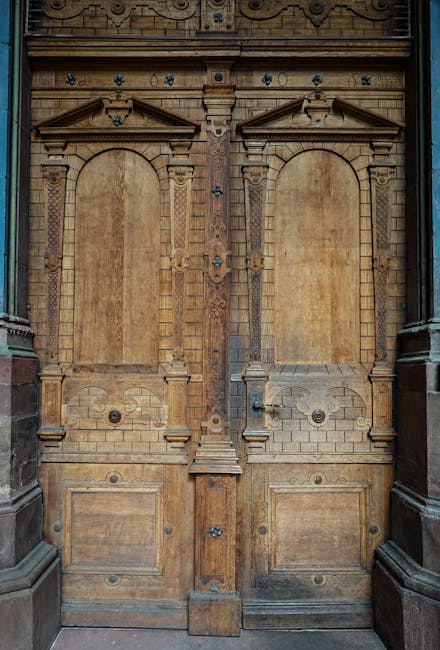
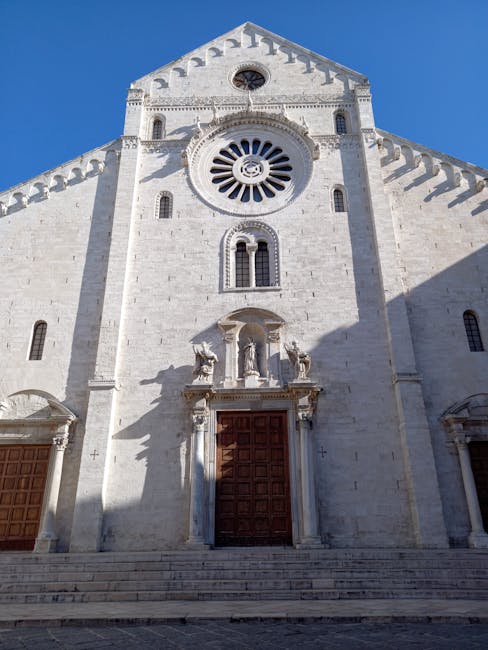
The Basilica di San Nicola (Piazza San Nicola, 13, 70122 Bari BA, Italy) is a must-see when exploring sacred art in Bari. Built from 1087 through the 12th century to house the relics of Saint Nicholas, the basilica blends Byzantine and Romanesque influences. The massive light-colored facade, the pointed arches of the portal and the imposing elevation deliver an immediate visual impact; inside, the nave, choir and treasury tell the story of a European pilgrimage site. Address: Piazza San Nicola, 13, 70122 Bari BA, Italy. Hours (subject to seasonal change): open daily 7:00–20:00; Sunday masses at 10:00 and 11:30. Entry to the basilica: free; treasury and crypt visits: generally €3.00–€5.00.
Practical tips: arrive early to avoid pilgrimage groups and to enjoy the light in the crypts. Keep quiet in the choir and reliquary areas. The crypt, darker and more intimate, houses silver reliquaries and sculpted elements; guided paid tours may be available (check at the basilica office). Photography: allowed in the nave but sometimes restricted for the treasury — check before you shoot.
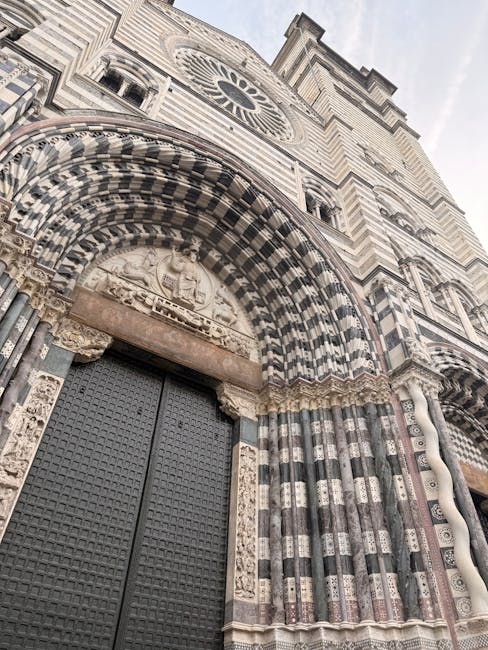
A short walk away is the Cattedrale di San Sabino (often referred to as « Cattedrale di Bari »), a Romanesque building dating to the 12th century, located in the historic quarter. Address: Piazza San Sabino, 1, 70122 Bari BA, Italy. Approximate hours: 8:00–12:30 and 16:00–19:00 (times can change with the liturgical calendar). Entry: free; guided tours and special events (organ concerts, archaeological tours): variable fees, often €3.00–€6.00.
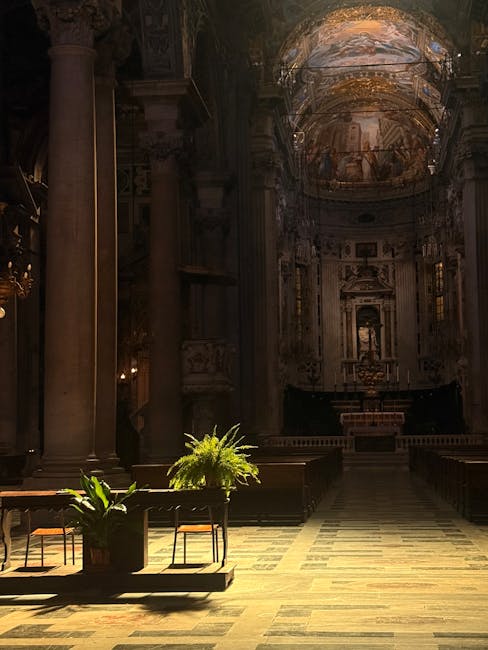
The cathedral stands out for its basilical plan, carved stone facade and sculpted capitals. Inside, look for mosaics, Marian iconography and ancient baptisteries. Lighting reveals layers of history: Baroque restorations sit alongside medieval features. Tips: during religious festivals (Festa di San Nicola, May 7–9) the cathedral is especially busy; if you’re interested in photography or studying carved details, visit outside peak season.
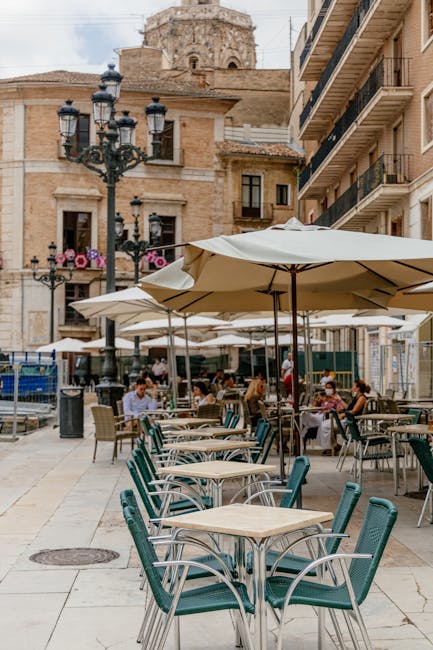
To make the most of your time, combine visits to the basilica and cathedral with a break in Piazza del Ferrarese or Piazza Mercantile nearby, where cafés and bookshops provide a pleasant setting to reflect on religious art.
Crypts, Treasuries and the Museo Diocesano: Liturgical Objects and Relics
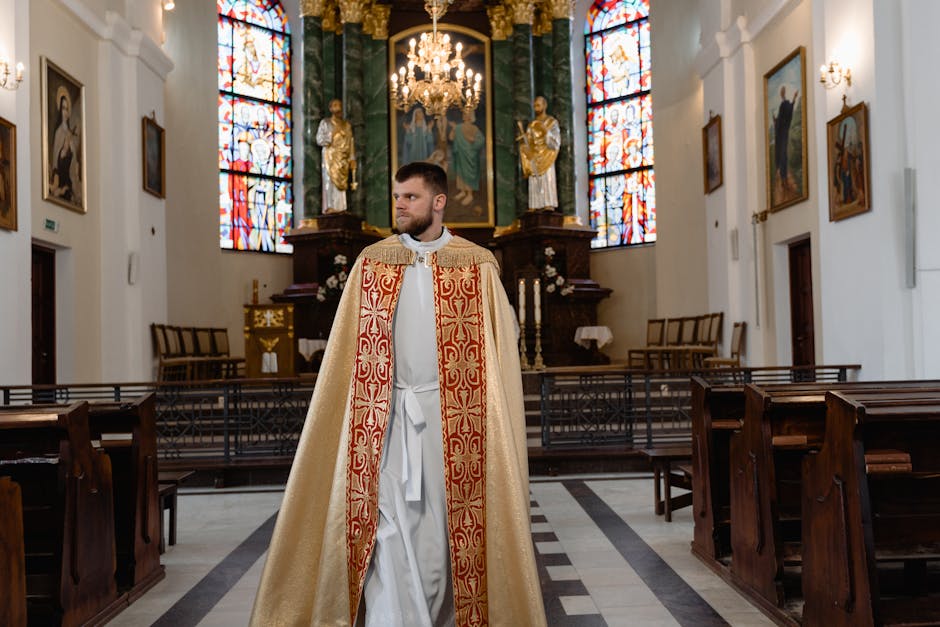
The Museo Diocesano di Bari (Museo Diocesano Basilica San Nicola / Museo Diocesano — common address: Piazza dell’Odegitria, 9, 70122 Bari BA, Italy) gathers a coherent collection of liturgical objects, illuminated manuscripts, chasubles and goldsmith treasures taken from local churches. Indicative hours: 9:00–13:00 and 16:00–19:00 (sometimes closed Monday morning); entrance fee: €5.00–€7.00. The museum often provides audio guides in Italian/English and explanatory panels — helpful for understanding how objects functioned in liturgy.
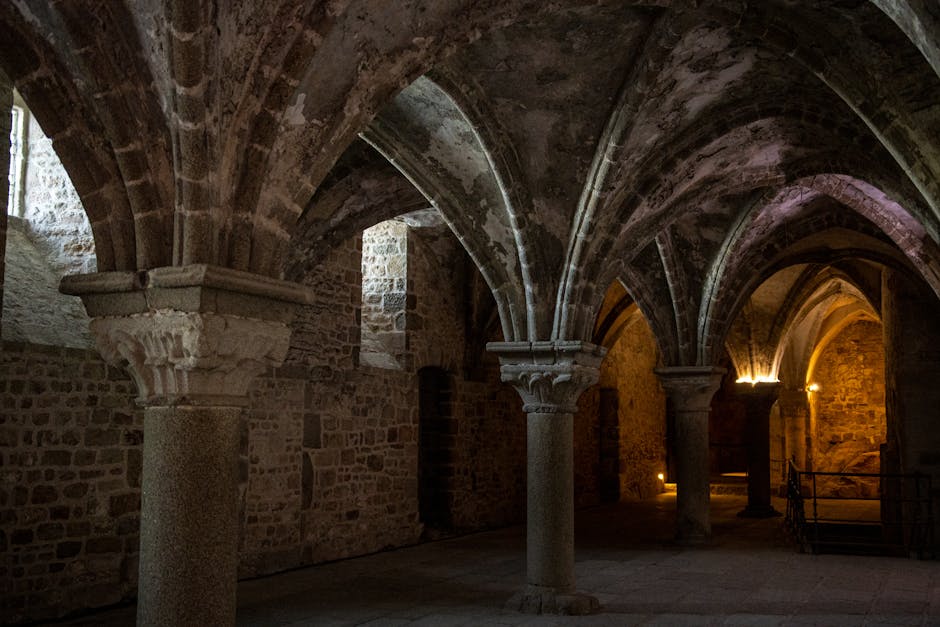
A visit to the crypt and treasury of the Basilica di San Nicola deserves special attention. The treasury — silver reliquaries, reliquary cases and embroidered chasubles — exemplifies monumental art made for medieval sanctuaries. These time-worn pieces reveal the skill of local workshops and a mix of influences (Oriental, Byzantine and Romanesque). In the crypt, the mood shifts: dim light, low arches and the scent of wax turn the experience into a tactile, emotional one.
Visitor tips:
- Allow 1h30 to 2h for the Museo Diocesano and the crypt if you want to read the labels and listen to the audio guide.
- If you’re a researcher or student, request access to archives or the possibility of an in-depth guided visit in advance: curators may arrange appointments on request.
- Follow conservation rules: no flash, don’t touch the works, keep bags closed.
For lovers of sacred metalwork, take a short walk to the Castello Svevo (Via Castello, 70122 Bari BA, Italy): the castle sometimes hosts temporary exhibitions of sacred art and archaeological pieces related to the city’s ecclesiastical history. Castello Svevo hours: 9:00–20:00 in summer, 9:00–18:00 off-season; entrance fee: around €6.00 (discounts available).
Pinacothecas, Galleries and the Dialogue Between Sacred and Contemporary Art
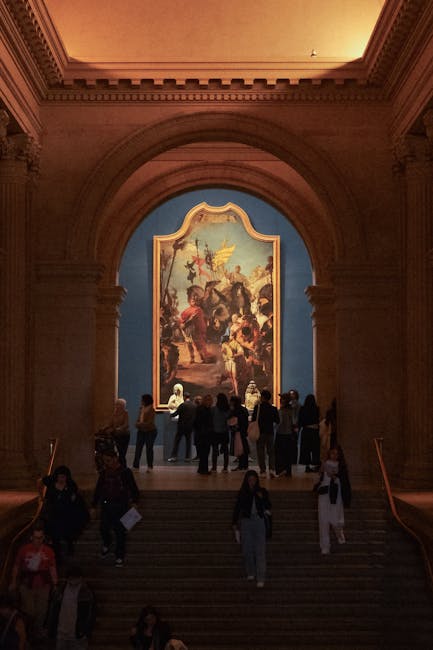
Bari isn’t just heir to a medieval past: the city hosts pinacothecas and galleries where historic religious works sit alongside contemporary creations that question faith and the sacred. The Pinacoteca Metropolitana di Bari (often housed in municipal spaces, e.g. Palazzo della Provincia — Largo Adua, 1, 70121 Bari BA, Italy) displays religious paintings from the 17th–19th centuries: altarpieces, Pietà, Madonna and Child images and portraits of prelates. Typical hours: 10:00–18:00 (closed Monday); admission: €4.00–€8.00 depending on the exhibition.
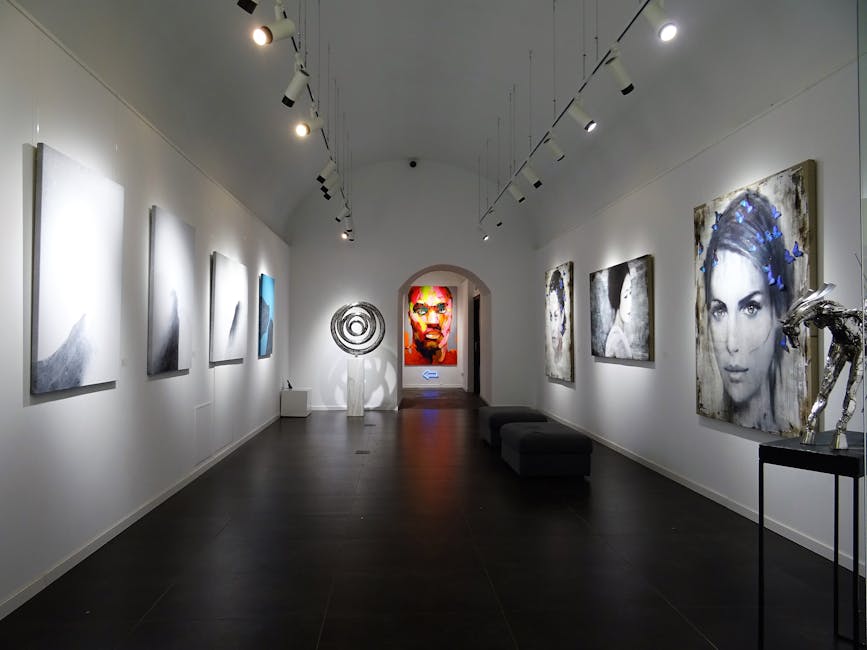
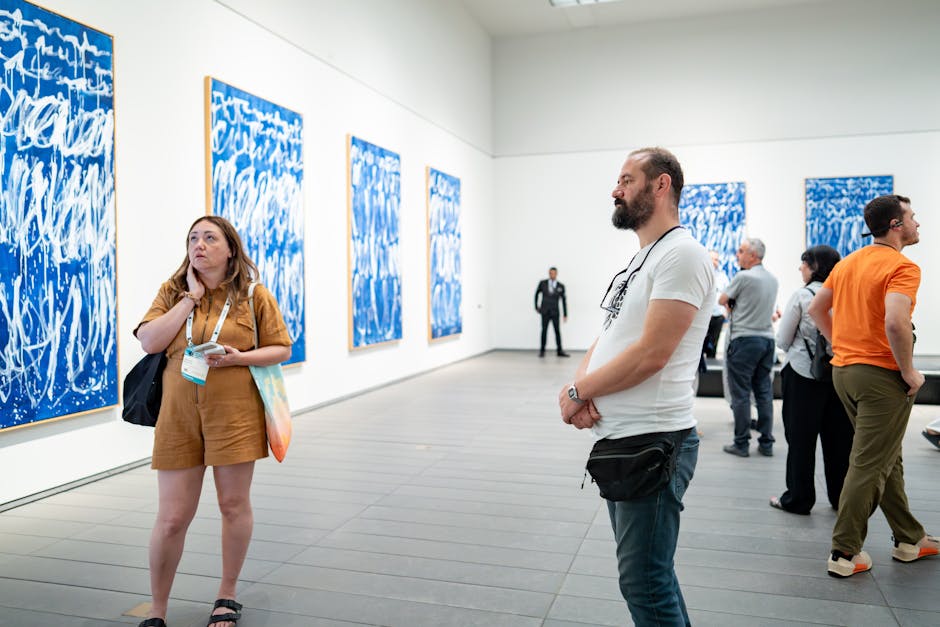
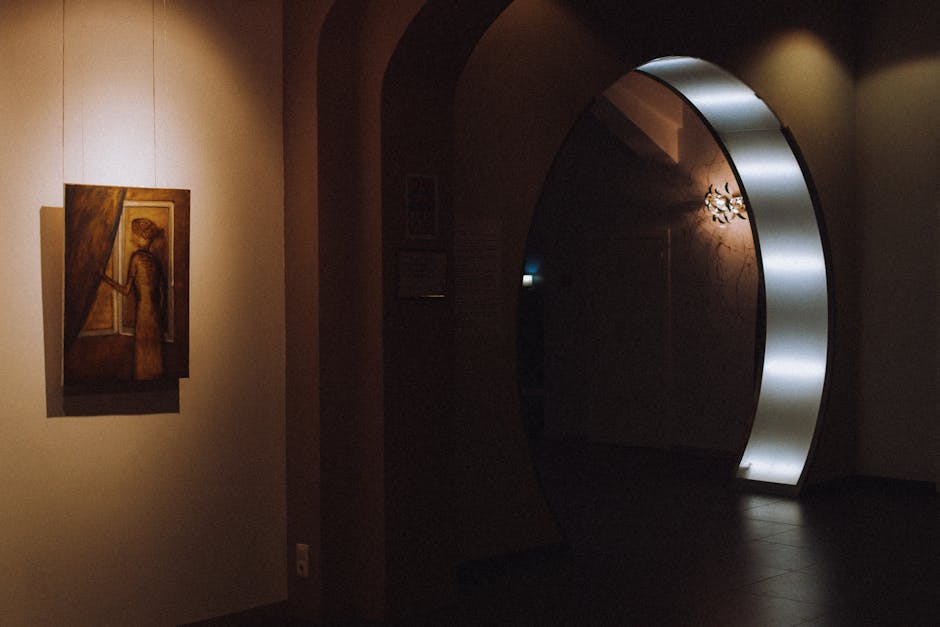
Private galleries and Bari’s contemporary art studios (for example spaces like MAM – Museo dell’Arte Metropolitana di Bari or artist residencies around Via Sparano/Quartiere Murat) regularly stage shows where religious themes are revisited. Contemporary artists explore the sacred through abstract painting, video, installation and performance. These venues often have variable hours: check official websites or social pages for openings and vernissages (admission often free or €3.00–€5.00 for special events).
Tips for combining heritage and contemporary art:
- Plan mornings for basilicas and afternoons for the pinacotheca and galleries: the light changes and so does your reading of the works.
- Look for temporary shows at Castello Svevo and in art centers (local displays and the tourist office usually list them).
- Take advantage of vernissages (often late afternoon) to meet artists and hear curators speak — a lively way to approach contemporary takes on the sacred.
Many small chapels in Bari Vecchia host recently restored frescoes; these conservation efforts are often explained to the public with information panels. For photographers and art historians, the juxtaposition of old altarpieces and modern installations on the same route gives a dynamic view of the sacred: permanent, yet constantly reinterpreted.
Practical Tips, Recommended Itineraries and Conduct Rules
Visiting sacred art in Bari requires as much preparation as sensitivity. Here are essential practical details to organize your days, avoid mistakes and make the most of your discovery.
Hours and seasons: Most churches open early (7:00–8:00) and close in the early evening (18:00–20:00). Museums keep steadier hours (9:00/10:00–17:00/19:00) but sometimes close on Mondays. During religious festivals (Festa di San Nicola, Easter, Corpus Christi), expect schedule changes and large crowds. Fees: main entries (basilica and cathedral) are free; treasuries and museums €3.00–€8.00. Carry some cash and check reduced rates (students, seniors).
Behaviour and etiquette:
- Respect places of worship: dress appropriately (shoulders and knees covered), keep quiet in liturgical areas, and don’t intrude during services.
- Photography: usually allowed inside churches but flash is banned to protect artworks; some treasuries and museums forbid photos entirely — follow posted rules.
- Local interactions: don’t hesitate to ask priests or museum staff for explanations — the people of Bari are often proud of their heritage and welcoming.
Recommended itineraries:
- Short route (2–3 hours): Basilica di San Nicola (crypt and treasury) → Cattedrale di San Sabino → coffee break at Piazza Mercantile.
- In-depth day (full day): Basilica di San Nicola (morning) → Museo Diocesano → lunch in Bari Vecchia → Castello Svevo (exhibitions) → Pinacoteca Metropolitana or a contemporary gallery (afternoon).
- Themed route (contemporary sacred): contemporary gallery / MAM → vernissage → evening organ concert at the cathedral (if available).
Transport and accessibility:
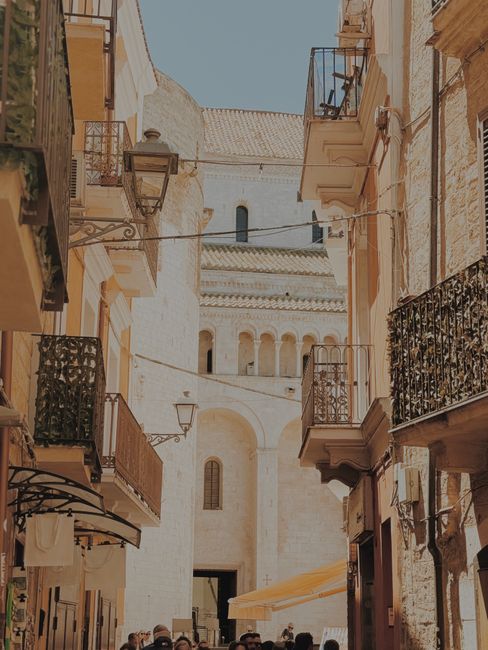
- Bari Vecchia is best explored on foot; distances are short but streets can be uneven (cobbles, steps).
- Public transport: city buses and taxis; central station (Stazione di Bari Centrale, Piazza Aldo Moro, 70121 Bari BA) is a 15–20 minute walk from the old town.
- Accessibility: some medieval churches have limited access for people with reduced mobility — check ahead if needed.
Conclusion — Between Memory and Modernity: Reading the Sacred in Bari
Bari offers a rich, nuanced reading of sacred art: medieval monuments, goldsmith treasures, hidden crypts and Baroque paintings tell a story of European faith; museums and contemporary galleries complete the narrative by raising new questions about symbolism, representation and the role of the sacred in today’s society. For the visitor, each site invites contemplation and inquiry: why was a chapel embellished, how did a relic travel, and how has religious imagination inspired artists and patrons through the centuries?
Practically speaking, a successful visit combines respect, curiosity and method: check opening times and fees (budget €3.00–€8.00 for most museums), set aside time for crypts and treasuries that are often less accessible, and take advantage of vernissages and temporary shows to see how the sacred is being reinterpreted today. Key addresses to keep handy are: Basilica di San Nicola (Piazza San Nicola, 13, 70122 Bari BA) for the spiritual and historical center; Cattedrale di San Sabino (Piazza San Sabino, 1, 70122 Bari BA) for clean architectural lines; Museo Diocesano (Piazza dell’Odegitria, 9, 70122 Bari BA) for diocesan collections; Castello Svevo (Via Castello, 70122 Bari BA) and local pinacothecas for museum context.
Finally, leave room for the unexpected: a tiny chapel around a corner, a priest willing to show a reliquary, or a young gallery staging a surprising installation can be just as powerful as the major monuments. Bari, positioned between memory and modernity, asks visitors to see sacred art not as a static inheritance but as a living experience, woven into the daily life of a port city where the sacred continues to fascinate and bring people together.