





Introduction — Saint Nicholas’ relics: a journey of history and feeling in Bari
Bari, an ancient port and cultural crossroads on the Adriatic, owes much of its medieval mystique to a figure whose fame crosses borders and confessions: San Nicola (Saint Nicholas of Myra). The saint’s relics, brought to Bari in 1087, turned the city into an international pilgrimage destination, drawing worshippers, historians and curious travelers alike. This guide dives into the history, the site and the emotions surrounding these relics, so you can enjoy a structured, immersive visit to Bari’s religious and historical heart.
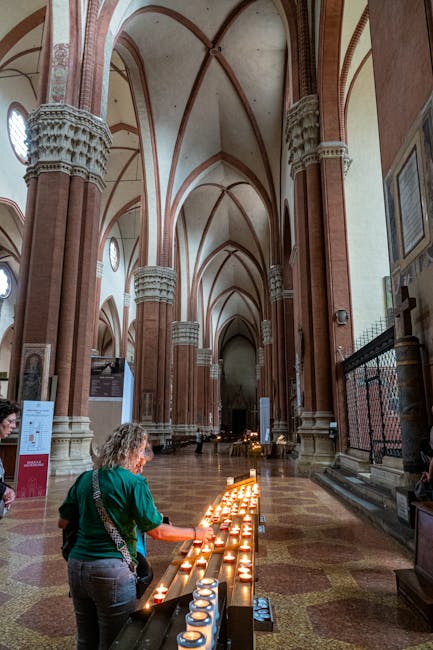
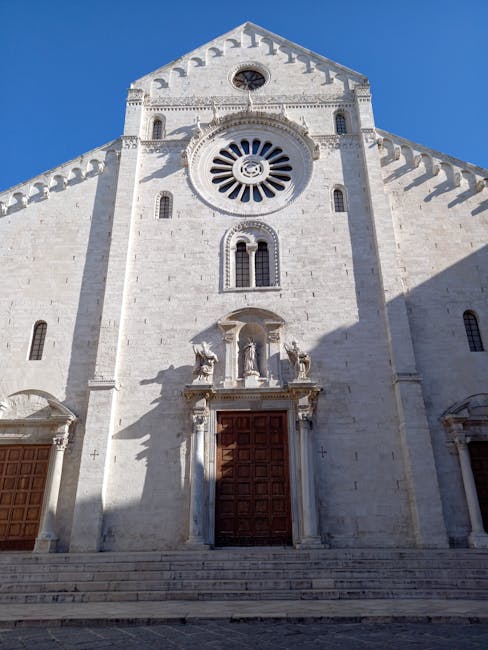
The Basilica di San Nicola, on Piazza San Nicola, 70122 Bari BA, houses the saint’s bones. Built between the late 11th and 12th centuries in the Apulian Romanesque style, the basilica is an imposing structure—simultaneously austere and grand—reflecting the importance given to the reliquary. Step inside and you immediately feel the layers of time: mosaics, carved capitals, vaulted ceilings and the crypt where the relics rest—an area where history becomes almost tangible.
Beyond being a place of worship, the Basilica di San Nicola functions as a living museum where architecture, liturgy and popular devotion meet. A typical visit usually includes the upper church, the sacristy and the crypt. Regular services and offices punctuate the day, while guided tours, temporary exhibitions and the Museo Nicolaiano (the basilica’s museum) enrich the experience. Preserving the relics and liturgical treasures requires museum-standard practices and visitor awareness—so this guide also includes practical information on opening times, fees and local tips.
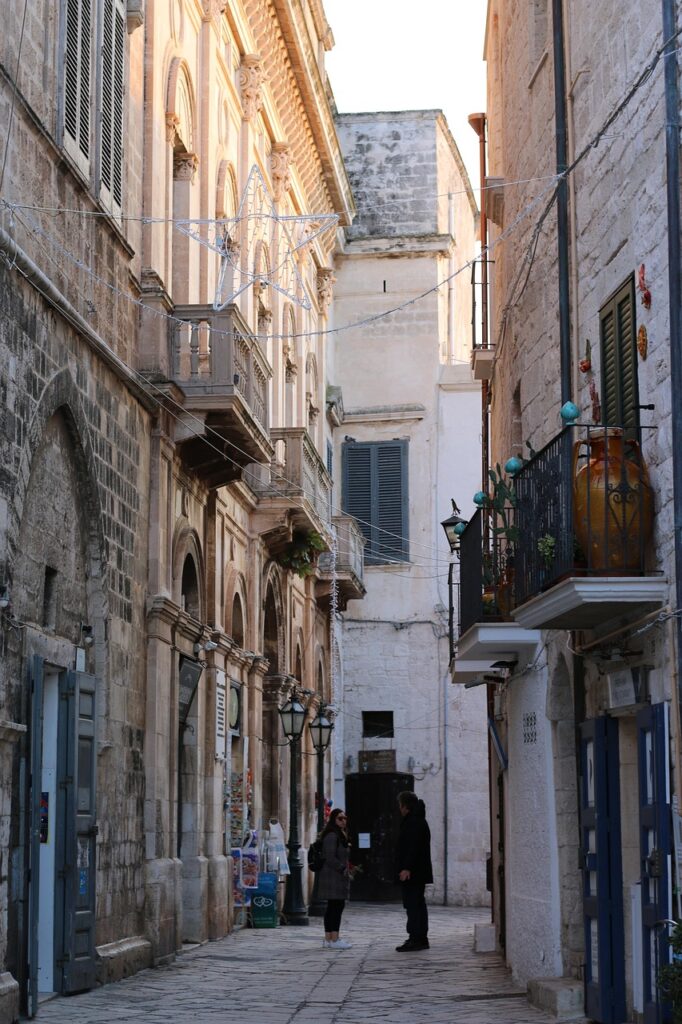
San Nicola’s influence goes beyond the building: you’ll see it in festivals, maritime traditions and even in local place names—the piazza, the surrounding alleys and the city’s processions all testify to an intimate relationship with the patron saint. Pilgrims arrive from around the world—Orthodox and Catholic faithful as well as curious tourists—and the coexistence of rites and architectures gives Bari a distinctive atmosphere. This guide will lead you not only to the reliquary but also to complementary places essential to understanding San Nicola’s historical and emotional significance: the crypt, the Museo Nicolaiano, the nearby Castello Normanno-Svevo and the winding streets of the Borgo Antico where daily life unfolds.
Prepare for a visit rich in symbolism: the gleam of gilding, the weathered patina of stone, the dimness of the crypt, the intensity of the services and the faces of those who come to pray. I provide practical details (precise addresses, opening hours, prices in euros), immersive descriptions and local tips to help you get the most out of your time in Bari. Whether you arrive as a pilgrim, an amateur historian or a cultural traveler, encountering Saint Nicholas’ relics promises a memorable experience—where deep-rooted history meets powerful emotion.
The Basilica di San Nicola: detailed visit, opening hours and practical tips
The Basilica di San Nicola (Piazza San Nicola, 70122 Bari BA, Italy) is the central place preserving the relics. Exact address: Basilica di San Nicola, Piazza San Nicola, 13, 70122 Bari BA, Italy. Access to the upper church is usually free; tradition holds that you can enter the sanctuary without a ticket, although certain areas (the crypt, the Museo Nicolaiano, guided tours) may require payment or be suggested as donations.
Typical opening hours (subject to seasonal change—always check before you go):
- Upper church: Monday to Sunday, 7:30–12:30 and 16:00–19:30.
- Crypt (where the relics are kept): 9:00–12:30 and 16:00–18:00. Access to the crypt is often more limited for conservation and liturgical reasons.
- Confessions / Services: Daily Mass at 8:00 and 11:00; evening vespers vary.
Indicative prices:
- Basilica entry: free (voluntary donations recommended, €1–5).
- Crypt access with guided visit: generally €3–5 per person (reduced rates for students and seniors).
- Museo Nicolaiano (see next section): usually a separate fee, around €4.
The basilica contains several spaces to explore: the Romanesque nave, the sacristy stocked with vestments and reliquaries, the crypt and the treasury. The crypt, located beneath the choir, holds the sarcophagus containing the relics. The atmosphere there is markedly different: dim light, the scent of wax and incense, and pilgrims at prayer. You’ll feel a temporal rupture that transports visitors into the city’s medieval and maritime devotion.
Practical tips for your visit:
- Arrive early: to avoid crowds of pilgrims and cruise groups, aim for opening hours (7:30–9:00) or late afternoon after 17:00.
- Dress respectfully: the basilica is an active place of worship. Avoid very short shorts and bare shoulders; bring a light scarf if needed.
- Photography: allowed in public areas but often prohibited in the crypt and for sacred objects. Follow signs and staff instructions.
- Guided tours: consider a guided tour (€3–5) to understand the historical and archaeological context—the guide will explain the relics’ translation, Bari’s role in maritime routes and Romanesque architectural features.
The Museo Nicolaiano and the basilica’s treasury — art, relics and conservation
The Museo Nicolaiano (the Basilica di San Nicola’s museum) complements the basilica visit by displaying liturgical objects, manuscripts, ex-votos and items connected to devotion to Saint Nicholas. Address: Museo Nicolaiano, via adjacent to the basilica (access often via Piazza San Nicola). Fee: around €4 per person (reduced €2 for students/under-18s; free for children under 6). Typical opening hours: 10:00–13:00 and 16:00–19:00 (sometimes closed Monday mornings). These details may vary by season.
The collection includes:
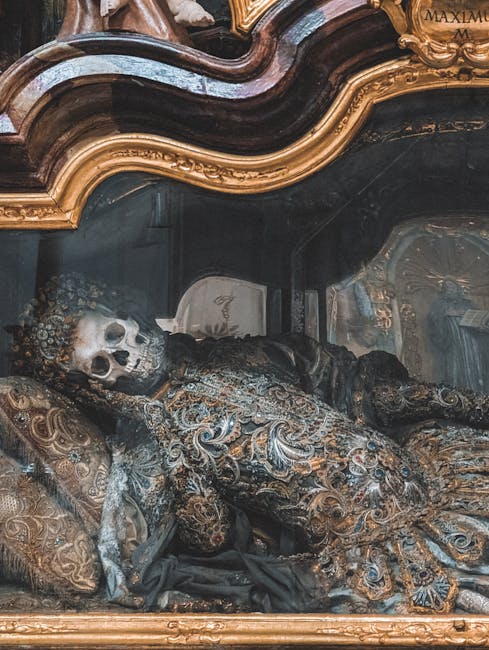
- Gold and vermeil reliquaries dating from the Middle Ages and the Renaissance.
- Embroidered liturgical garments, chasubles and processional banners.
- Medieval manuscripts and documents related to the transfer of the relics in 1087.
- Maritime ex-votos offered by grateful seafarers—objects donated after rescues or perceived miracles.
The museum also tells the story of the « translation »: in 1087, sailors from Bari took Saint Nicholas of Myra’s bones (from what is now Turkey) to Bari to protect them from Muslim incursions. This popular episode is recounted through artifacts and illustrations that place the reliquary’s sacredness into its historical and political context.
Conservation and emotion: the Museo Nicolaiano showcases conservation efforts with climate-controlled display cases, anti-UV systems and multilingual labels (Italian, English, sometimes French). Visitors often note the emotional intensity evoked by personal objects and ex-votos: letters of thanks, photos and small offerings left in prayer. The museum makes visible the continuity between medieval devotion and contemporary practices.
Practical tips:
- Allow 45–60 minutes for a full visit to the museum and treasury.
- If you’re interested in conservation, ask about specialized visits (by reservation) that explain the restoration of textiles and manuscripts.
- Audio guides or English brochures are often available; request them at reception.
Around the Basilica: nearby sites, routes and local experiences
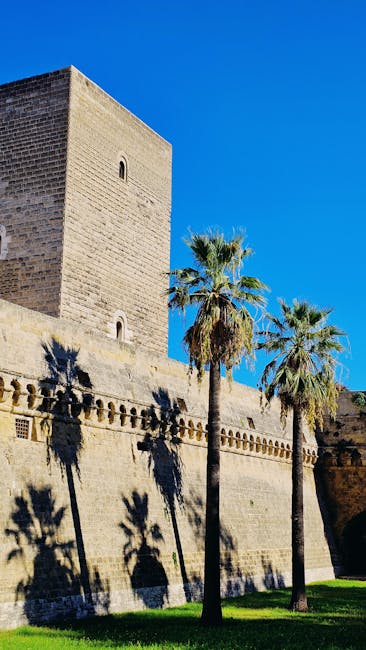
The Basilica di San Nicola sits within Bari’s historic Borgo Antico (old town). To fully grasp the relics’ importance, it’s helpful to explore nearby sites. About 300 meters away is the Castello Normanno-Svevo (Piazza Federico II di Svevia, 70122 Bari BA), a 12th-century fortified castle that tells the region’s military and political history. Exact address: Castello Normanno-Svevo, Piazza Federico II di Svevia, 4, 70122 Bari BA. Typical hours: 9:00–19:00; entry fee usually €6 (reduced €4).
Other places to visit:
- Cattedrale di San Sabino (Bari Cathedral) — Piazza dell’Odegitria, 70122 Bari BA. Hours: 8:00–12:30 and 16:00–19:00. Entry is free, donations welcome.
- Via Venezia / Lungomare Nazario Sauro — a seaside promenade perfect for breathing in Adriatic air after a religious visit; free and open day and night.
- Pescaria di Bari (fish market) — Via Argiro, 70122 Bari BA, a lively market where you can observe the maritime traditions that accompany devotion to San Nicola.
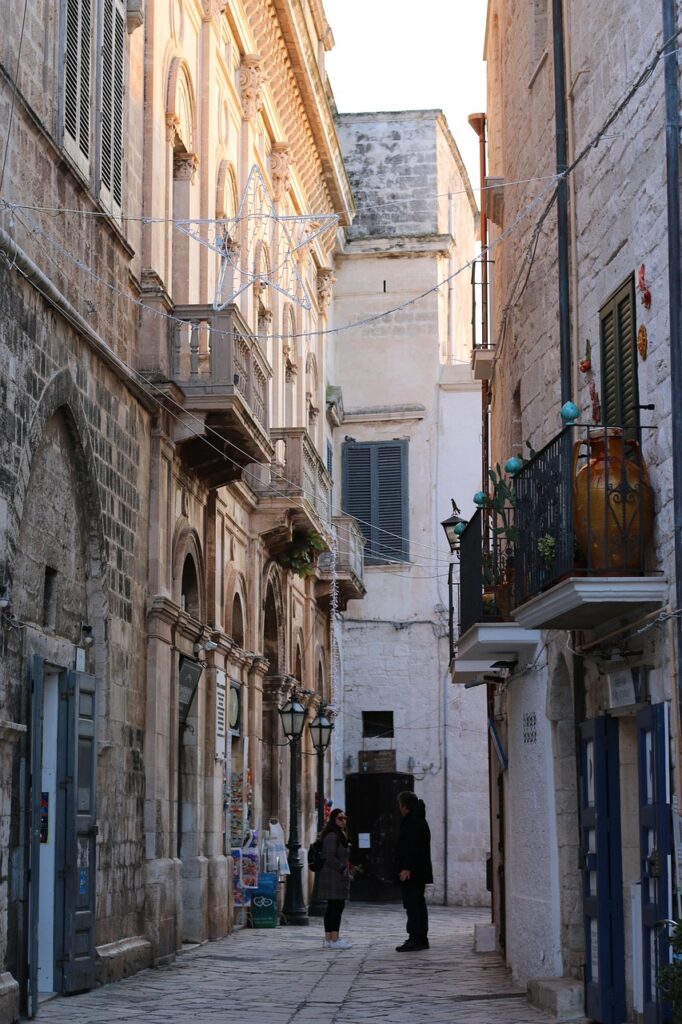
Recommended half-day itinerary: start at the Basilica di San Nicola (1–1.5 h), wander down into the Borgo Antico and get lost in the alleys (0.5–1 h), visit the Pescaria market for a sensory break (30–45 min), then finish at the Castello Normanno-Svevo (1–1.5 h). This route gives you a taste of religious art, daily life and military heritage within a reasonable timeframe.
Local tips:
- Try a focaccia barese at a bakery in the historic center for an authentic snack between visits (roughly €2–4).
- If you visit during festivities (notably December 6 for Saint Nicholas’ feast), expect heavy crowds: the basilica is packed and processions move through the city.
- For souvenirs, favor local artisans selling ex-votos or icon reproductions rather than mass-market tourist shops.
The spiritual dimension and major celebrations: emotions and rites around Saint Nicholas
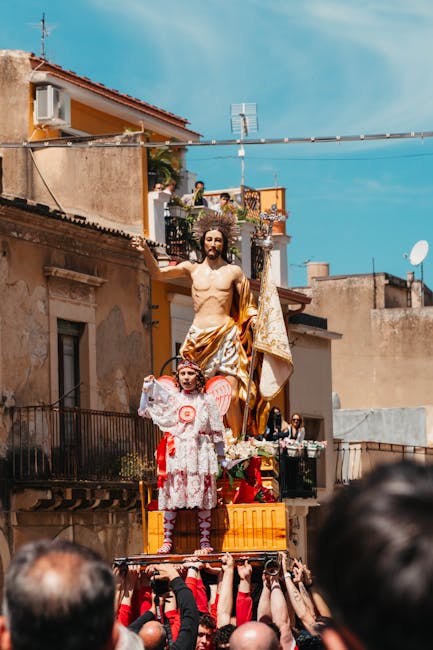
To understand the emotional impact of the relics, you need to appreciate how Bari celebrates Saint Nicholas. The saint’s official feast day is December 6, when the liturgical memory is observed with solemn offices, Masses and sometimes processions through the old town. Bari also hosts events in spring and May linked to particular pilgrimages and ecumenical gatherings. The relics draw not only Catholic faithful but also Orthodox worshippers—reflecting the Byzantine history and ties to the eastern Mediterranean coast.
During major celebrations the basilica is adorned with flowers, incense and precious ornaments. Chants—often in Latin or Greek—fill the space and resonate deeply with participants. Emotions run high: there are moments of intense reflection at the crypt, anonymous offerings left near the reliquary and interfaith encounters highlighting Saint Nicholas’ symbolic role as protector of sailors and the poor.
Some common practices you may witness:
- Lighting candles at the crypt entrance—a small prayer gesture (voluntary contribution €1–3).
- Maritime devotions: sailors and seafaring families often bring ex-votos shaped like model boats or blessed ropes.
- Processions: during local feasts, historic banners and religious brotherhoods march between the basilica and the seafront.
Emotion and introspection: for many, visiting the crypt is a deeply inward moment. Testimonies left at the Museo Nicolaiano or in parish records recount stories of healings, family reunions and protections at sea. Even for non-believers, the experience immerses you in a long-standing spirituality enriched by centuries of prayers and sacred art.
Final practical tips: planning, respect and useful resources
Before you set out to discover Saint Nicholas’ relics, plan your visit to get the most out of it. Here are useful details and practical recommendations to keep in mind.
Transport and accessibility:
- Main station: Bari Centrale (Piazza Aldo Moro, 70122 Bari BA). From the station the Basilica di San Nicola is walkable in 15–20 minutes via the Lungomare or you can take a local bus.
- Parking: the historic center is largely pedestrian; prefer peripheral parking (e.g. Parcheggio Lamberti, Via Giuseppe Capruzzi) and finish your visit on foot.
- Accessibility: the basilica and museum offer partial access for visitors with reduced mobility; check ahead if you have specific needs.
Best time to visit:
- Off-season (spring and autumn): fewer crowds and pleasant temperatures.
- December 6 (Saint Nicholas’ feast): intense but highly interesting if you want a liturgical experience—be prepared for crowds.
Respect and visiting rules:
- Avoid loud conversations in the crypt; respect those in prayer.
- Follow signage about photography and restricted areas.
- Have a few euros ready for a donation: the conservation of relics and the museum also depends on visitor contributions.
Useful resources:
- Official site of the Basilica di San Nicola (check for updates to hours and special events).
- Bari Tourist Office (Ufficio Informazioni e Accoglienza Turistica) — Piazza Ferrarese, 70122 Bari BA — usually open 9:00–19:00; they can advise on guided tours and exhibitions.
- Local maps and guidebooks available in bookstores in the historic center, useful if you want to dive deeper into the archives and iconography of San Nicola.
With these tips you’ll be ready for a full and respectful visit combining historical discovery, spiritual emotion and immersion in Bari’s everyday life.
Conclusion — Why Saint Nicholas’ relics are worth your visit
Visiting Saint Nicholas’ relics in Bari is more than a cultural stop; it’s an experience that connects you to more than a millennium of history, faith and seafaring life. The Basilica di San Nicola, with its silent crypt and Museo Nicolaiano, offers a route where architecture, sacred objects and human testimonies combine to tell a rich, moving story. The exact addresses (Basilica di San Nicola, Piazza San Nicola, 13, 70122 Bari BA), hours and prices in this guide let you plan your trip concretely, while the practical advice helps you respect the site and get the most out of your visit.
Whether you come on pilgrimage, out of historical curiosity or simply to soak up a unique atmosphere, expect moments of reflection before the crypt, the contemplation of precious objects in the Museo Nicolaiano and encounters with a city that has built part of its identity around this legendary saint. Don’t forget to explore the surroundings—the Castello Normanno-Svevo, the Borgo Antico and the seaside promenade—to understand the wider context of devotion to San Nicola.
Finally, let the small things touch you: a candle lit in the dark, voices singing in the nave, the silent ex-votos left by others. Those details are the real treasure of a visit to Bari and will remind you why, beyond dates and practical facts, Saint Nicholas’ relics continue to move so many visitors each year. Safe travels and buona visita—may your time in Bari be full of history, emotion and discoveries.