





Introduction: The Legend of Saint Nicholas and Bari’s Basilica
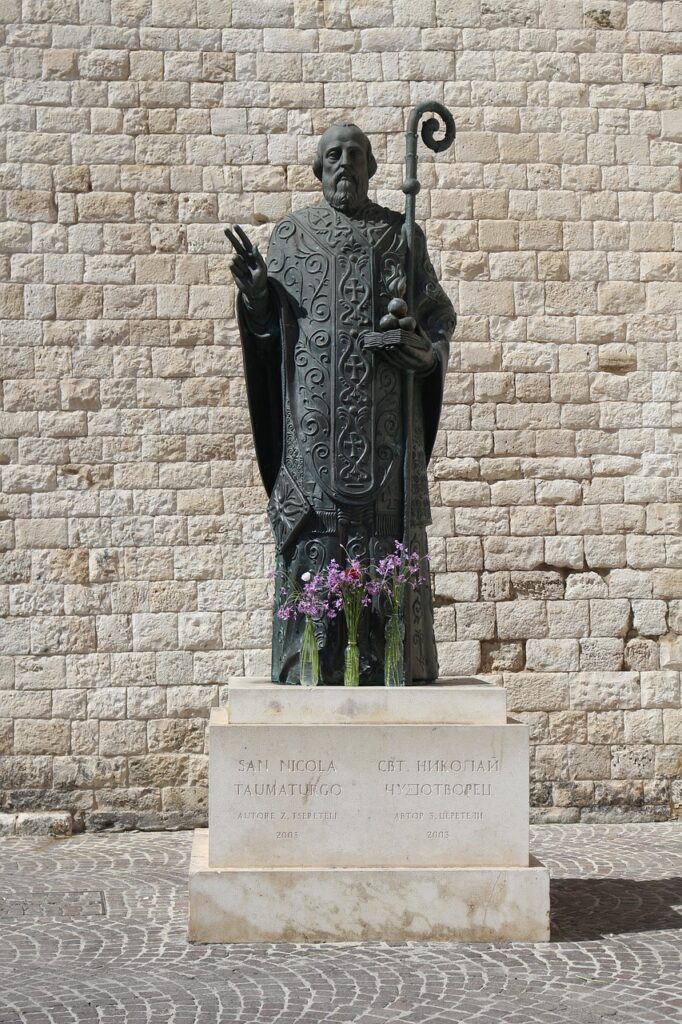
The city of Bari, capital of the Puglia region on Italy’s Adriatic coast, is inseparable from the figure of Saint Nicholas of Myra — a 4th-century bishop whose generosity helped inspire the modern Father Christmas, as well as many Christian and maritime traditions across the Mediterranean. The Basilica di San Nicola, built on the very site where his relics were solemnly placed in 1087, is now a major pilgrimage destination for both Catholics and Orthodox believers, a treasure of Romanesque art, and a focal point of Bari’s religious and civic history.
This article is a practical, in-depth guide: it covers the legend, the basilica’s architecture and liturgical spaces, practical information (exact addresses, opening hours, prices), visitor tips and local advice to make the most of this essential stop. It’s written for curious travelers, pilgrims, history buffs and photographers who want clear pointers for planning a respectful and rewarding visit.
The legend of Saint Nicholas exists in many versions and has grown richer over the centuries. In Bari people celebrate not only the man — the bishop who protects sailors, children and travelers — but also the historical act by local merchants who brought his relics back from Myra (today Demre in Turkey) to protect them from Muslim raids. The translation of the relics, recounted by medieval chroniclers, explains Saint Nicholas’ special place in the city’s collective memory. Stepping through the basilica’s entrance, visitors enter a space where liturgy, Romanesque architecture, Byzantine frescoes and goldsmith work converse, showing how a place can embody both devotion and heritage.
This guide will also detail the less visible areas: the crypt that holds the relics, the treasury (museo), the religious services, and the immediate urban surroundings — Bari Vecchia (the old town), the Lungomare Nazario Sauro and traditional local shops. You’ll find precise addresses, prices in euros and typical opening hours, plus practical photography tips, dress suggestions and the best times to visit to avoid crowds. Finally, local recommendations will help you extend the experience: restaurants, cafés, religious bookstores and craftsmen who preserve age-old techniques.
History and Legend of Saint Nicholas: Stories, Miracles and the Translation of the Relics
The historical figure of Nicholas of Myra (c. 270–343) is surrounded by numerous miracle stories — saving sailors, anonymously providing dowries for young women, healings — that built his reputation as a protector. In Bari, these tales take on a particular significance because of a foundational episode in the 11th century: in 1087, a group of Bari sailors and merchants sailed to the Lycian coast (modern-day Turkey) and, according to local sources, brought Saint Nicholas’ relics back to Bari to shelter them from Turkish threats. This act was officially treated as a sacred transfer — a “translation” — and construction of a basilica to house the relics began soon after.
The Basilica di San Nicola quickly became a meeting point between East and West Christians. The relics were venerated by both Catholics and Orthodox, and over time Bari developed liturgies and iconography reflecting that cultural crossroads. Miracles attributed to Saint Nicholas continued to strengthen the faithful: naval ex-votos, reported healings and protection from storms — hence the saint’s lasting association with seafarers.
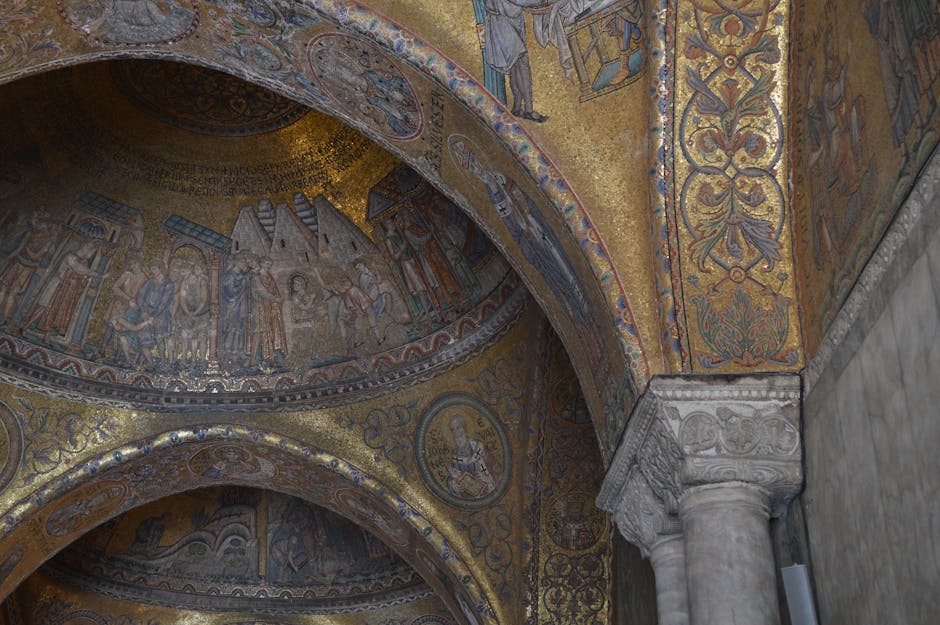
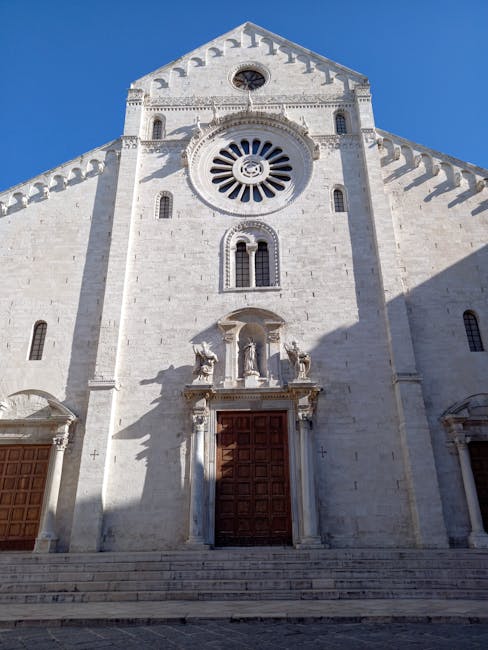
Architecturally, the resulting Romanesque basilica is a striking example of southern Italian religious building: thick walls of local stone, Lombard-style domes and Byzantine elements in the interior decoration. The basilica’s archives preserve medieval documents related to pilgrimages, donations and confraternities that managed the cult of the relics. For today’s visitor, understanding the legend and the relics’ translation enhances appreciation of the crypt’s sacred atmosphere and the importance of annual ceremonies (notably the feast on December 6, Saint Nicholas’ liturgical memorial).
The Basilica di San Nicola: Visiting, Architecture and Main Spaces
The Basilica di San Nicola is located at: Piazza San Nicola, 13, 70122 Bari BA, Italy. Entry to the basilica itself is free for visitors and worshippers. Typical public opening hours are: Monday–Saturday: 7:00–12:00 and 16:00–19:30, Sunday: 7:00–12:30 and 16:00–19:30. The crypt, the sensitive space where the relics rest, is generally accessible during the same hours but may close during services; it’s recommended to check exact times on the official site or contact the parish office (phone: +39 080 525 0906). Note that access can be restricted during liturgical feasts or special events.
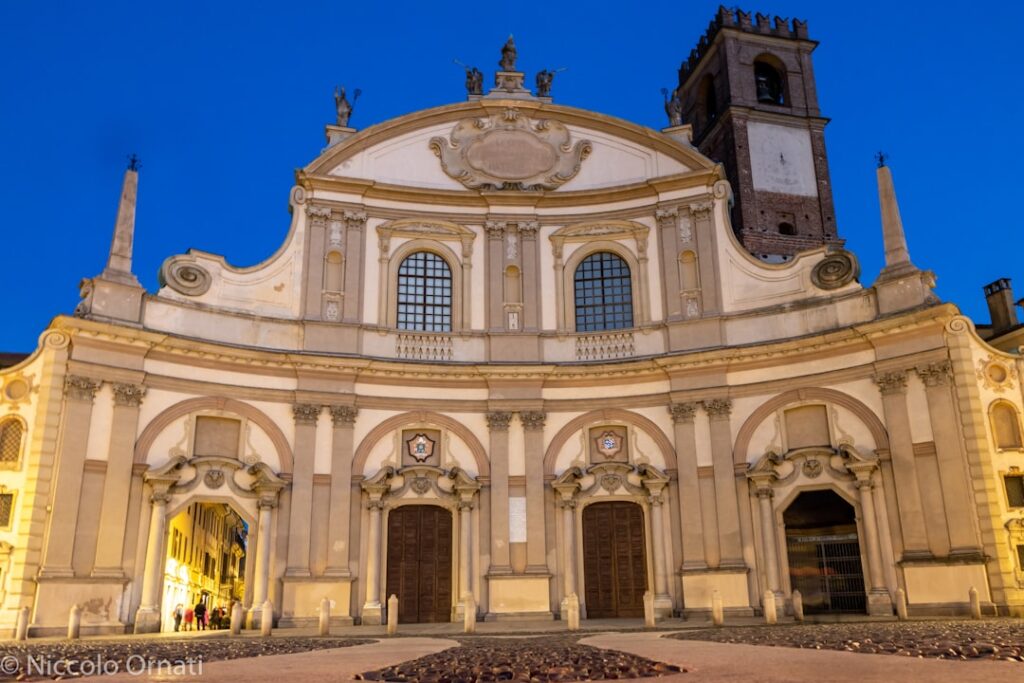
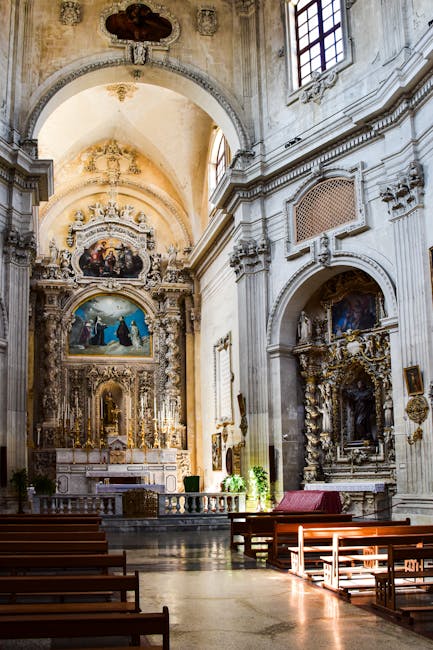
Structurally, the basilica displays a plain limestone façade, a three-aisled basilica plan and a sturdy transept enriched with medieval ornamentation. Inside you’ll clearly see the central nave, the choir and side chapels decorated with Byzantine iconography. The crypt, beneath the choir, houses the reliquary shrine and emits an atmosphere of silence and reflection. Walls and arches bear the marks of time: restorations, traces of earlier frescoes and Baroque retouches are visible to the patient observer.
The basilica’s treasury, often presented as a small museum (Museo del Tesoro di San Nicola), displays liturgical objects, manuscripts and secondary relics. Access to the museum may require a small ticket: indicative price €3.00 to €5.00 (discounts for students and groups); prices vary depending on the season and temporary exhibitions. Local guides also offer guided tours (around €6.00–€10.00 per person) that provide more in-depth historical and artistic information. Photographers are generally allowed to take pictures without flash, but it’s essential to respect worship areas and moments of prayer.
Practical Tips for Your Visit: Route, Timing, Etiquette and Recommended Spots
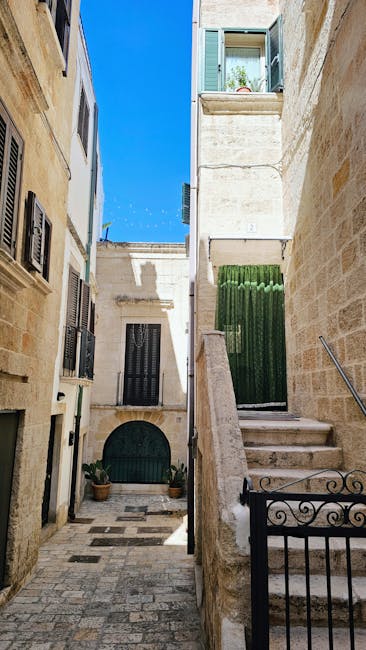
Visiting the basilica fits perfectly into a half-day exploring Bari Vecchia and the seafront. Suggested route: start with a stroll along the Lungomare Nazario Sauro (general address: Lungomare Nazario Sauro, 70121 Bari BA) for views of the Adriatic, then wander the old town’s alleys to reach Piazza Mercantile and continue on to Piazza San Nicola. Early morning (between 7:00 and 9:30) is an excellent time: soft light, fewer people and morning services that create a reverent atmosphere. In the evening, the basilica lit up from the piazza makes for great photo opportunities.
Etiquette and dress: the basilica is an active place of worship. Dress respectfully (shoulders and knees covered), avoid loud behavior and turn off camera flashes and phone sounds. If you attend Mass, be mindful of the rites and seating reserved for parishioners. The crypt is a confined space — follow staff directions and don’t touch the reliquary.
Getting there: the basilica is a 10–15 minute walk from Bari’s main train station (Stazione di Bari Centrale, Piazza Aldo Moro, 70121 Bari BA). By taxi, fares from the station are usually under €10 depending on traffic. If you’re driving, parking in the old town can be tricky; prefer paid peripheral parking (blue zones) and walk in.
Recommended spots around the basilica: for a coffee or local breakfast try Pasticceria Rinaldini (Via Andrea da Bari 10, 70122 Bari BA) — pastries and espresso; for a quick lunch, Friggitoria Santa Teresa (Via Roberto il Guiscardo 5) serves Apulian fried specialties (approx. €4–€12). For a sit-down meal, La Uascezze (Via Roberto il Guiscardo 33) offers traditional Bari dishes (average price €15–€30 per person).
Events, Feasts and Pilgrimages: Experiencing Devotion in Bari
The basilica’s liturgical calendar and local festivals form the living heart of Saint Nicholas’ cult in Bari. The most important date is the liturgical feast on December 6, but the city also commemorates the translation of the relics and several other observances throughout the year. On these days processions, maritime blessings and solemn services draw pilgrims from Italy and Eastern Europe.
Beyond the religious calendar, the basilica regularly hosts sacred concerts, lectures and exhibitions related to Saint Nicholas’ history. These events may require reservations or a specific ticket. Sunday services and Masses in different languages (Italian, Latin, and sometimes Greek for Orthodox faithful) also let visitors experience the site’s interconfessional dimension.
If you want a pilgrimage-style experience, you can contact the sacristy or parish office to arrange a spiritual guided visit, votive Mass or personal blessing. Organized groups may be given dedicated time slots; fees and arrangements should be requested on site or by phone. For more structured pilgrimages, several local agencies and European parishes offer circuits that include Bari and other Marian and saintly sites in Puglia.
Contact Information and Useful Resources
- Address: Basilica di San Nicola, Piazza San Nicola, 13, 70122 Bari BA, Italy.
- Phone (parish office): +39 080 525 0906 (check to confirm).
- Typical opening hours: Monday–Saturday 7:00–12:00 and 16:00–19:30; Sunday 7:00–12:30 and 16:00–19:30 (hours may change for liturgical events).
- Fees: basilica entry is free; Museo del Tesoro di San Nicola indicative ticket €3.00–€5.00; guided tours €6.00–€10.00 depending on options.
- Practical tip: bring small change in euros for offerings, ex-votos and the museum; check religious holidays and local feast days before planning your visit.
Conclusion: Why Visit the Basilica di San Nicola in Bari
The Basilica di San Nicola is more than an architectural masterpiece; it’s a living place where history, faith and culture meet. The legend of Saint Nicholas takes tangible form here: relics, rites, works of art and popular testimonies create an experience that goes beyond a simple tourist stop. Whether you’re a pilgrim, a fan of Romanesque art, a photographer chasing Mediterranean light, or a curious traveler, the basilica offers an emotionally rich and discovery-filled visit.
Visiting Bari and its basilica also helps you understand a chapter of Mediterranean history — the maritime routes, exchanges between East and West, and how a community protected and sacralized relics to create shared heritage. The practical tips and addresses provided here will help you plan a smooth visit: arrive early, respect liturgical practices, take advantage of museums and local guides, and extend your outing with a walk through Bari Vecchia or a typical Puglian meal.
Finally, remember that the basilica is first and foremost a place of prayer. Respect for worshippers and rituals will make your visit more authentic and memorable. For detailed and up-to-date information (special hours, temporary exhibitions, current prices), contact the parish office or consult Bari’s official tourist resources. Enjoy your visit, and let the story of Saint Nicholas accompany you — whether in a moment of reflection or a deeper cultural exploration.