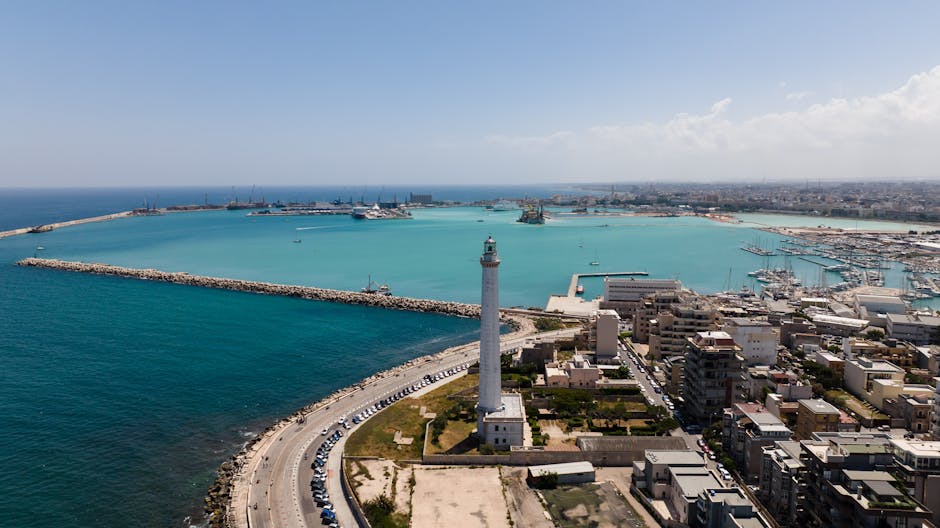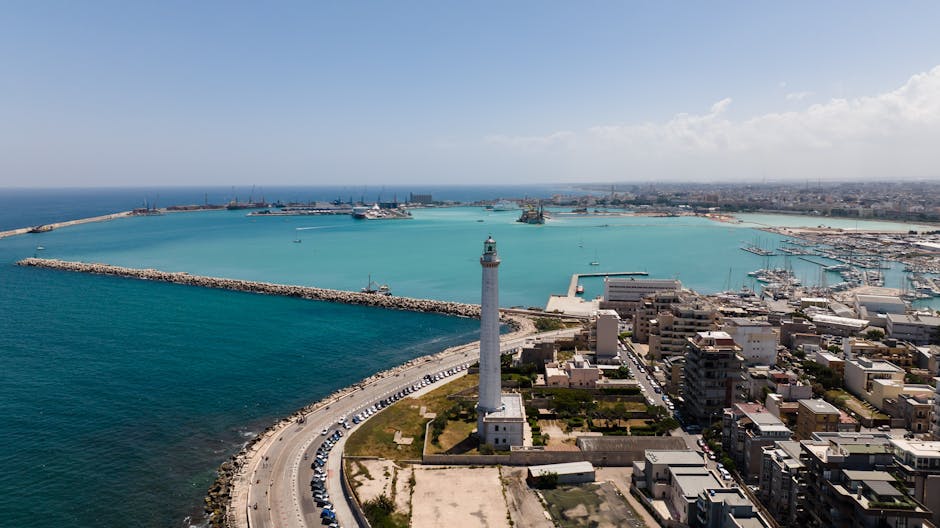






Introduction: Bari’s maritime traditions and the fishermen’s procession
In Bari, the historic capital of Puglia, the sea is much more than scenery: it’s a source of identity, faith and living traditions. Lined by the Adriatic, the city has hosted generations of sailors, fishers and traders whose lives and culture are reflected in popular celebrations that punctuate the local calendar. Among these rituals, the fishermen’s procession — a ceremony that is religious, communal and maritime all at once — embodies the deep bond between Bari’s residents and the sea that sustains them. Held in different waterfront neighborhoods, the procession blends prayers, offerings and a flotilla parade: decorated boats, chants and bells mark the rhythm of the day.
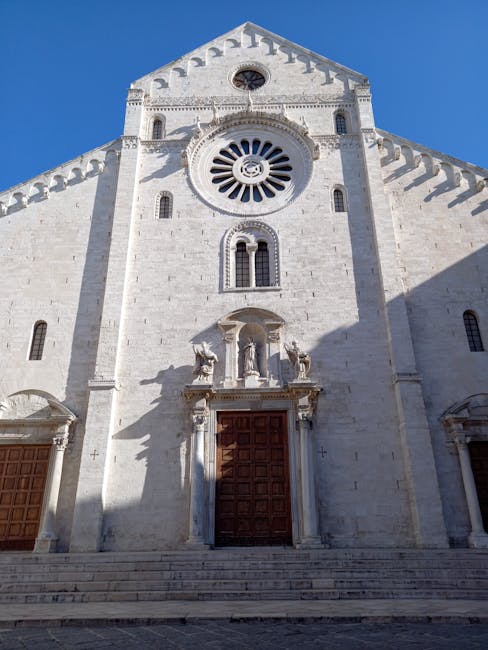
Although the tradition shifts from year to year and from neighborhood to neighborhood, two themes stand out in Bari’s religious and maritime life: devotion to San Nicola (Saint Nicholas) and Marian feasts, particularly those honoring the Madonna del Carmine. The Basilica di San Nicola, located in the heart of the old town, is the city’s spiritual core (Piazza San Nicola, 70122 Bari BA, Italia). Around these sites preparations take place: nets are blessed, boats are painted and garlanded, and shipboard cooks prepare food for participants. The fishermen’s procession is as much an act of faith — asking for protection for those who work at sea — as it is a popular festival that draws residents, whole families and curious travelers.
This guide gives you a full immersion: historical background, a typical procession timeline, exact locations to watch from (with addresses), usual schedules, possible costs to get up close, plus practical tips on how to get there and how to experience the event like a local. You’ll also find recommendations for the best viewing spots — from the quays of Porto Vecchio (Lungomare Nazario Sauro, 70121 Bari BA) or the terraces along the seafront — and alternatives for unpredictable weather. Finally, practical pointers on local landmarks to visit before or after the procession: Basilica di San Nicola (free entry, paid guided tours), Cattedrale di San Sabino and small local museums.
Whether you’re into religious culture, a photographer hunting for dramatic maritime shots, or simply a curious traveler, Bari’s fishermen’s procession is a full sensory experience: the lap of the waves, the smell of grilled fish, the voices of old hymns and the sight of boats haloed by golden light at sunset. This detailed guide will help you plan your visit, understand the meaning behind the rites and fully enjoy the event, with practical transport, safety and ticketing advice, plus suggestions to extend your stay in Bari.
1. Historical and religious background: why the procession exists
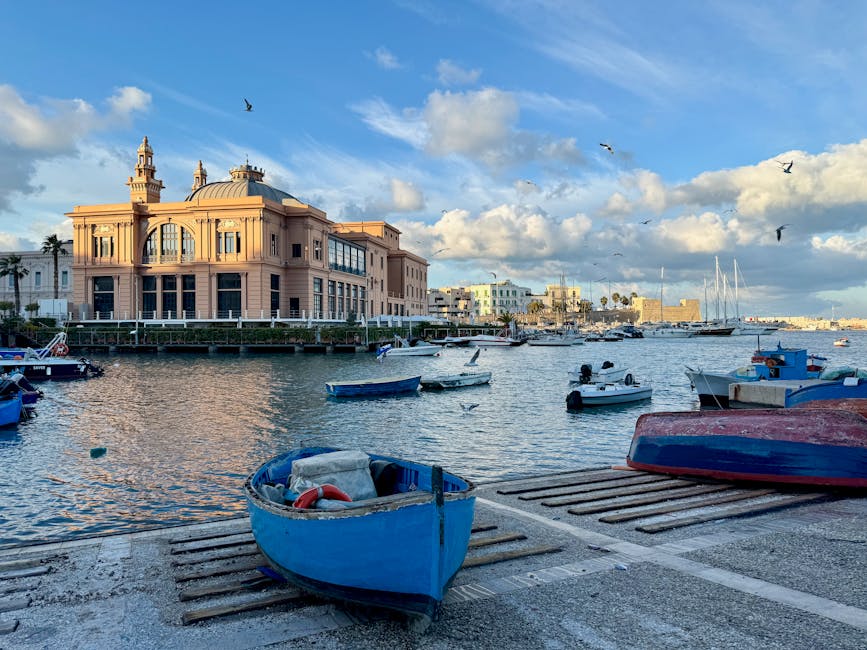
The fishermen’s procession in Bari is part of a long Mediterranean tradition where the local Church and maritime communities developed rituals to ward off the sea’s dangers and to give thanks for the day’s catch. In Bari two historical threads dominate: the veneration of San Nicola and the Marian devotion to the Madonna del Carmine. San Nicola, whose relics are kept at the Basilica di San Nicola (Piazza San Nicola, 70122 Bari BA), is the patron saint of sailors and travelers. His main feast, around May 9–10 (historic commemorations linked to the arrival and translation of his relics), sometimes includes processions towards the harbor and blessings of boats.
The Madonna del Carmine, celebrated locally around July 16, is another figure widely honored by coastal communities. The tradition of the « processione in mare » — the sea procession — involves placing statues or icons of the Virgin on decorated boats for a religious circuit along the shoreline, accompanied by bells, confraternity chants and greetings from the quays. These rituals often have deep roots, mixing Catholic practices with popular customs tied to fishing and the sea. Fishermen’s confraternities, parish groups and sailors’ unions play a central role: they organize embarkations, fund the decorations and prepare blessings for nets and engines.
On a socio-cultural level, the procession is a moment of solidarity: the community pays tribute to lost fishermen, celebrates safe returns, and renews collective vows of protection. From the Borgo Antico (Bari’s old town) to Porto Vecchio (Lungomare Nazario Sauro, 70121), locals participate in large numbers. Today the event also draws tourists, photographers and conscientious travelers who come to observe and understand the gestures, listen to the chants and sample street specialties (grilled seafood, panini with octopus, etc.).
These processions go beyond strictly religious expression: they are identity celebrations often accompanied by fairs, food stalls and activities for children. They preserve crafts — banner sewing, ex-voto making, and preparation of traditional dishes — that might otherwise be endangered by modern life. Understanding the history and symbolism of the procession helps visitors appreciate each detail: why a wreath is cast into the sea, why boats are painted certain colors, or why some prayers are repeated in the local dialect.
2. What a typical fishermen’s procession looks like in Bari: schedule, places and key players
While each year’s event may vary depending on weather and the associated feast, a typical procession follows a recognizable sequence. The times and places below reflect the common practices seen in Bari; however, it’s strongly recommended to confirm exact schedules with the local parish or Bari’s tourist office the day before the event (Ufficio Informazioni e Accoglienza Turistica – IAT, Piazza Ferrarese 13, 70122 Bari; opening hours vary, often 09:00–13:00 and 15:00–18:00).
- Morning — preparations and blessings: From the morning hours, fishermen and confraternities gather at their parish or boat storage areas. For example, fishers from the Borgo Marinaro often meet between 09:00 and 11:30 at the Villaggio dei Pescatori or at the slips of Porto Vecchio (Lungomare Nazario Sauro, 70121 Bari BA) for the blessing of nets. Rituals may include a morning mass at the local chapel (approximate times: 08:30–11:00).
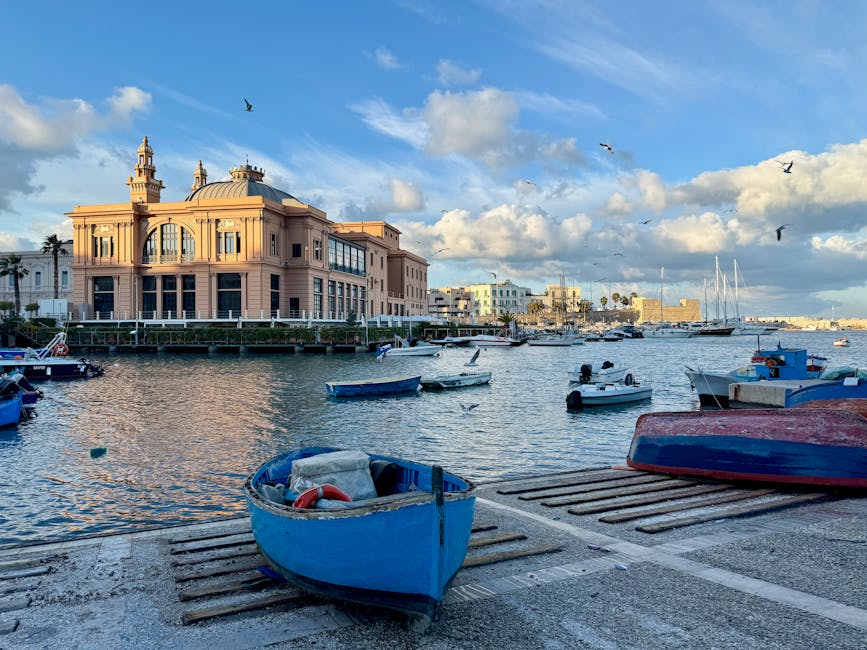
- Afternoon — forming the procession: Around 16:00–17:30, statues (San Nicola or Madonna del Carmine) are placed on a ceremonial boat or on a decorated float, and the procession lines up. Participants decorate boats with garlands, flags and lanterns. The busiest quays for preparations are Lungomare Nazario Sauro (70121) and Calata San Nicola (Piazza San Nicola, 70122).
- Evening — departure to sea and route: Departure usually takes place between 18:30 and 20:00, depending on the season. The fleet of small craft follows a predetermined coastal route, escorted by a few launches and traditional fishing boats. Boats make stops near beaches and ramps so people onshore can see the statue and hear the blessings.
- Night — return and communal meal: After the sea circuit, the procession often returns to the harbor where a final mass or blessing closes the event. A communal meal frequently follows: seafood dishes, fishermen-style rice and local breads. Entertainment and markets can continue until 23:00–00:00.
Costs and participation: access to the quays to watch the procession is generally free. For a more intimate experience, some local associations and operators offer reserved spots on viewing boats: typical prices range from €10 to €30 per person for a standing spot on a small boat (expect around €20–30 if the outing includes dinner). Paid guided tours that explain rites and history can cost between €8 and €15 per person, depending on duration and guide (typical Bari rates). Nearby museums, like the Museo Diocesano di Bari (Via Giuseppe Capruzzi 332, 70121 Bari), charge separate entry fees: about €4–7 depending on temporary exhibitions (opening hours vary, often 09:00–19:00).
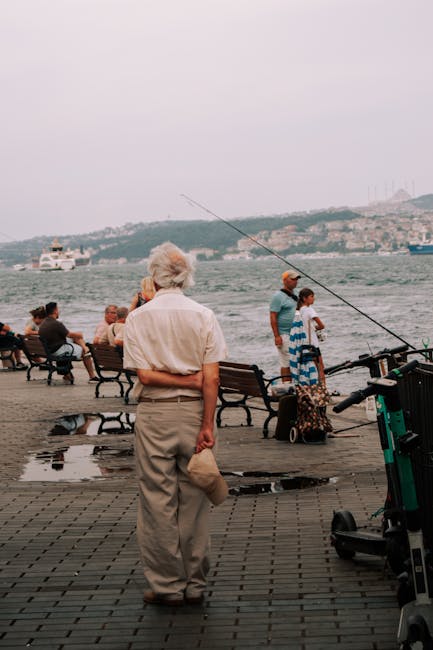
Safety and tips: the sea can be unpredictable. Local authorities frequently monitor the area — follow safety instructions and respect barriers. If you embark, choose registered operators and always ask for a life jacket. For comfortable viewing, arrive at least 60–90 minutes before departure if you want a good spot on the quays or a prime angle for sunset photography.
3. Key places to experience the procession in Bari: addresses, times and best vantage points
Several spots in Bari give privileged views of the fishermen’s procession. Here’s a selection of viewing points with addresses and practical tips for each:
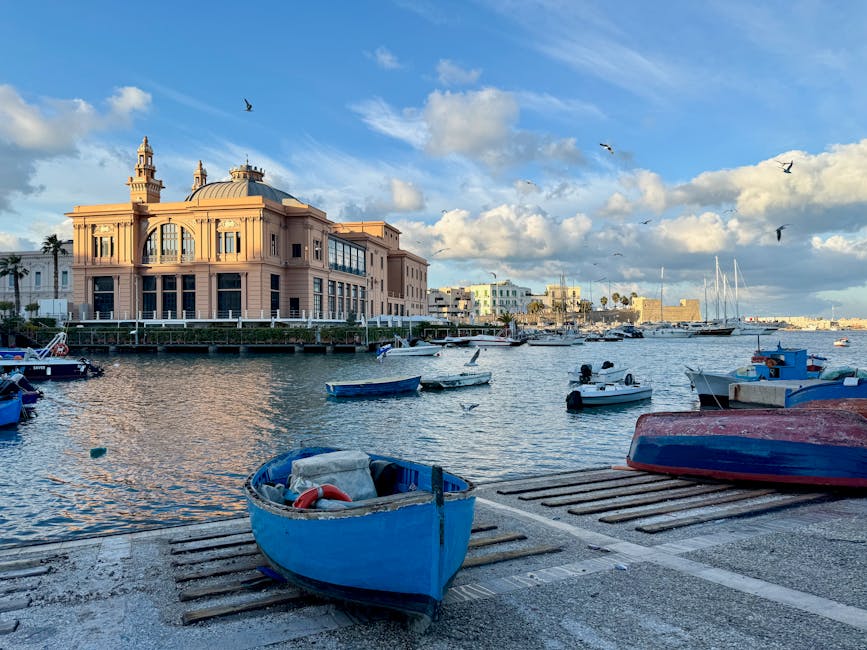
- Porto Vecchio — Lungomare Nazario Sauro: Lungomare Nazario Sauro, 70121 Bari BA. This is the heart of departures and returns. The best place to see boats moor and to soak up the atmosphere of preparations. Free access, open 24 hours. Arrive early to secure a spot near the slips.
- Basilica di San Nicola: Piazza San Nicola, 70122 Bari BA. The basilica is often the main ceremonial point. Entry to the basilica is free; guided tours and special access to the treasury may be paid (indicative guided tour price €5–10). Typical opening hours: 07:00–12:00 and 16:00–19:00 (seasonal — check locally).
- Cattedrale di San Sabino: Piazza San Sabino, 70122 Bari BA. Located in old Bari, it offers a more intimate, liturgical perspective on the celebrations. Approximate hours: 08:00–12:00 and 16:00–19:30.
- Piazza del Ferrarese and Lungomare Italia: Piazza Ferrarese, 70122 Bari BA. A lively area with cafés and terraces — ideal if you want to combine watching the procession with a meal. Cafés open early; expect crowds on procession nights.
- Spiaggia Pane e Pomodoro: Lungomare Araldo di Crollalanza, 70126 Bari BA. Watch the procession from an urban beach. Free access; allow a bus or taxi ride from the center (approx. 10–15 minutes, taxi ≈ €8–12).
Transport and access: the main station, Bari Centrale, is at Piazza Aldo Moro 52, 70121 Bari BA. From there take a taxi to Porto Vecchio (about €10–12 depending on traffic) or the city bus (AMTAB lines 16/18/20 depending on destination). If you arrive by car, note that parking near the port can be limited on festival days; choose paid garages like Autorimessa Garibaldi (Via Garibaldi 54, 70121 Bari) or public parking along the Lungomare (rates vary, often €1–2/hour).
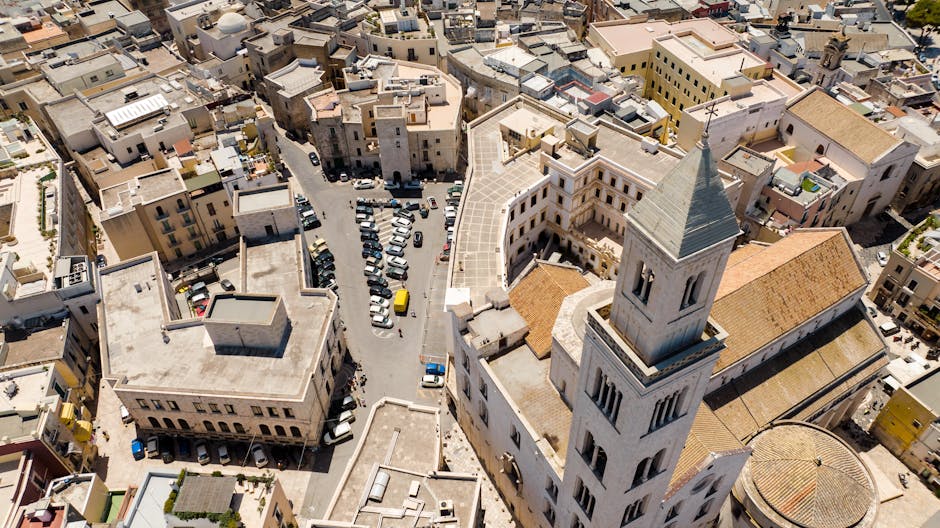
Photography tips: the best moment is about fifty minutes before sunset, when the light softens the stone façades and lanterns start to glow. Bring a mid-range zoom (24–70mm) for crowd scenes and a longer lens (70–200mm) to capture boat details at sea. Respect the liturgy: avoid obstructing moments of reflection or taking intrusive photos during prayers.
4. Practical tips, food and cultural follow-ups after the procession
Attending Bari’s fishermen’s procession is a great chance to explore the city’s culinary and cultural riches. Here are practical tips, meal suggestions and recommended places to extend your experience.
Clothing and gear: dress in layers — the sea breeze cools quickly after sunset, even in summer. Pack a light scarf, a windproof jacket and closed shoes, especially if you’ll be walking on wet ramps and cobbles. Bring a headlamp or small light if you expect to walk back late through the Borgo Antico alleys. Public restrooms along the port are limited; use cafés or restaurants for comfortable breaks.
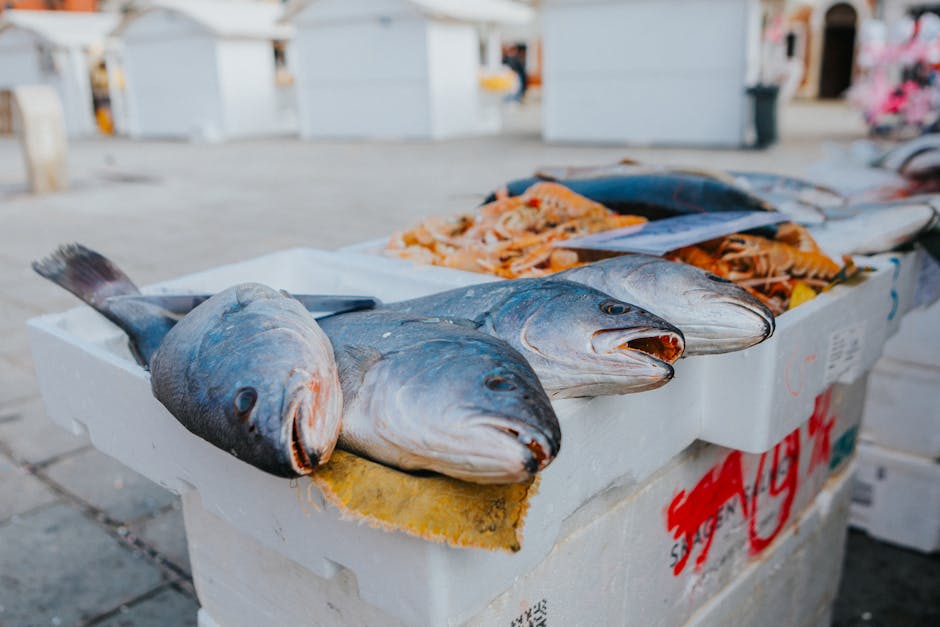
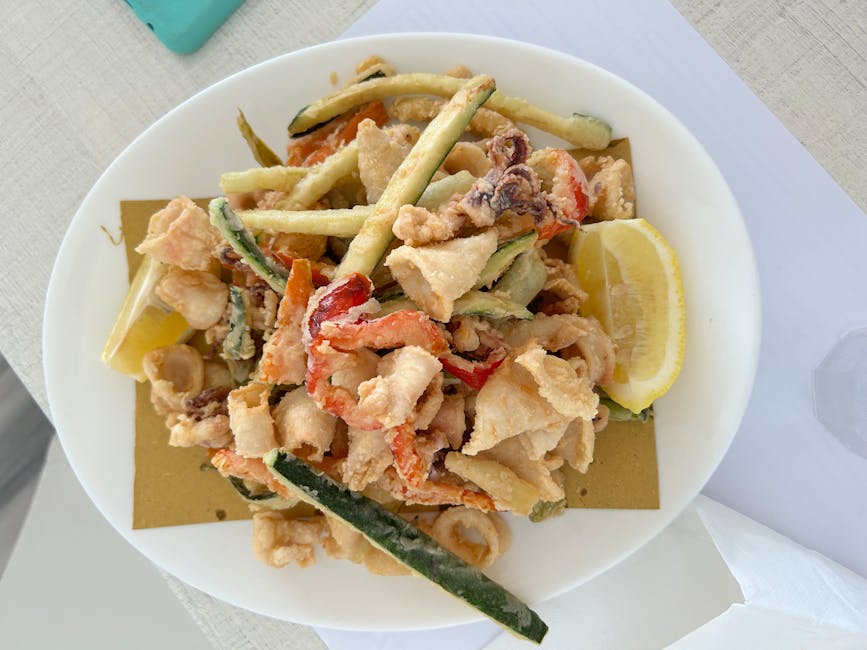
Food: Bari’s cuisine centers on seafood. After the procession, head to these recommended spots:
- Ristorante Al Pescatore (example local venue) — Via Nicolai 12, 70122 Bari BA. Specialties: linguine allo scoglio, fritto misto di mare. Price guide: mains €12–25; full menu €25–40 per person.
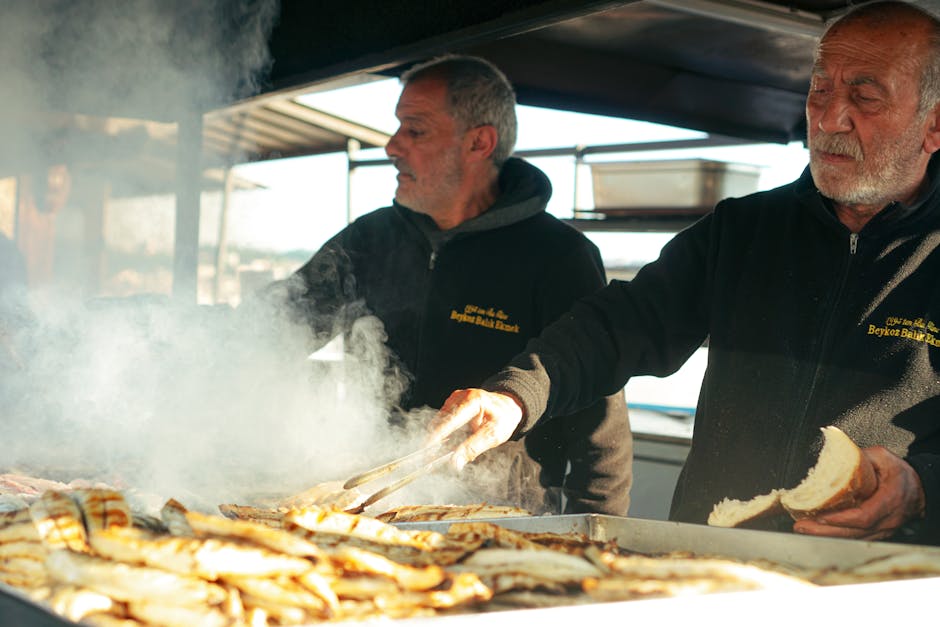
- Mercato del Pesce — Porto Vecchio: located along Lungomare Nazario Sauro. Fresh fish and small stalls — ideal for pesce alla griglia (grilled fish) to go. Price guide: individual portions €6–12.
- Typical paninoteca: in the Borgo Antico, for a panino con polpo. Price €4–8.
Cultural activities after the procession:
- Basilica di San Nicola: visit the interior and the treasury if accessible. Address: Piazza San Nicola, 70122 Bari. Free entry; guided tours €5–10.
- Castello Normanno-Svevo: Piazza Federico II di Svevia, 70122 Bari BA. A medieval castle often hosting exhibitions; entry €3–7 (hours vary: typically 09:00–19:00).
- Museo Diocesano di Bari: Via Giuseppe Capruzzi 332, 70121 Bari. To deepen your knowledge of the region’s religious history. Entry €4–7.
Behavior and respect for traditions: one of the best local tips is to be respectful. If you’re invited to participate — blessing a boat, making a symbolic offering, or sharing a communal meal — follow the organizers’ guidance. Avoid intrusive actions during prayer moments (silent photography if needed). People from Bari are usually welcoming; a simple Italian greeting (« Buonasera ») and a « Grazie » will open many doors.
Logistics and health safety: check the weather on the day and, if the event is canceled for safety reasons, consult the local parish or the tourist office. Bring water and snacks if you plan to stay long; for visitors with reduced mobility, enquire ahead about the accessibility of quays and boats (some areas are steep and cobbled).
Conclusion: experiencing Bari’s fishermen’s procession — where faith, sea and community meet
The fishermen’s procession in Bari is far more than a religious event: it’s a living expression of local identity, a ceremony that weaves together faith, collective memory and the maritime economy. By coming to Bari to take part or simply observe, you enter a ritual steeped in history where every gesture carries meaning — the blessing of nets, the decoration of boats, the singing of hymns and the offerings left at the water’s edge. The experience engages the senses: you’ll taste briny local dishes, hear stories from veteran fishermen and watch the city gather around its protectors, often San Nicola or the Madonna del Carmine.
To get the most out of the procession, plan around the typical schedule: morning preparations, afternoon setup of the flotilla, and the evening departure to sea (often between 18:30 and 20:00). Note the key places: Porto Vecchio (Lungomare Nazario Sauro, 70121 Bari BA) for the most immersive view among the fleet, Piazza San Nicola (70122 Bari) for the ceremonial heart, and the Lungomare terraces for a more comfortable vantage point. Don’t forget practical matters: transport (Bari Centrale station — Piazza Aldo Moro 52, 70121 Bari BA), nearby parking, dining options after the event and, if you wish, booking a boat trip for a close-up view (typical prices €10–30 per person).
Most of all, celebrate with respect: the procession is a sacred moment for many locals. Be discreet during rites, ask questions quietly and join local festivities with gratitude. Before you leave, take time to visit Basilica di San Nicola (Piazza San Nicola, free entry, paid guided tours), Castello Normanno-Svevo (Piazza Federico II di Svevia) and the fish markets along the port. These follow-ups will give you deeper insight into Bari — a city where the sea continues to set the rhythm of everyday life and where maritime traditions like the fishermen’s procession remain bridges between past and present.