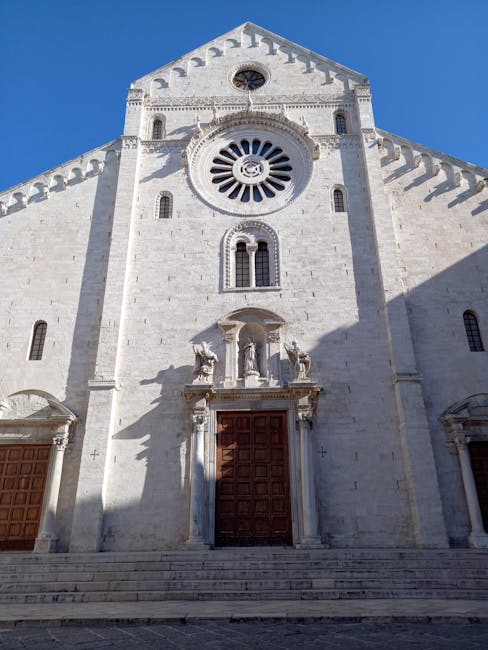






Introduction: The Architectural Secrets of the Basilica di San Nicola in Bari
The Basilica di San Nicola, sitting in the very heart of Bari, is a religious, historical and architectural landmark that draws thousands of pilgrims and curious visitors every year. Built between 1087 and 1197 to house the relics of Saint Nicholas of Myra, the basilica anchors Piazza San Nicola, 70122 Bari BA, Italy. Its massive silhouette, pale limestone walls and imposing bell tower showcase Apulian Romanesque style while absorbing Byzantine and Norman influences — a testament to centuries of cultural exchange across the Mediterranean. But beyond the façade’s apparent simplicity, the basilica hides a range of architectural secrets — construction techniques, conservation systems, stylistic layers and liturgical arrangements — that tell as much about Bari as about the people who built it.
This article is an in-depth guide to understanding those secrets: how the structure carries the vaults’ weight, why the apse faces a certain way, the major restoration works that saved mosaics and frescoes, and how to read the carved symbols on capitals and portals. You’ll find detailed descriptions of key spaces — the nave, transept, bell tower, treasury and the crypt that holds Saint Nicholas’s relics — plus exact addresses, visiting hours, entrance fees for paid areas and practical tips to make the most of your visit.
The basilica is not only an active place of worship, with regular services, but also an architectural museum where every stone has a story. We’ll also cover the role of the Museo Nicolaiano and carved capitals in explaining medieval liturgy, along with local recommendations — which side doors to use to avoid crowds, the times of day that give the best light to view mosaics, and nearby cafés and bookshops where you can deepen your knowledge of Apulian Romanesque art. The technical points are explained plainly and paired with visual cues you can look for on site.
Whether you’re an amateur architect, historian, photographer or curious traveler, this guide will help you notice the details that turn a surface visit into a meaningful discovery. By carefully reading the basilica, you’ll learn to spot centuries of interventions, identify recent restorations, understand how natural light reveals volumes and recognize signs of architecture built to last. Let yourself be led through the architectural secrets of the Basilica di San Nicola and get ready to see Bari in a new light.
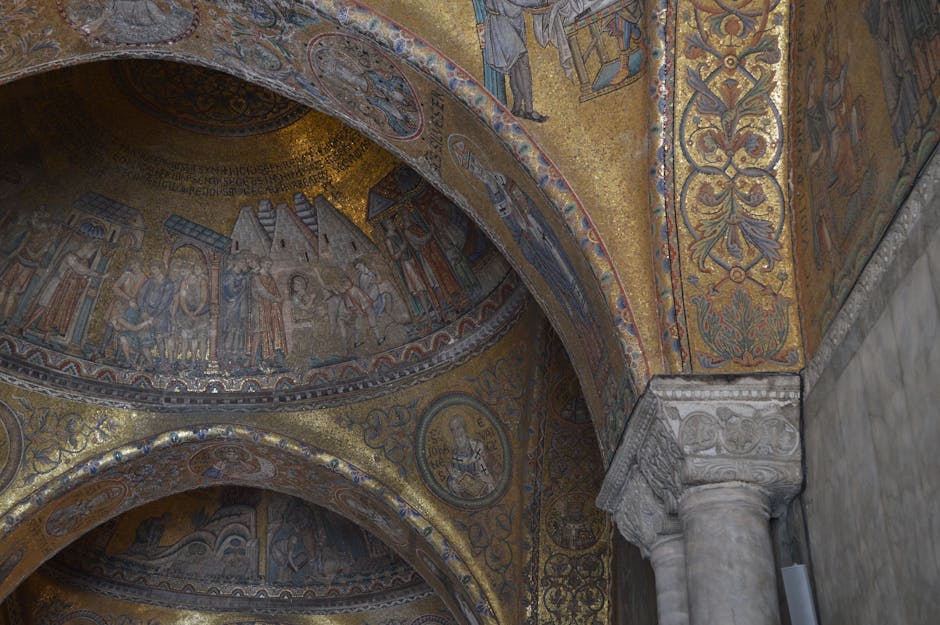
1) The Façade and Portal: Romanesque Language Between Restraint and Symbolism
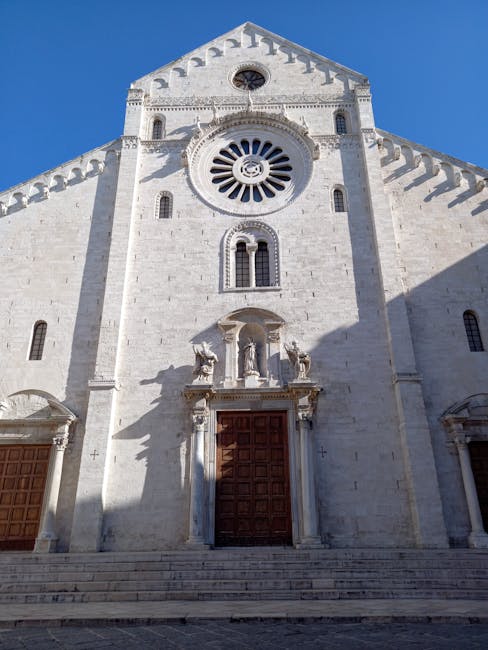
The façade of the Basilica di San Nicola (Piazza San Nicola, 70122 Bari BA, Italy) is a textbook example of Apulian Romanesque: compact, horizontal and defined by restrained lines. Unlike Gothic façades that strive upward, this one projects stability. The main portal is one of the richest sources of information: it pairs a simple tympanum with discreet buttressing and archivolts whose voussoirs are often carved with vegetal and geometric motifs. These decorations do more than please the eye — they help distribute forces, guide the viewer’s gaze and reinforce the arch.
The dominant material is the local pale limestone tuff, slightly porous and worked to withstand the elements while providing an excellent surface for carving. The carved details on the capitals supporting the small gallery above the portal depict biblical scenes and medieval bestiaries: lions, griffins, interlacing patterns. These figures were not merely decorative; they acted as a visual alphabet for a largely illiterate medieval audience. Notice repeated motifs across multiple capitals — often a sign of traveling workshops, production over different periods or reuse of older blocks.
Practical tip: to photograph the façade without heavy backlighting, aim for the morning between 9 and 11 a.m. The basilica is open to the public according to liturgical hours (typically 7:00–12:00 and 16:00–19:00, but check on site) and access to the main portal is free. If you want an architecture-focused guided tour, contact the Ufficio Parrocchiale di San Nicola (Piazza San Nicola 13, 70122 Bari; local phone) which occasionally organizes themed visits.
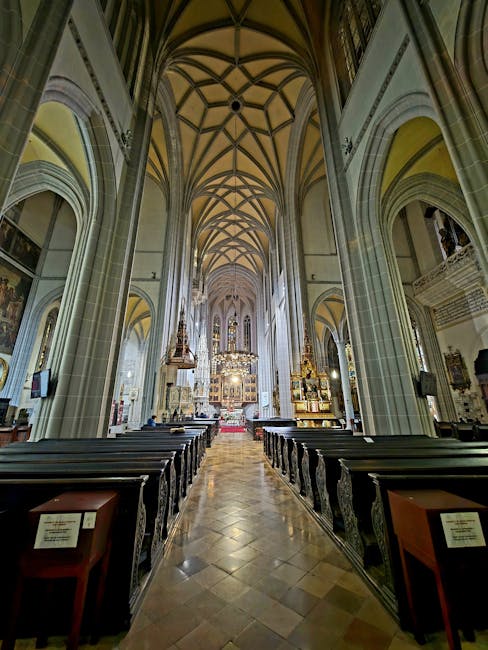
2) Interior and Structure: Vaults, Piers and Mastering the Loads
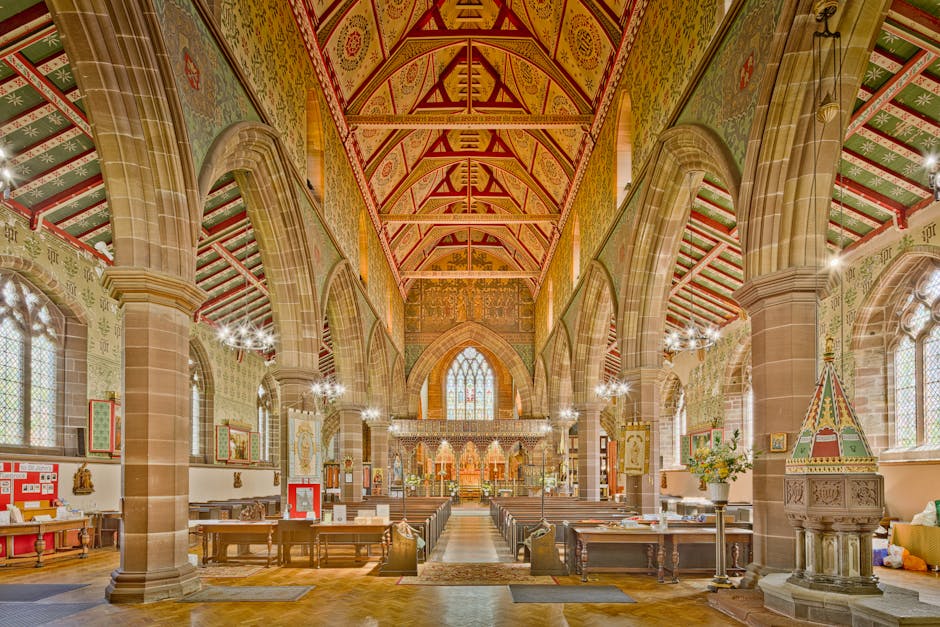
Inside, the Basilica di San Nicola has a long, luminous central nave flanked by two lower side aisles — typical of the basilican plan adapted to the local Romanesque language. The central nave’s barrel vaults are carried by transverse arches that spring from massive piers and columns with carved capitals. The arrangement of piers and columns follows a logic of load distribution: the arches transfer the vaults’ thrust to vertical supports, while the thickness of the exterior walls absorbs lateral forces.
One technical secret to look for is the use of internal partitions and inner buttresses to counter thrust. Some areas show patched masonry — visible joints and different materials — evidence of later interventions, sometimes after partial collapses caused by earthquakes. The basilica underwent several consolidation phases, notably in the 15th and 19th centuries, when iron reinforcements and modern tie-rods were inserted to stabilize the structure.
How light is handled is also revealing: high windows in the side walls let in low-angle light that highlights the stone textures and the gilding on the main altar. The floor, often made of local stone slabs, shows wear from pilgrims’ footsteps. At the center, the presbytery and choir present a series of level changes — raised platforms that separate the sacred area from the nave — and the presence of a rood screen or reused medieval liturgical elements.
Practical tip: walk slowly down the central nave to spot differences in stone and visible restorations. Audio guides and explanatory panels (sometimes in Italian and English) can help you understand the structural interventions. Entrance to the basilica is usually free, but access to certain museum areas or specialized guided tours may be charged (expect around €3–€5 for the Museo Nicolaiano).
3) The Crypt and Reliquary: Underground Architecture and Relic Conservation
One of the most fascinating areas of the Basilica di San Nicola is the crypt that houses the relics of Saint Nicholas. Located beneath the choir, the crypt is an ancient subterranean space characterized by lower vaults, squat piers and a dim atmosphere carefully managed for conservation. The address for planning your visit is the same: Piazza San Nicola, 70122 Bari BA, Italy, and access to the crypt is through the interior of the basilica.
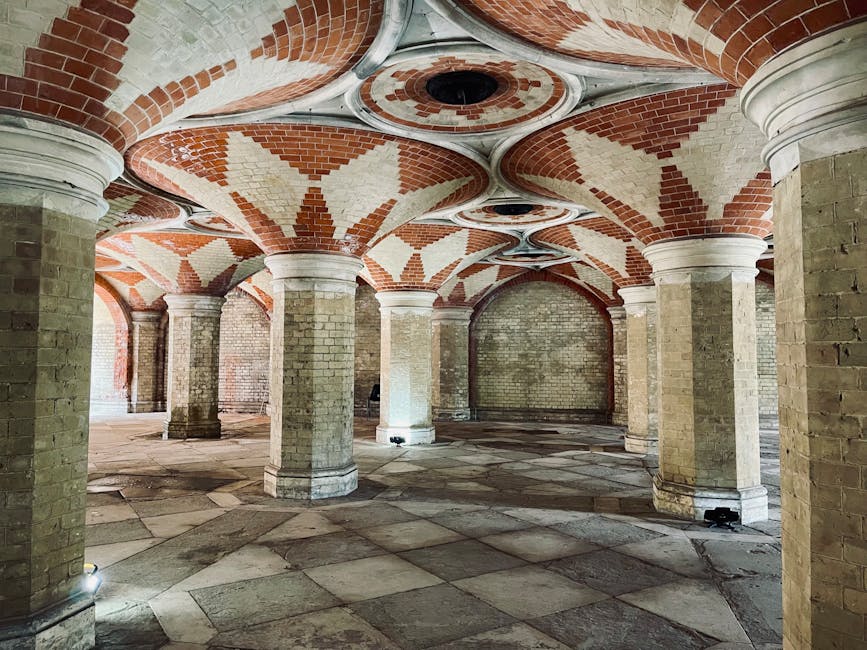
Architecturally, the crypt plays a crucial structural role: it supports the choir and distributes the upper loads onto a network of stone piers. The low vault heights contribute to the rigidity of the system and reduce deformation. Additionally, the crypt creates microclimatic conditions favorable to preserving bones and liturgical objects: stable temperature, controlled humidity and partial darkness. The basilica’s treasury managers follow conservation protocols such as sealed display cases and controlled ventilation systems.
Access to the crypt is possible during the basilica’s opening hours; crowds swell during liturgical celebrations, notably Saint Nicholas’s feast day (December 6) and Holy Week. Entry to the crypt is often free, though donations for conservation are suggested. Researchers or specialist groups should contact the Museo Nicolaiano in advance: Museo Nicolaiano, Piazza San Nicola 13, 70122 Bari (museum ticket: €3.00, reduced €2.00; hours subject to change).
Local tip: for a more intimate experience, visit late in the afternoon, just after Mass, when the crypt is quieter. Respect the silence rules and avoid flash photography in the sacred space. If you’re interested in conservation, ask at reception whether there are displays on recent restoration campaigns; small temporary exhibits often detail the consolidation methods used.
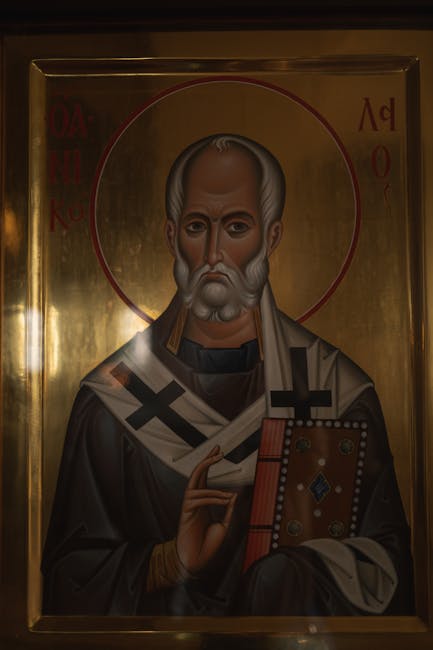
4) The Treasury, Liturgical Objects and the Museo Nicolaiano: Material Witnesses of a Millennial Cult
The Basilica di San Nicola preserves a rich treasury of liturgical objects: embroidered chasubles, chalices, goldsmith reliquaries, ivory plaques and illuminated manuscripts. Many of these pieces are exhibited in the Museo Nicolaiano (Museo Nicolaiano, Piazza San Nicola 13, 70122 Bari BA, Italy), adjacent to the basilica. The museum offers a material reading of the cult of Saint Nicholas and the everyday life of the religious communities that animated the basilica.
The museum is generally open to the public for a modest fee (around €3.00, reduced €2.00 for students and seniors; free entries according to local provisions), with hours that typically align with the basilica — usually morning and afternoon, though it’s best to check updated times on site or via the Parrocchia di San Nicola website. Display cases include explanatory labels in Italian and often English, describing provenance, dating and liturgical use.
From an architectural perspective, the display room tries to contextualize objects: supports, lighting and presentation materials are chosen to replicate conservation conditions while highlighting details. The museum route traces stylistic evolution in metalwork — from Byzantine styles to Baroque influences — and explains how many elements of the treasury were offered by pilgrims and crusaders. The reliquaries, often gilded silver, show how the cult of relics drove prestige and local economy.
Practical advice: combine your visits to the basilica and the museum for a full picture. Audio guides or brochures available at the Museo Nicolaiano enrich the visit. If you have a special interest in metalwork, ask whether a special presentation is scheduled; conservators sometimes run short talks. Finally, buy a paper guide at the museum shop: for about €5–€10 you’ll leave with illustrations and information useful for further architectural reading of the site.
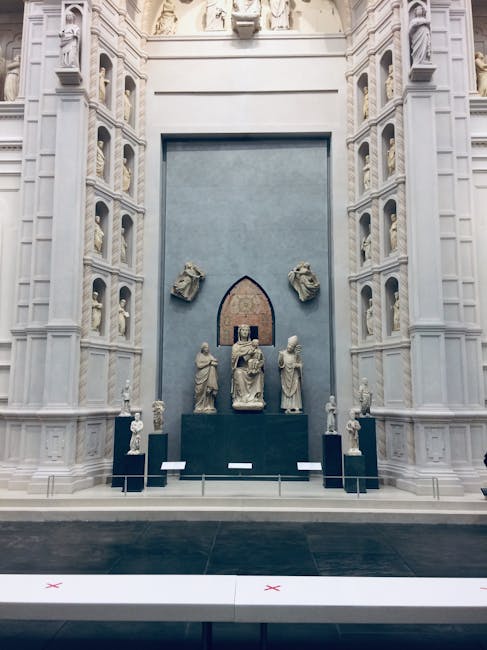
Conclusion: Reading the Basilica di San Nicola as a Built Text
Visiting the Basilica di San Nicola in Bari is more than admiring a beautiful building: it’s about reading a built text that recounts a thousand years of history, art and faith. Every element — from the rough stone of the façade to the treasury’s gilding — offers a key to understanding how communities designed, transformed and preserved this sacred place. Apulian Romanesque architecture, despite its apparent simplicity, hides technical and symbolic subtlety: load management through arches and piers, liturgical orientation of spaces, and restrained volumes that celebrate light and art.
Informed visitors will appreciate how the basilica and the Museo Nicolaiano (Piazza San Nicola 13, 70122 Bari BA, Italy) complement each other, where objects and museum explanations close the loop between stone and ritual. For a successful stay in Bari, note typical opening hours (the basilica: roughly 7:00–12:00 and 16:00–19:00; Museo Nicolaiano: variable hours, ticket ≈ €3.00), follow the crypt’s visiting rules and choose less busy times to fully enjoy the atmosphere.
Finally, keep a few local tips in mind: dress respectfully for access to liturgical areas, avoid the peak tourist season if you want peace, and take time to stroll around Piazza San Nicola to appreciate the monument’s scale and visual impact from the outside. The cafés and bookshops of old Bari sell guides and maps that nicely complement your visit. By understanding the architectural and historical mechanics of the Basilica di San Nicola, you turn a tourist stop into a lasting learning experience, rich in discoveries and emotions.