





Introduction: Pilgrim Chronicles at the Basilica di San Nicola
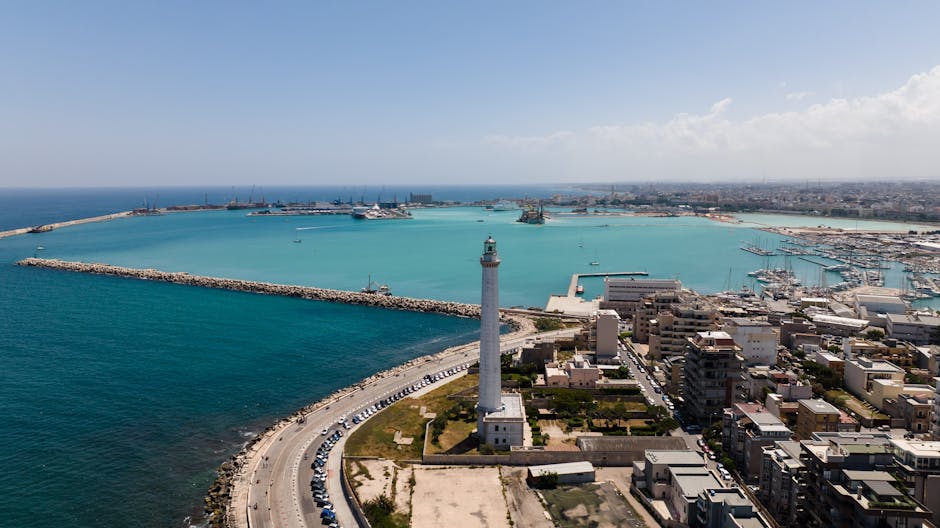
Arriving in Bari, you first feel the sea — the Adriatic stretching out like a blue promise at the end of the Lungomare Nazario Sauro — then you discover a city that preserves the memory of routes and relics. The Basilica di San Nicola, tucked into the heart of Bari Vecchia, is more than a monument: it’s a meeting point of spirit, history and humanity. For a pilgrim, whether traveling for faith, curiosity or to follow in the footsteps of thousands before them, San Nicola is a crossroads where Eastern and Western traditions meet, where pilgrims of old wrote their chronicles in stone and where people still whisper wishes in many languages.
My story begins on a spring morning, when the old town lanes still smell of night-time damp and the dough of freshly made orecchiette. The port, the fishermen, the bells of the basilica ringing across the square: everything combines to create an atmosphere where the sacred and the everyday are woven together. San Nicola is famed as much for its gilded statue and its relics as for its historical role: bishop of Myra in the 4th century, Saint Nicholas (San Nicola) is the bridge between Bari and Byzantine East, between miracle and maritime tradition. His relics, moved from Myra to Bari in 1087, turned the city into a pan-European pilgrimage site, drawing kings, sailors, merchants and beggars.
This piece aims to be an immersive chronicle, blending sensory description, practical information and pilgrimage tips. You will find exact addresses (so you knock on the right door), indicative opening times (to plan your days), prices in euros (tickets, donations, guided tours) and local recommendations to fully experience the place. I also describe the path to the crypt, the scent of candles, the warmth of a sunbeam on the mosaics, a fleeting shared prayer, the fervor of the May 9 processions — the day of the translatazione of the relics — and the everyday gestures: sitting on the Lungomare parapet, tasting a focaccia barese, asking for a blessing.
Whether you’re a believer, a history buff, a photographer hunting light or an urban walker, this account will guide you step by step. It’s meant to be read as much as lived: follow the practical markers for your visits, note down addresses and times, keep the local advice on how to dress for a place of worship, the small rules of respect in the crypt, and above all leave space for the unexpected — an unusual Mass, a Byzantine chant, a chance encounter with a passionate guide. Here, then, are the chronicles of a pilgrim at the Basilica di San Nicola in Bari: a walk between stone and sea, prayer and discovery.
History and Spiritual Significance of the Basilica di San Nicola
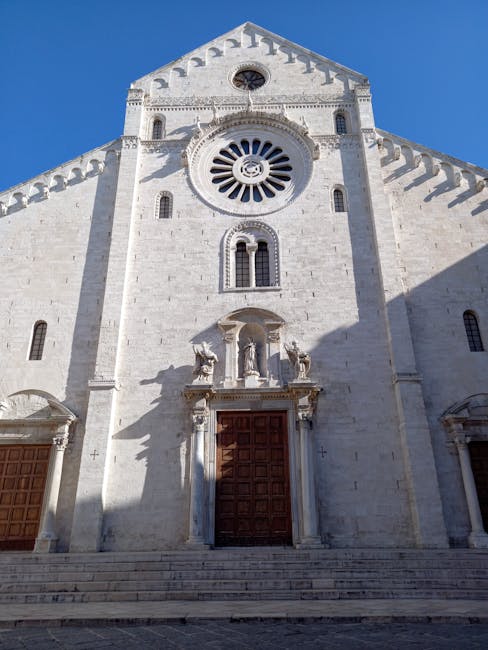
The Basilica di San Nicola stands at Piazza San Nicola, 13, 70122 Bari BA, Italy. Built between 1087 and 1197, the Romanesque basilica was constructed to house the relics of Saint Nicholas of Myra, whose transfer to Bari in 1087 is one of the best-known episodes of medieval pilgrimage. The Trani stone façade, the solidity of the walls and the balanced Roman volumes show Norman and Lombard architecture mixed with Byzantine influences. The basilica’s three-aisled basilica plan, the square bell tower and the large rose window draw the eye to a center that is both liturgical and symbolic.
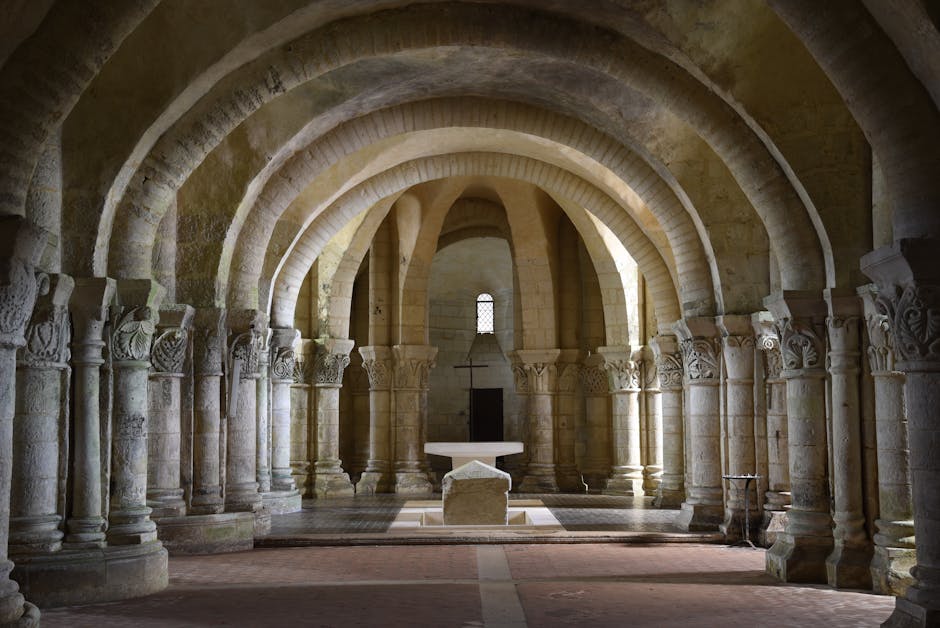
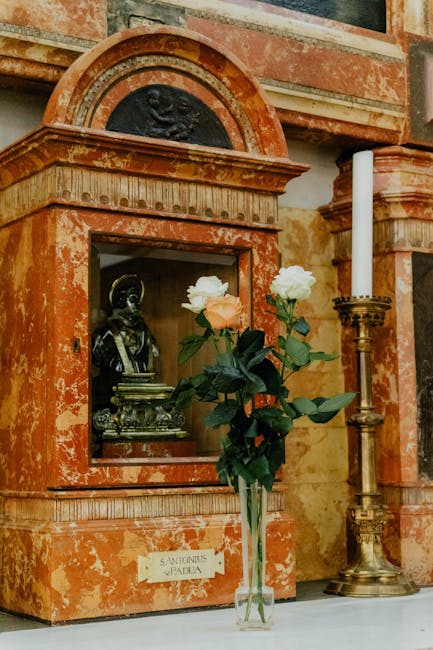
The crypt is the soul of the basilica: it’s where San Nicola’s relics rest. Access is usually from inside the church, by descending a vaulted staircase. The atmosphere is dim; candles cast halos of light on the damp stone. Pilgrims leave ex-votos, photos, letters and sometimes shoes — concrete gestures of gratitude or supplication. The basilica is also a meeting place between Western Catholics and Orthodox Christians: veneration of Saint Nicholas links the two traditions, which explains the presence of both Eastern and Latin liturgical elements.
Over the centuries the basilica has undergone restorations and additions — notably to the cloister and the treasury — yet it has retained remarkable architectural coherence. The « Tesoro della Basilica di San Nicola » (the treasury) houses medieval pieces, reliquaries and precious liturgical ornaments. Historians and sacred art lovers will find objects that tell the story of pilgrimage economies, the patronage of Neapolitan and Lombard families, and the movement of materials between East and West.
The spiritual significance goes beyond suffering or glory: for many, San Nicola is the protector of sailors, children and travelers. The principal feast days are December 6 (Saint Nicholas’s feast) and May 9 (the translatazione), two important dates when Bari comes alive with processions, solemn Masses and an influx of national and international pilgrims. For today’s visitor, the basilica remains a window onto medieval Europe but also a living place where tradition and daily life meet.
The Pilgrimage Today: Routes, Opening Times, Prices and Practical Tips
To plan a pilgrimage to the Basilica di San Nicola it’s useful to know rough opening times, typical costs and a few common-sense tips. Address: Basilica di San Nicola, Piazza San Nicola 13, 70122 Bari BA, Italy. Entry to the church: access to the main nave is usually free. Tickets may be required to visit the treasury, some temporary exhibitions or guided tours of the crypt.
- Typical opening hours (indicative): the basilica usually opens from 7:00 to 12:30 and from 16:00 to 19:00 on weekdays; hours may be extended for religious celebrations and in high season. The crypt may be accessible from 9:00 to 12:00 and from 15:30 to 18:30 depending on the day. It’s recommended to check times on the official site or with the parish office before you go.
- Prices: entry to the basilica is free. The Museo/Tesoro della Basilica often charges an entrance fee: between €3 and €6 for adults. Guided tours (in Italian, English or other languages) typically cost between €5 and €12 per person depending on length and guide expertise. Donations for the crypt or special visits are usually optional.
- Combined tickets: some tourist routes that include the Castello Normanno-Svevo or the Teatro Margherita offer combined rates. For example, Castello Svevo (Piazza Federico II di Svevia, 70122 Bari) often has an entrance fee around €6 (full price) and €3 (reduced); combinations vary by season.
Practical tips: come early in the morning to avoid crowds, especially on solemn Mass days. Dress respectfully if you plan to enter the place of worship: shoulders covered, trousers or skirts of reasonable length. Avoid large bags and carry some cash for donations and purchases at the treasury. If you want to take photos, observe local rules (some areas of the crypt or the treasury may have photography restrictions).
For pilgrims with reduced mobility: the basilica sometimes has accessible entrances, but the crypt, with its ancient stairs, can be hard to reach. Contact the parish office (Basilica di San Nicola, Piazza San Nicola 13; phone: +39 080 521 8207 — number indicative) prior to your visit to arrange assistance. Transport: Bari’s central station (Stazione di Bari Centrale, Piazza Aldo Moro, 70122 Bari) is about 1.5 km from the basilica, roughly a 20-minute walk; taxis are available outside the station and city buses (AMTAB) serve the historic center.
Visiting the Basilica and Nearby Sites: Detailed Route and Sensory Experiences
Start your visit in Piazza San Nicola, an open space that lets you admire the basilica’s façade and bell tower. Exact address: Piazza San Nicola 13, 70122 Bari BA. Take time to study the stone details, the rose window and the carved portals. Step into the main nave: the light filtering through the windows reveals the patina of time on the columns and mosaics. Silence is often broken by the rustle of hymn books or a whispered word: the atmosphere is both contemplative and alive.
Then descend to the crypt, the focal point of the pilgrimage. The crypt houses San Nicola’s tomb: a solemn space where the faithful approach to touch, pray and leave votive offerings. Gold and silver reliquaries, seafarers’ ex-votos (chapels of the sailors) and medieval inscriptions tell stories of lives, voyages and miracles. A guided visit of the crypt can help you grasp the historical details: average duration 30 to 45 minutes.
The Tesoro della Basilica di San Nicola (Treasury) is often nearby, sometimes in an adjacent room. Access is generally via the church interior; check with the visitor desk at the entrance. The treasury displays reliquaries, embroidered liturgical garments, illuminated manuscripts and pieces of goldsmithing. Glass cases protect rare items while information panels (often in Italian and English) place these objects in their historical context.
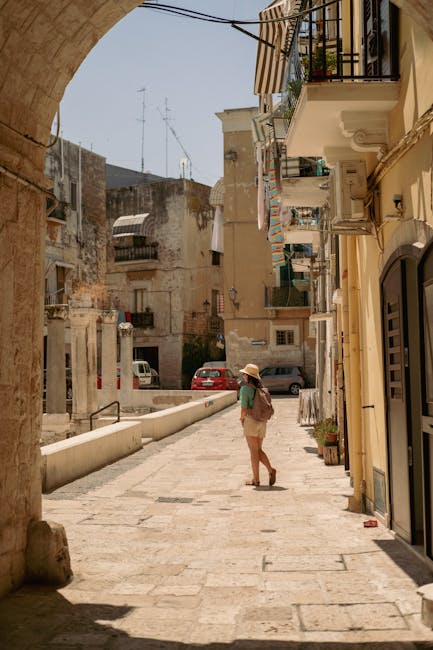
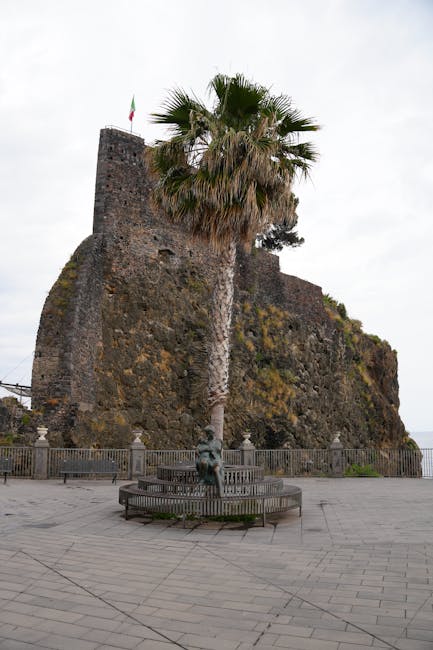
After the indoor visit, wander Bari Vecchia: narrow lanes, white houses, small family-run trattorias and local life flowing at its own pace. About 600 meters away is the Castello Normanno-Svevo (Piazza Federico II di Svevia, 70122 Bari) — a fortified castle hosting exhibitions and offering views of the sea. The Teatro Margherita (Lungomare Nazario Sauro, 70121 Bari) is another cultural spot often used for temporary exhibits.
- Castello Normanno-Svevo: Piazza Federico II di Svevia, 70122 Bari. Opening hours: generally 9:00–19:00; price: around €6 full, €3 reduced.
- Teatro Margherita: Lungomare Nazario Sauro, 70121 Bari. Hours vary by exhibition; entry depends on the event, often free or €3–8.
- Lungomare Nazario Sauro: a coastal promenade ideal at sunset, open 24 hours, free of charge.
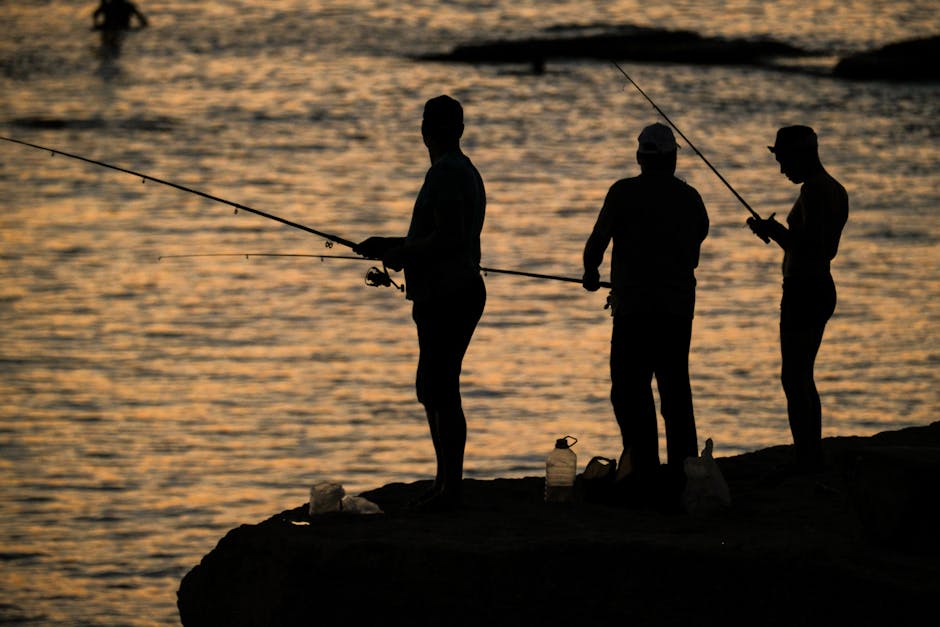
Finish with a moment of rest on the Lungomare parapet facing the sea, where fishermen mend their nets and children play. Try the focaccia barese (from a street stall or by the port) and let the sun warm the limestone. Pilgrims often leave with something more than photos: a sense of deep history, a calmer gaze and sometimes a small blessed medal or a postcard stamped in Bari.
Local Life, Food and Tips to Extend Your Pilgrimage in Bari
Bari is a city of contrasts: between the modern port activity and the ancient lanes, between religious fervor and the slow rhythm of its cafés. To lengthen your pilgrimage, immerse yourself in local life. Here are addresses, opening times and concrete recommendations for eating, sleeping and getting around.
Food: Barese cuisine is simple and generous. Don’t miss these specialties:
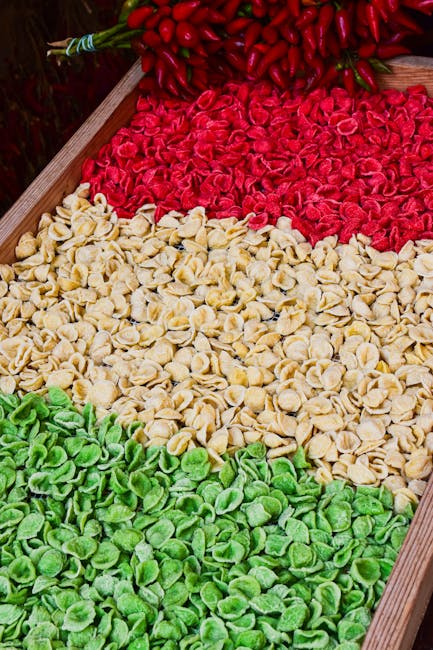
- Orecchiette alle cime di rapa — fresh orecchiette with broccoli rabe shoots. Where: Trattoria La Cecchina (example local address: Via Sparano da Bari, very close to the center), typical price for a dish: €8–12.
- Focaccia barese — sold by the piece at many bakeries and stalls; price: €1.50–€3.50 depending on size.
- Pesce fresco — fresh fish and seafood at the quay market (Mercato del Pesce, near the port); enjoy it in seaside trattorias, dishes €10–25.
- Pasticciotti — small cream tarts served with coffee, price: €1.20–€2.50 depending on the pastry shop.
Accommodation: to live the pilgrim experience, staying in Bari Vecchia is ideal. Practical suggestions: there are B&Bs and small hotels tucked in the lanes (off-season rates around €50–90 per night for a double room; high season €80–160). Hostels and Airbnb rentals are economical alternatives (€25–60 per night for a dorm bed or a simple studio).
Transport: Bari is very walkable, but to explore the Apulia region (Alberobello, Polignano a Mare, Matera) you might rent a car at Stazione di Bari Centrale or book organized excursions. Local buses (AMTAB) and regional trains (Trenitalia, Ferrovie del Nord Barese) connect nearby towns. Taxis: base fares in town hover around €3–5 plus €1.20–2 per km; take a taxi from the station to avoid lugging suitcases through narrow alleys.
Local advice:
- Respect Mass times and enter quietly during services.
- For interior photos, check the signage; flash may be forbidden in parts of the treasury or crypt.
- Bring a hat and water, especially in summer: the sun can be intense on the cobbles.
- If you attend the May 9 procession, arrive early: crowds are large and the best spots in Piazza San Nicola fill up quickly.
Events not to miss: the feast of San Nicola (December 6) and the translatazione (May 9). During these days the basilica hosts solemn Masses, processions and cultural events. Pilgrims come from Greece, Russia, France and other European countries: the atmosphere is interconfessional and deeply moving.
Conclusion: After the Visit — Reflections of a Pilgrim
The Basilica di San Nicola in Bari is not just a place to tick off a list; it’s an experience that changes the traveler. Leaving the square you take away more than photographs: you carry the symbolic weight of a millennia-old story, the feeling of walking in the footsteps of thousands of other pilgrims, and often a renewed intimacy with silence and prayer. Touching the crypt’s stone, admiring a reliquary, sharing a moment with a local or another pilgrim — these are memories that last.
Practically speaking, I hope the addresses, times and prices shared here help you plan a visit without surprises: Piazza San Nicola 13 for the basilica, Piazza Federico II di Svevia for the Castello Normanno-Svevo, Lungomare Nazario Sauro for the evening promenade. The prices mentioned (free entry to the nave, €3–6 for the treasury, €6 for the castle) reflect common practice but can vary; it’s always wise to verify information in advance, especially during religious festivals and temporary exhibitions.
Finally, a few personal tips: give yourself time — not just to see, but to listen. Enter a church during Mass, sit on the Lungomare at sunset, taste local food in a family-run trattoria, and buy a small ex-voto if it resonates with you. The pilgrimage to San Nicola is an invitation to slow down, to feel the sea and the stone, to measure time on a human scale and across centuries.
Whether you’re a believer, a history lover, a photographer or a traveler seeking a moving human experience, Bari and the Basilica di San Nicola offer a rich and emotional encounter. Bring comfortable shoes, sincere respect for places of worship, some budget for the treasury and an open mind: the city will repay your steps with warm locals, beautiful lanes and a gentle sea. These chronicles are only a beginning: your own pilgrimage in Bari will write the rest.