





Introduction: Why Photograph the Basilica di San Nicola in Bari
The Basilica di San Nicola, sitting in the heart of Bari, is more than a religious landmark: it’s a photographer’s dream, full of history, texture and shifting light. Built between 1087 and 1197 to house the relics of Saint Nicholas, it dominates Piazza San Nicola, 70122 Bari BA, Italy, facing the old town (Bari Vecchia) and a short stroll from the seafront promenade, the Lungomare. The mix of Romanesque-Apulian architecture, bas-reliefs, heavy arches and a restrained, softly lit interior gives photographers countless opportunities to capture the spirit of the place.
This guide is written for hobbyists and pro photographers who want to plan a photo route optimized for the best angles, learn how to manage light and respect the sacred nature of the site. We’ll cover recommended times, framing techniques, suggested gear and essential practical info: exact addresses, entry fees, general opening hours (subject to seasonal changes) and local tips to avoid common pitfalls. The basilica is generally free to enter for worship and to visit the nave, while the museums and the treasury may require tickets. As a rule, entry to the Basilica di San Nicola is free, but the Museo Nicolaiano (museum) and the crypt can have specific prices and time slots: budget roughly €3–5 for the museum, depending on temporary exhibitions.
Photographing the basilica also means knowing its surroundings: the nearby Castello Normanno-Svevo (Lungomare Imperatore Augusto, 70121 Bari BA), the Cathedral of San Sabino (Piazza San Sabino, 70122 Bari BA) and the narrow lanes of Bari Vecchia. The best times to shoot the exterior are at dawn and late afternoon, when the limestone takes on warm tones and contrast is most flattering. Inside, natural light filters through high windows creating shafts of light; using a discreet tripod and higher ISO settings lets you preserve the atmosphere without resorting to flash.
1. Preparing Your Visit: Hours, Prices and Practical Access Info
Before you head out on your photo route, it’s essential to know the practical details. Exact address: Basilica di San Nicola, Piazza San Nicola, 70122 Bari BA, Italy. Entrance to the basilica for services or to visit the nave is usually free. Hours can change with the seasons and religious celebrations, but here are some helpful guidelines (check locally or on the official site before you go):
- Typical opening hours for the Basilica di San Nicola: Monday–Saturday 7:30–12:30 and 16:00–19:30; Sunday 7:30–12:30 and 16:00–20:00. Times may be altered during religious holidays (Christmas, Easter, December 6th, Saint Nicholas’ feast day).
- Museum / Treasury (Museo Nicolaiano): connected to the basilica (entrance via Piazza San Nicola). Indicative price: €3.00 for a standard ticket; discounts may apply for students and seniors. Typical hours: 9:00–13:00 and 15:00–18:00 (closed Monday mornings off-season).
- Getting there: the basilica is walkable from Bari Centrale train station (Stazione di Bari Centrale, Piazza Aldo Moro 21, 70121 Bari) in 20–25 minutes via the Lungomare. City buses and taxis are available. If you drive, consider paid parking around Bari Vecchia and along the Lungomare.
Practical tips: arrive 30–45 minutes before sunset to catch the golden tones on the façade. If you’re aiming for dawn, check the weather and local safety—Bari Vecchia can be quiet and dimly lit early in the morning. Bring euros for museum fees and small purchases (cafes, local guides); many small places accept cards, but some stalls in the old town still prefer cash.
2. Must-Shot Angles and Compositions: Exteriors and Perspectives
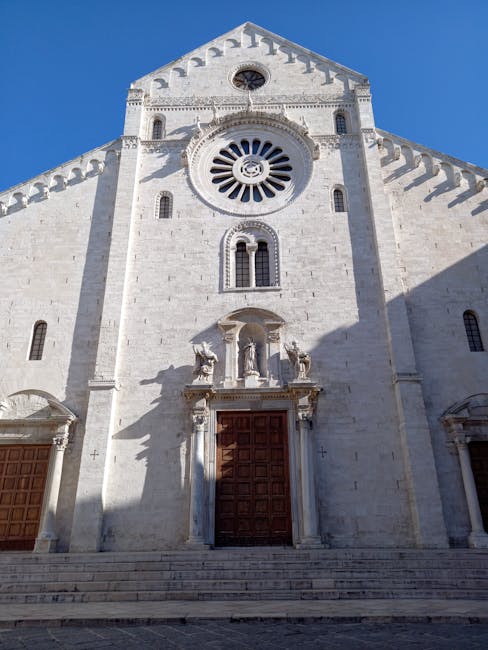
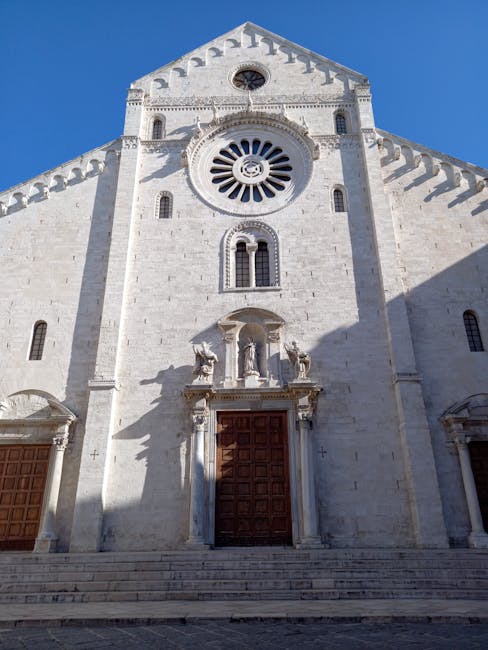
The Romanesque façade of the Basilica di San Nicola is a captivating subject for architectural photography. To frame it well, think about converging lines, symmetry and the relationship between the basilica and Piazza San Nicola. Here are concrete reference points:
- Head-on from Piazza San Nicola: stand in the center to exploit symmetry—the rose window, arches and main doorway make for a balanced composition. Use a moderate wide-angle (24–35mm on full frame) to include the square without excessive perspective distortion. Shooting during the golden hour (30–60 minutes after sunrise or before sunset) will give you soft side light that highlights the stone reliefs.
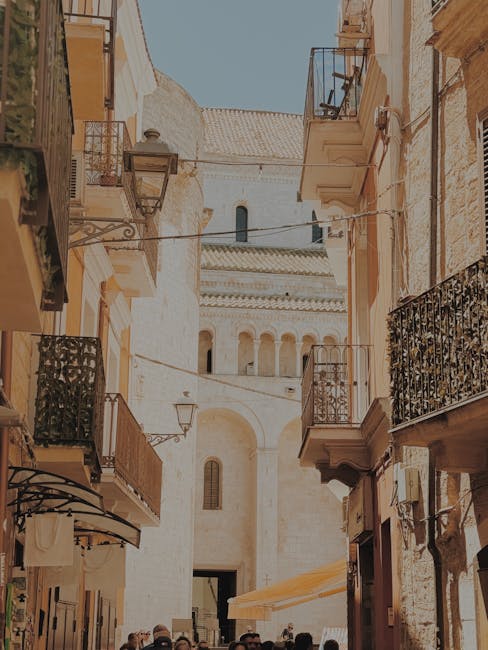
- Oblique angle from the west street: walk toward Via San Francesco d’Assisi to shoot the basilica on the diagonal; this emphasizes the buttresses and massing while bringing local life (vendors, worshippers, passersby) into the frame.
- View from the Lungomare west: step back toward the seafront to include the basilica’s silhouette against the sky and, when the sea is calm, morning reflections. A mid-telephoto (70–200mm) helps isolate architectural details from this distance and compress the planes.
- Black and white shots: the stone’s texture and the play of shadow suit monochrome perfectly. Look for high-contrast compositions (tall windows, deep arches) to emphasize the sculptural quality.
Technical tip: for façades, stop the lens down a bit (f/8–f/11) for edge-to-edge sharpness, and use a tripod if light levels drop. For silhouettes, underexpose the bright background to get a rich sky and a dark subject. Don’t forget human elements for scale: a worshipper entering, a tour guide, or a child playing in the square bring life and narrative to your images.
3. Interiors, Crypts and Details: Capturing the Sacred Atmosphere
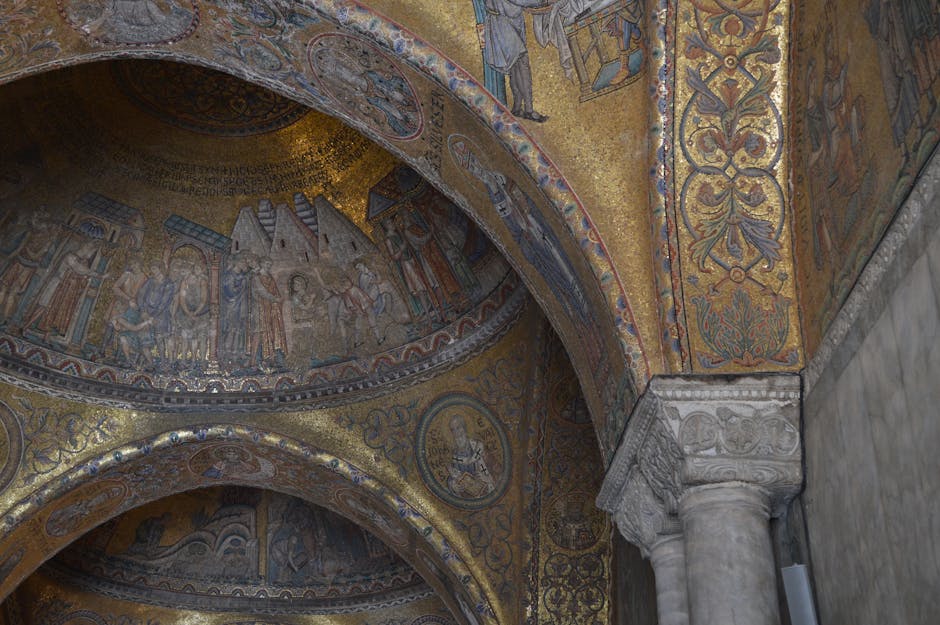
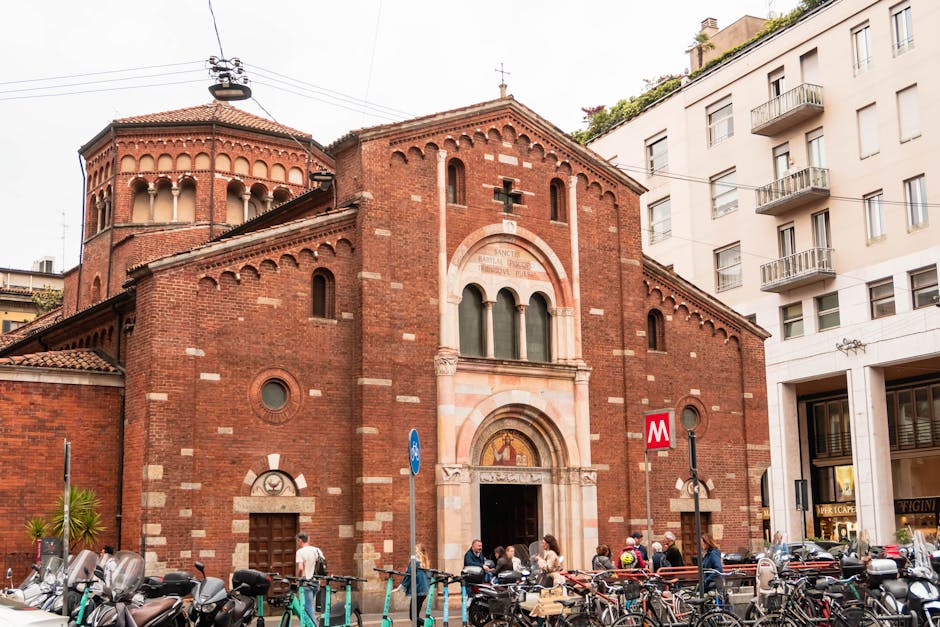
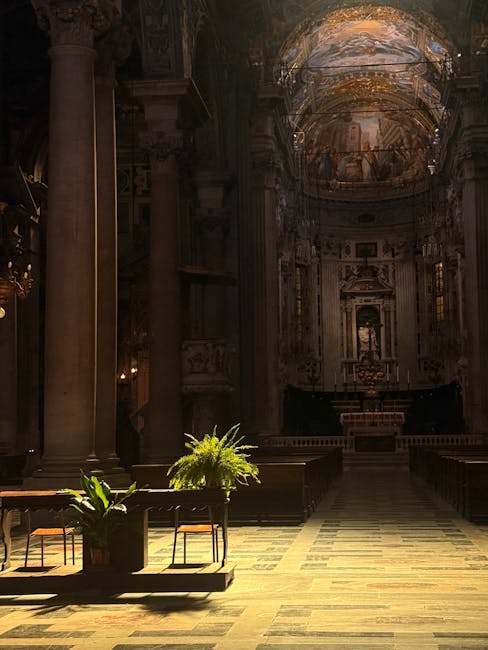
The interior of the Basilica di San Nicola is a masterclass in Romanesque restraint: a sober nave, sturdy columns, side chapels and a crypt that holds the relics. Shooting inside requires tact and respect. Flash is usually prohibited; favor higher ISO, long exposures and a discreet tripod where allowed.
- Main nave: it offers powerful linear perspectives. Use a 24–50mm lens and shallow depth of field to isolate a column or a carved capital. For mood shots, set ISO high (800–3200 depending on your camera) with an aperture around f/4–f/5.6, or use a tripod for lower ISO and maximum sharpness.
- Crypt: often darker and highly atmospheric. Wet stones, reliquaries and filtered light make for intimate images. Check access: the crypt may have specific hours and separate tickets; expect a museum/crypt fee of around €3–5.
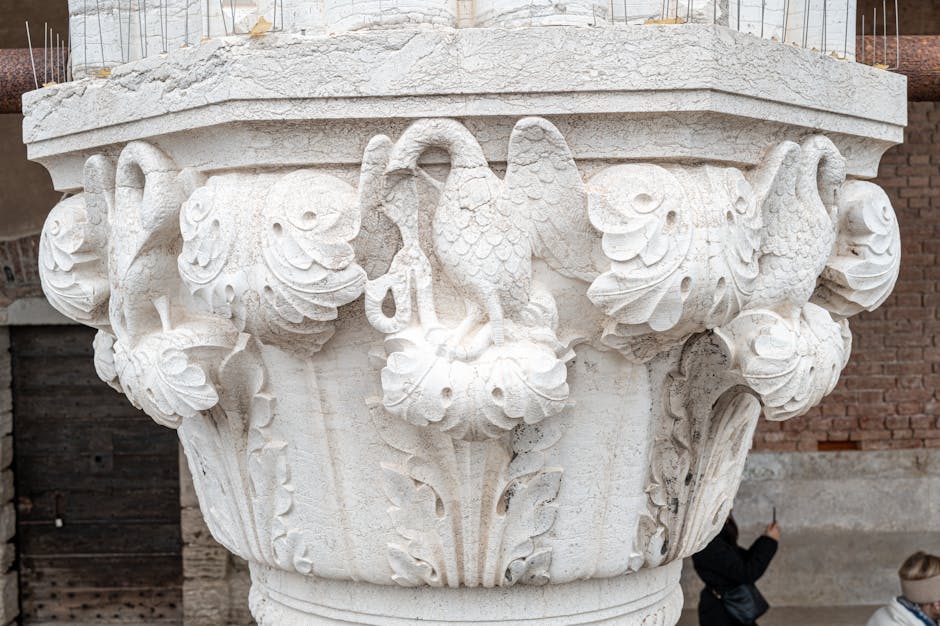
- Carved details and reliquaries: get close to capitals and sculptures for portrait-orientation shots. Use a 50–85mm focal length to avoid distortion. Focus carefully on sculpted faces, Latin inscriptions or worn stone to tell the story of time passing.
Be respectful: adapt to service times (masses, prayers) and follow any photo bans during ceremonies. Ask permission before photographing people up close. If you’re working with models, speak to the clergy to avoid disturbance. Make the most of natural light from stained glass and high openings to create layered lighting—late afternoon often produces stunning rays that cross the nave and highlight the dust motes in the air.
4. A Photo Route Around the Basilica: Combine Nearby Spots and Local Breaks
The Basilica di San Nicola anchors a compact photographic playground: Bari Vecchia, the Lungomare, Castello Normanno-Svevo and the Cattedrale di San Sabino offer complementary subjects to extend your session. Here’s a practical route that maximizes shots and time:
- Morning — Dawn on Lungomare Imperatore Augusto: start on the seafront (Lungomare, near Castello Normanno-Svevo, Lungomare Imperatore Augusto, 70121 Bari BA, Italy) for wide compositions including the castle silhouette and horizon line. Castello opening hours are generally 9:00–19:00, with an indicative ticket price of €6.00. Sea air and morning light give a soft contrast between water and stone.
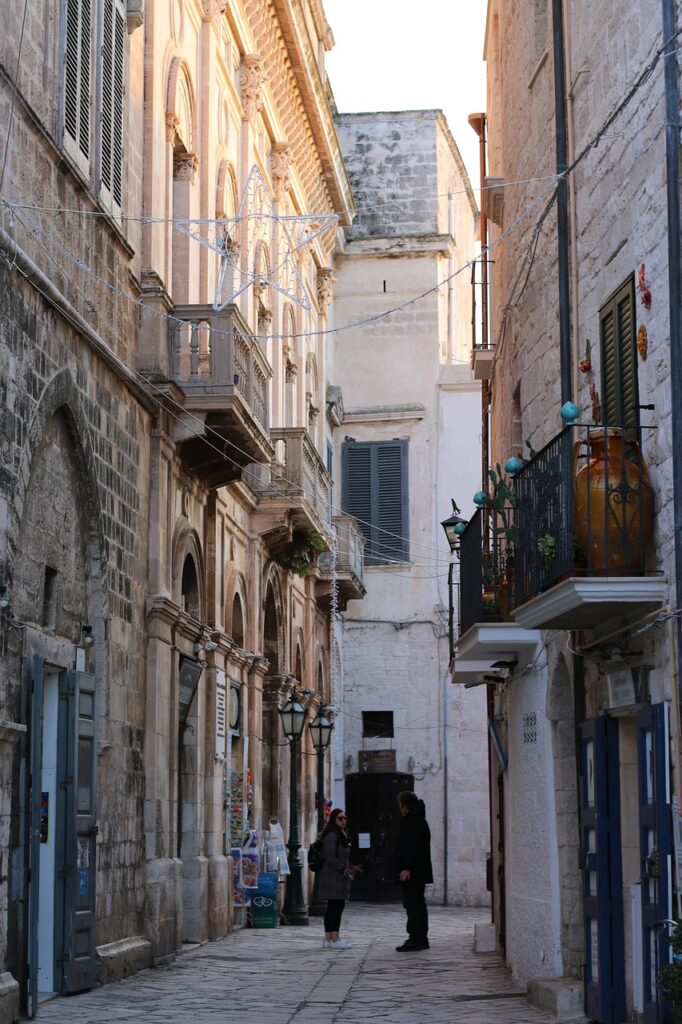
- Mid-morning — Bari Vecchia: wander the alleys (Via Venezia, Via Roberto il Guiscardo) for candid shots of daily life: women making orecchiette, tiny shops and cats on whitewashed walls. Helpful address: Via Venezia, 70122 Bari BA. Local cafés (espresso ~€1–1.50) are perfect for a break.
- Afternoon — Basilica façade & Museum: devote time to the Basilica di San Nicola and the Museo Nicolaiano (check opening times/closures). After touring inside, head to surrounding vantage points for low-angle shots and architectural details.
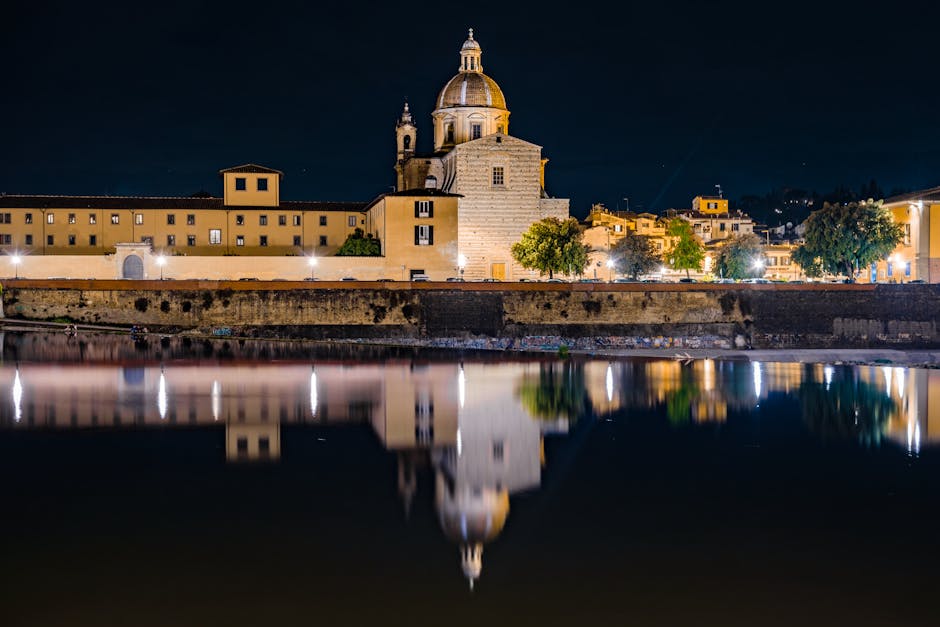
- Evening — Sunset and city lights: return to Piazza San Nicola for the blue hour and the artificial lighting. Street lamps and façade illumination create compelling contrasts; tweak your white balance to avoid overly warm yellow tones.
Local tips: try regional dishes at a traditional Bari Vecchia restaurant like Ristorante Ai 2 Ghiottoni (Via Roberto il Guiscardo 28, 70122 Bari BA) — orecchiette around €8–12, starters ~€5–8. For a quick caffeine boost, stop at a bar near the piazza to recharge. If you plan professional shoots (filming, models, drone), get prior authorization: drone use may be restricted around heritage sites and the coastline.
Conclusion: Key Takeaways and Final Tips for Great Shots
Shooting the Basilica di San Nicola in Bari calls for preparation, respect and an artistic eye. By combining practical knowledge of hours and fees — Basilica di San Nicola, Piazza San Nicola, 70122 Bari BA, Italy (nave entry free; museum/crypt indicative fee €3–5) — with a strategy for scouting angles (head-on façade, diagonals from side streets, views from the Lungomare), you’ll increase your chances of making striking, evocative images.
Remember the essentials: arrive early or stay until the golden hour to take advantage of natural light on the limestone; avoid flash inside to preserve the sacred atmosphere; use a discreet tripod when allowed and adapt your ISO to the situation. Include local life—passersby, markets, artisans—to enrich your series and tell the living story of the place.
Finally, always respect religious and cultural rules: ask before photographing people close-up, avoid disrupting services, and check in advance for permissions for professional shoots. Bari offers plenty beyond the basilica: Castello Normanno-Svevo (Lungomare Imperatore Augusto, 70121 Bari BA), Cattedrale di San Sabino (Piazza San Sabino, 70122 Bari BA) and the lanes of Bari Vecchia round out a perfect photo route. With these practical, technical and ethical pointers, you’ll be ready to capture the Basilica di San Nicola at its best and bring home images that reflect both the architecture and the soul of Bari.