





Introduction — A Food & Culture Walking Guide to Bari’s Museums
Bari, the capital of Puglia on the Adriatic coast, is a place where history, faith and the sea blend with a simple, generous food tradition. For curious travelers who like to combine cultural visits with culinary delights, Bari is an ideal playground: imposing and intimate museums, medieval churches full of stories, and narrow streets where markets and small family-run trattorie reveal themselves. This food-and-culture itinerary is designed to guide you step by step through Bari’s unmissable museum sites, pairing each visit with a nearby food spot or local product to try, along with practical tips on opening hours, prices and insider advice.
The route focuses on the Città Vecchia (old town), the seafront (lungomare) and the modern center, all easily reachable on foot. You’ll visit emblematic places such as the Basilica di San Nicola, which welcomes pilgrims and visitors for its treasure of sacred art; the Castello Svevo — a reminder of medieval power and Norman–Angevin presence — as well as museums and exhibition spaces dedicated to visual arts and archaeology. Each cultural stop is paired with a culinary break: homemade taralli, topped focaccia barese, fresh orecchiette, grilled local fish, and sweets like pasticciotti or seasonal cartellate.
Beyond addresses and opening hours, this guide offers immersive descriptions: what a typical visit feels like, which sections of a museum to prioritize, what to taste nearby, and practical tips (tickets, best times to avoid crowds, transport and restrooms). Prices are in euros and reflect standard admission fees (full price / reduced / free) and hours are indicative based on official information available—check official websites or call ahead, especially during holidays or for temporary exhibitions.
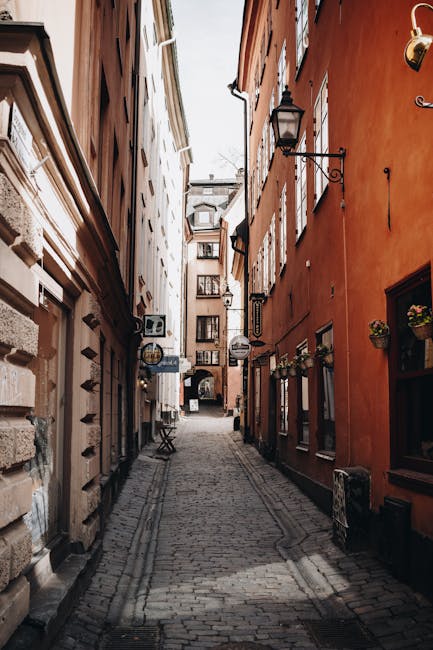
You’ll also find local recommendations to enrich your route: where to buy regional products to bring home, how to spot an authentic focaccia barese, which cafés locals frequent for a quick espresso, and tips for respectful photos in places of worship. This guide is both practical and immersive—perfect for a focused half-day, a full day, or several days dedicated to discovering Bari’s culinary and museum highlights.
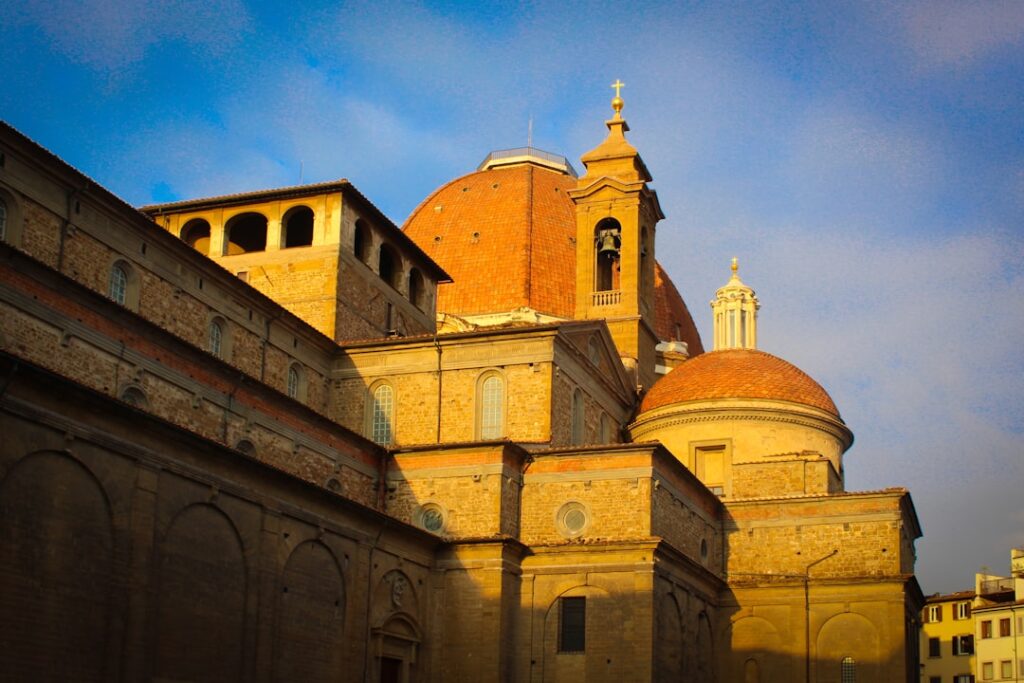
1. Basilica of San Nicola and Monastic Treats Tasting
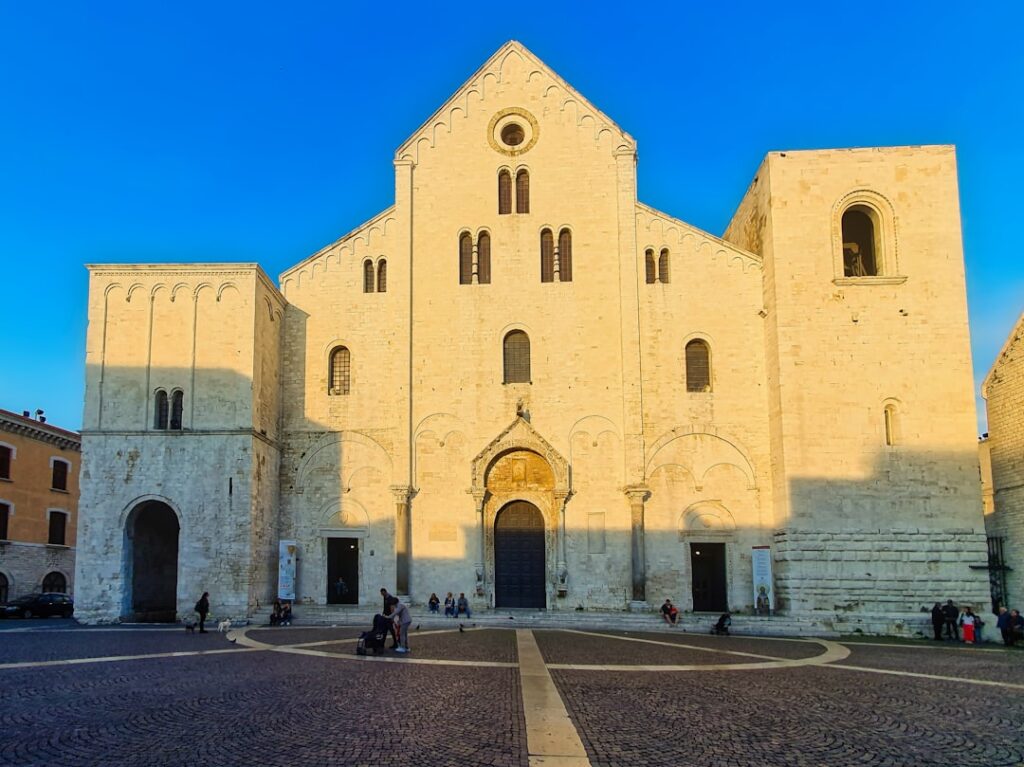
Start your route at the Basilica di San Nicola, located on the piazza that overlooks the old town. Exact address: Piazza San Nicola, 21, 70122 Bari BA, Italy. This Byzantine-Romanesque place of worship draws Christian pilgrims and curious visitors thanks to the relics of Saint Nicholas, its rich treasury and architecture that has stood the test of time.
Opening hours (indicative): usually open 6:30–12:30 and 16:00–19:00. Entry to the basilica itself is free, but visiting the treasury and some associated museum areas may carry a fee: approximate prices to check on site — treasury and chapels admission: €3–6. Treasury opening times may vary with religious services, so it’s best to arrive early in the morning or late in the afternoon for a quieter visit.
Immersive description: stepping across the threshold, you’re immediately struck by filtered light, mosaics and a solemn atmosphere. The basilica’s treasury contains silver and gold liturgical objects, priestly garments and precious manuscripts that speak to pilgrimage routes between Byzantium and the West. Take time to study the carved capitols and reused columns (“spolia”): every detail tells a chapter of Mediterranean history.
Nearby, for your first taste of Bari, head to a traditional shop specializing in monastic sweets and pastries: Pasticceria Tripoli (example address) or a small delicatessen near the piazza. A must-try specialty is the pasticciotto (small custard-filled pastry) and, seasonally, the ficattola. For a savory option, look for focaccia barese stalls — thick, fluffy, topped with cherry tomatoes and olive oil — sold around the Città Vecchia for about €2–4 a slice.
Local tips:
- Visit early in the morning to avoid tour groups and to attend a service if you want to experience the living religious atmosphere.
- For respectful photos, avoid shooting during services and cover your shoulders in the basilica.
- If you want an edible souvenir, buy some taralli (a type of savory biscuit) at a local bakery: a 300 g bag typically costs around €3–5.
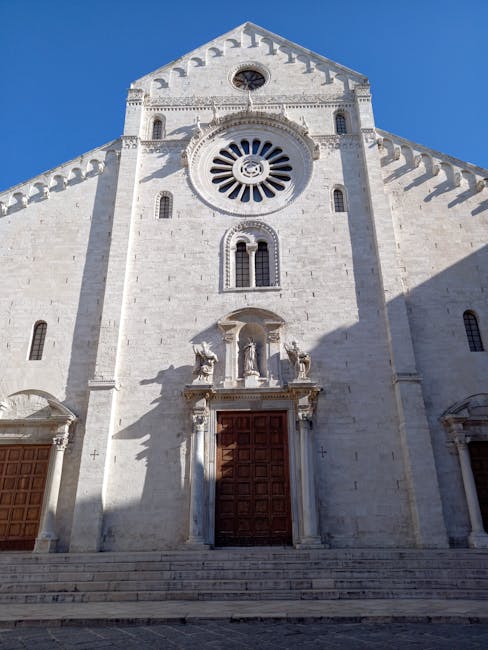
2. Castello Svevo: Medieval History and a Seafood Meal
A short walk from the basilica, the Castello Svevo overlooks the coast. Address: Largo Castello, 70122 Bari BA, Italy. This Norman-Swabian castle, rebuilt several times since the 12th century, houses archaeological exhibitions and museum sections dedicated to Bari’s history and Mediterranean fortifications.
Opening hours (indicative): usually open Tuesday–Sunday, 9:00–19:00 (last entry 18:30). Closed Mondays except for special exhibitions. Admission (indicative): full price €6.00, reduced €3.00 (youth, seniors, groups subject to conditions), free entry for children under 6 and sometimes for residents depending on local policy. Combined tickets may be available when the castle hosts temporary exhibitions.
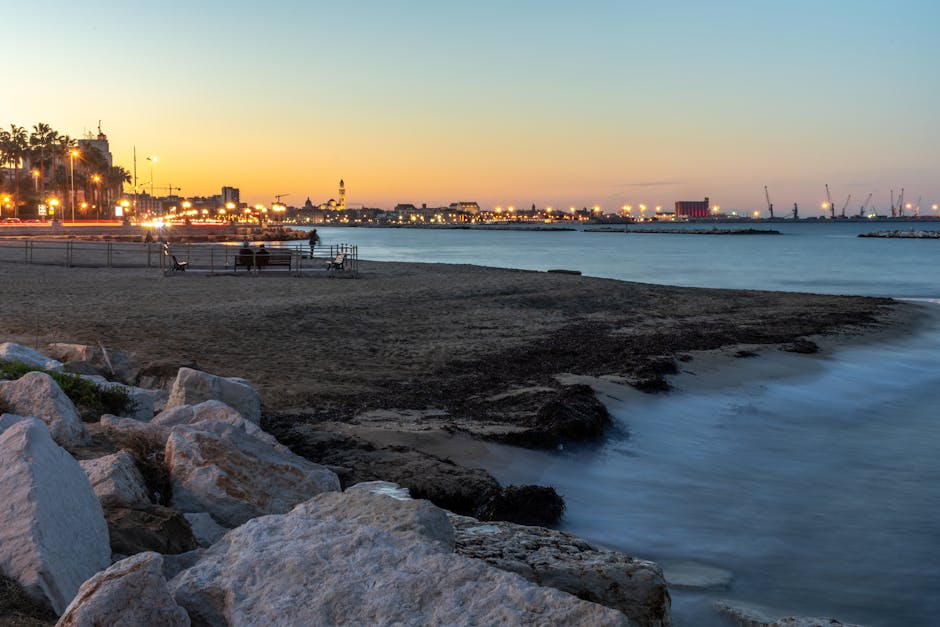
Immersive description: entering the castle’s inner courtyard immediately transports you to another era: thick walls, portcullises and palace rooms unfolding one after another. The archaeological section displays amphorae, ceramics and objects that testify to Bari’s role as a port and trading hub. From the ramparts, the view over the harbor and the lungomare is stunning at sunset — one of the best vantage points for panoramic shots of the Adriatic Sea.
Food pairing: after your visit, treat yourself to a seafood lunch at a restaurant near the port. Two common options:
- Ristorante Al Pescatore (example) – indicative address: Lungomare Nazario Sauro, 70121 Bari. Typical dishes: mixed fried seafood (fritto misto) (about €12–18), grilled fish of the day (€15–25).
- Or a tucked-away local trattoria in the alleys: orecchiette con le cime di rapa (local pasta with broccoli rabe) for about €7–10.
Local tips:
- If you want the freshest catch, ask for the “pesce del giorno” (fish of the day): simply grilled and served with local olive oil and lemon.
- Book a table if you’re coming on weekends or in high season — waterfront places fill up quickly at sunset.
- Take a stroll along the lungomare after your meal, and finish with a gelato.
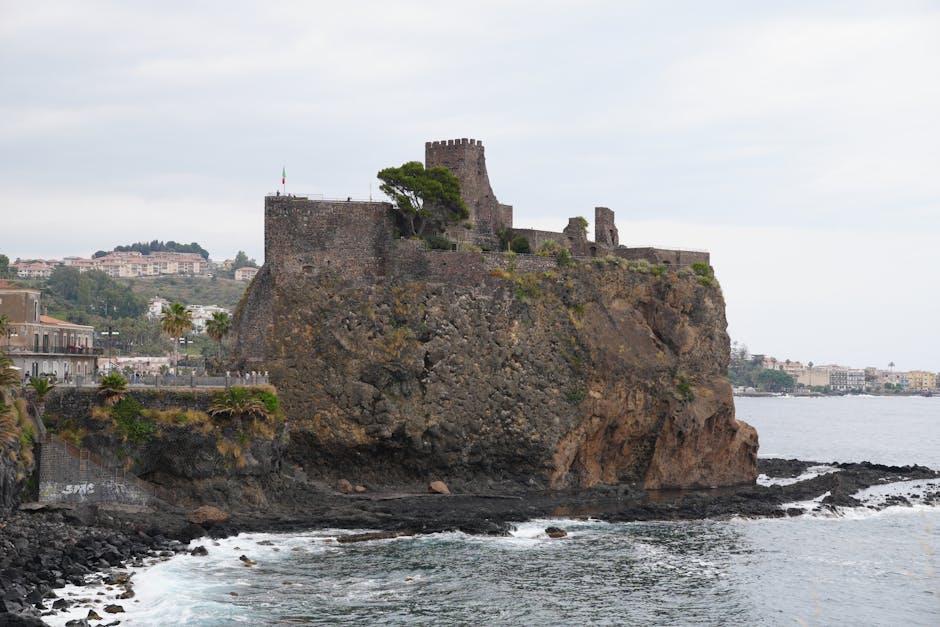
3. Teatro Margherita and the Pinacoteca: Modern Art by the Sea
The Teatro Margherita, located directly on the lungomare, is an iconic building converted into an exhibition space and cultural center. Address: Lungomare Nazario Sauro, 2, 70121 Bari BA, Italy. Built in the early 20th century on stilts, it features original architecture and regularly hosts modern art shows, photography and temporary installations.
Opening hours (indicative): vary with exhibitions; generally open 10:00–20:00. Admission: often free or charged for special exhibitions (€5–10). Check the city’s cultural program or the local Soprintendenza’s website before your visit.
Immersive description: the theatre, with large windows facing the sea, is a luminous space. Exhibitions are designed to converse with the seascape; it feels like the artworks breathe with the rhythm of the waves. The place is particularly photogenic at sunrise or sunset, when light plays on the white façade and the water below.
A short walk away is the Pinacoteca Metropolitana di Bari (Palazzo della Pinacoteca) — a space devoted to paintings and municipal collections. Indicative address: Piazza del Ferrarese, 70122 Bari BA, Italy (municipal museums are spread out; check the exact location and temporary exhibitions). Admission: full €4–8, reduced €2–5, with possible free days each month.
Food pairing: for an artful snack, stop at one of the historic cafés in the center for an espresso or cappuccino accompanied by a local pastry (about €2–4). Cafés along the lungomare serve pastries inspired by tradition, sometimes reinterpreted by young pastry chefs.
Local tips:
- Consult the Teatro Margherita exhibition calendar — it often hosts maritime photography and contemporary artist retrospectives.
- In summer evenings, open-air events and concerts take place along the lungomare; it’s a great time to extend your visit into a lively night out.
- If you’re into photography: favor golden hour light to capture the theatre and the sea.
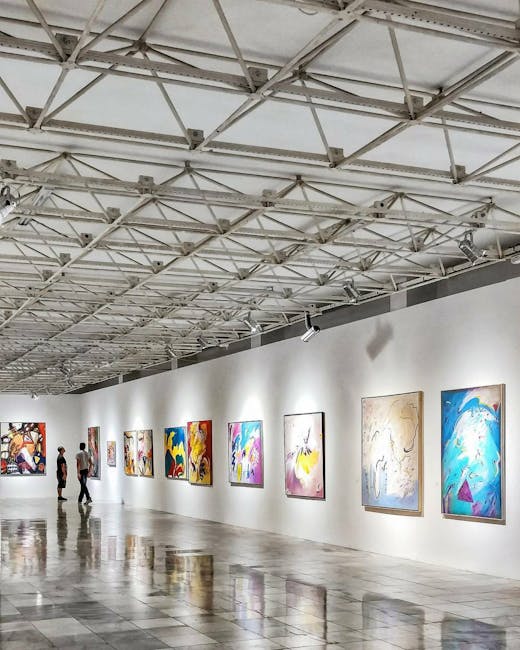
4. Diocesan Museum and Cooking Workshops: Sacred Heritage and Orecchiette Classes
The Museo Diocesano di Bari houses sacred art, sculptures, paintings and liturgical objects arranged to contextualize the region’s religious history. The museum is traditionally located in the heart of the historic center, close to the Duomo. Indicative address: Piazza del Duomo, 70122 Bari BA, Italy (check the exact entrance according to municipal signage).
Opening hours (indicative): generally 9:30–13:00 and 16:00–19:00, closed Mondays. Admission (indicative): full €3–6, reduced €1.5–3. The collections often include temporary thematic exhibitions on liturgy, medieval sculpture and goldsmith workshops.
Immersive description: the diocesan museum is ideal for those who want to understand the links between faith, art and society in Bari. The rooms tell the story of local religious life, devotion to Saint Nicholas and the role of church music. Some objects, like finely crafted reliquaries, reveal exchanges with the Christian East and Byzantine influences.
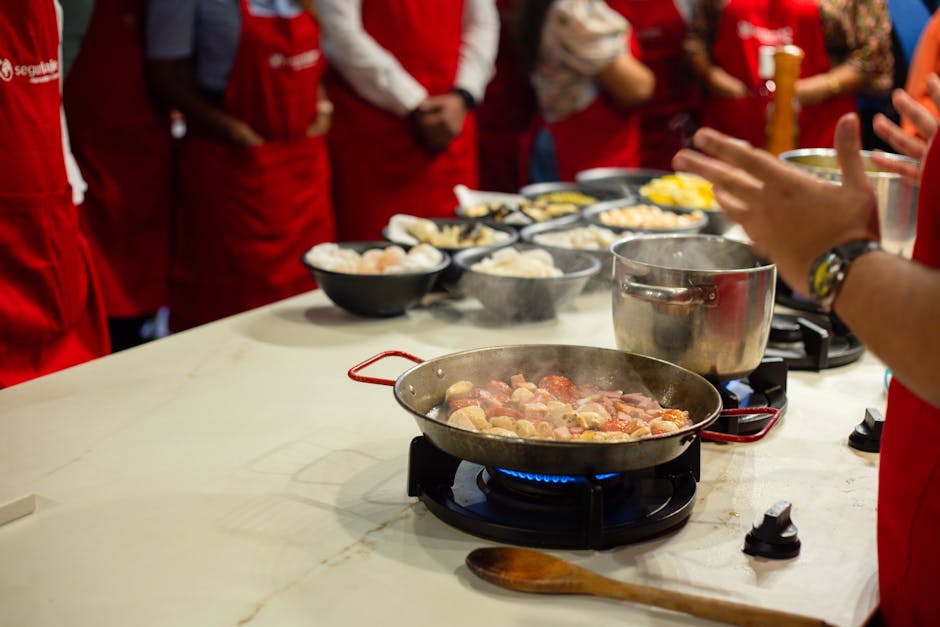
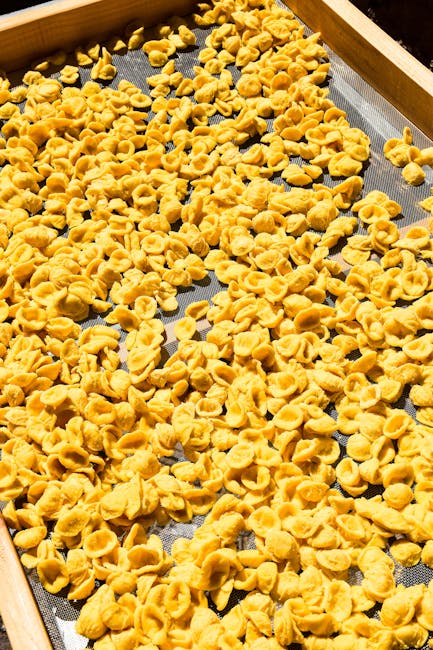
Culinary experience and workshop: nearby, the old town hosts several small cooking schools offering hands-on orecchiette workshops. A typical session (2–3 hours) costs between €30–60 per person depending on the class (including preparation, cooking and tasting). These courses teach you to knead, roll and shape the “little ears” (orecchiette), often served with a simple sauce of cime di rapa or a tomato-anchovy sauce.
Local tips:
- Book the cooking workshop in advance, especially in high season. Small groups ensure a more authentic experience.
- After the class, wander the alleys to buy local ingredients: extra virgin olive oil (500 ml bottle: €6–15 depending on quality), artisanal dried orecchiette (250 g: €3–6).
- If you visit in the late afternoon, combine the diocesan museum visit with mass at the nearby cathedral to feel the continuity of the sacred in local life.
Conclusion — Practical Tips and Foody Extensions
This food-and-culture circuit in Bari mixes tangible and intangible heritage: from ancient basilicas to castles, art galleries to small cooking workshops, each of these places reveals a facet of the city and its culinary identity. To recap the practical recommendations:
- Always check opening hours and prices before you go: museums can have exceptional closures or modified hours during religious holidays or for installations.
- Wear comfortable shoes: the old town is cobbled and visits involve a lot of walking. Also bring a water bottle, especially in summer.
- Choose off-peak times (early morning, late afternoon) to visit the busiest sites such as the basilica or Castello Svevo, and book restaurants and workshops in advance.
- Try local specialties as you go: focaccia barese, orecchiette, taralli, grilled fish and regional pastries. Seek out small family-run places where freshness is key.
- For food souvenirs: local olive oil, artisanal orecchiette, a tin of San Marzano tomatoes or well-packed taralli travel well.
Possible extensions: if you have more time, consider a day trip to Alberobello (the trulli), the Itria Valley or Polignano a Mare (about 30 minutes by train) to complement your stay with other typical culinary and heritage experiences from Puglia.
Finally, leave time to wander: Bari’s museums are meant to be explored slowly as much as quickly learned — and the city’s true richness often reveals itself in the small food-fueled conversations you’ll have with locals over a coffee or a shared plate. Buon viaggio e buon appetito — as you explore Bari, mix curiosity with a taste for good food, and you’ll leave with both your heart and palate satisfied.