





Introduction: Why Make Bari’s Museums the Focus of a Weekend?
Bari, the capital of Puglia on the Adriatic coast, is often praised for its winding historic streets, generous cuisine and lively neighborhood life. But for curious travelers, Bari also offers a network of museums and cultural sites that tell the city’s layered story: from Greco-Roman antiquity through Norman and Hohenstaufen rule, to the fervor surrounding Saint Nicholas and the material culture of the surrounding countryside. Planning a museum-focused weekend lets you mix deep historical immersion, architectural visits, tasty breaks and seaside strolls — all at a comfortable pace without racing from one site to the next.
This article lays out a compact museum itinerary for a relaxed but full two-day weekend in Bari. It covers the major monuments (fortresses and archaeological museums), lesser-known museums rich in local collections, and practical tips that make a difference: best times to visit to avoid crowds, ticket prices and discounts, walking routes and public transit options, and where to stop for coffee or a warm focaccia between visits. Each section includes exact addresses, practical info on opening hours and fees, an immersive description of the collections and sites, plus local tricks to save time on the ground.
Whether it’s your first trip to Bari or you already know the city, this tour will help you grasp its historical and cultural layering: archaeological and medieval strata visible in the walls of Castello Svevo, the central role of devotion around the Basilica di San Nicola and its treasures, and the everyday life and rural traditions preserved in ethnographic museums. I’ll also suggest alternatives depending on your interests (military history, sacred art, archaeology, visual arts) and give practical tips to minimize queues and maximize enjoyment.
Pack comfortable walking shoes, a reusable water bottle, and your camera: Bari is discovered as much along its cobbled lanes as inside its collections. The museums reveal a city shaped by many Mediterranean influences, and visiting them gives you another key to understanding everyday life, art and belief in Puglia. Follow this guide for a museum-packed weekend in Bari where history, art and food answer one another around every corner.
Castello Svevo (or Castello Normanno‑Svevo) — The Fortress, Its Museum and the Harbour View
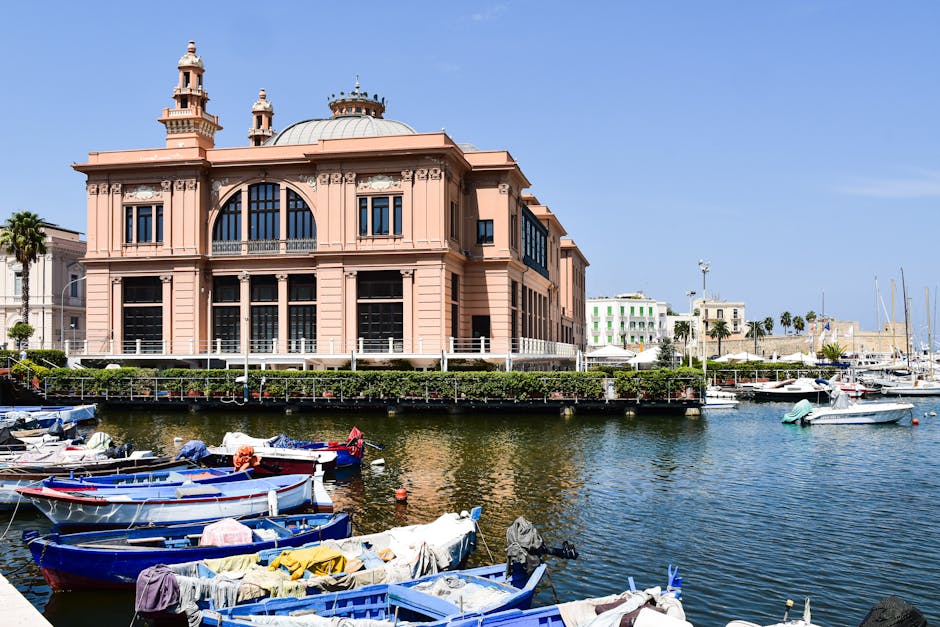
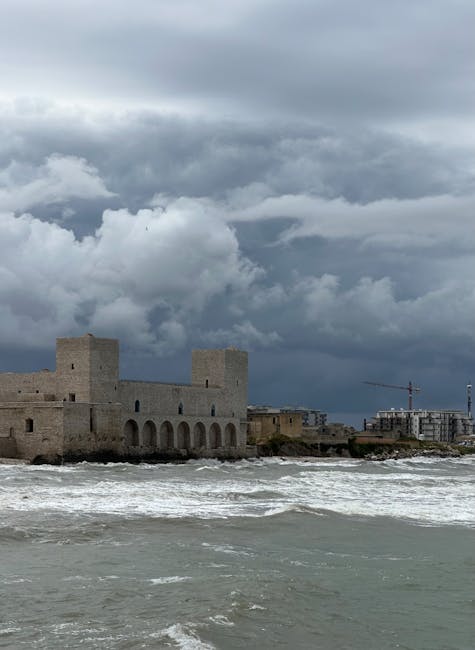
Castello Svevo (Castello Normanno‑Svevo di Bari) is an ideal starting point to understand Bari’s military and political past. Originally built by the Normans in the 11th century and remodeled under Frederick II of Hohenstaufen (the “Svevo”), this castle is a striking example of medieval architecture turned into a living museum. It stands beside the old port and overlooks the old town walls, offering remarkable views of the sea and fishing boats at dawn.
Address: Castello Svevo, Piazza Federico II di Svevia, 70122 Bari BA, Italia.
Opening hours: typically open from 9:30 AM to 7:00 PM (closing times vary in winter; last admission is often 30–45 minutes before closing). Check official hours the day before your visit — private events or temporary exhibitions can change access.
Indicative prices: standard ticket around €6–8; reduced ticket (students, seniors, groups) €3–5; free admission possible on certain Sundays or for children under a specified age according to Italian cultural policies. Audioguides or guided tours may cost an additional €5–10.
Immersive description: stepping beneath the heavy corner towers, you immediately feel the building’s mass and austerity. Inner courtyards, vaulted rooms and period hearths are used to display models, exhibitions on naval and military history, and archaeological finds from the port. Rooms dedicated to temporary shows offer contemporary perspectives on local heritage, while the outer walkway lets you take in the city and the sea — especially magical at golden hour as the sun sets.
Practical tips: arrive early to enjoy ideal light over the water and avoid tour groups. Pair your castle visit with a stroll along the Lungomare Nazario Sauro, which starts right next door, to watch fishermen and sample a focaccia barese at a waterfront bakery. If you’re driving, there are nearby parking options; otherwise most city buses serve the port area. Also check for combo tickets with other municipal attractions — they can offer meaningful savings.
Basilica di San Nicola and the Museo Nicolaiano — Sacred Art, Relics and Pilgrimage
The Basilica di San Nicola is the religious heart of Bari and one of the city’s most visited sites. It houses the relics of Saint Nicholas, the city’s patron and a figure venerated by both Catholics and Orthodox believers. Set in the core of Bari Vecchia, the basilica functions as an active place of worship as well as a museum space that helps explain the role of the Nicholas cult across the Mediterranean.
Address: Basilica di San Nicola, Largo Abbazia San Nicola, 13, 70122 Bari BA, Italia.
Opening hours: the basilica is generally open daily, often from 7:00 AM to 12:00 PM and from 4:00 PM to 7:00 PM for services and visits. The Museo Nicolaiano (or Museo della Basilica di San Nicola), adjacent to the basilica, has variable hours — generally 9:00 AM–1:00 PM and 3:00 PM–6:00 PM. Check mass schedules to avoid periods of quiet devotion that may restrict tourist access.
Fees: access to the basilica as a place of worship is free; entrance to the Museo Nicolaiano is paid, usually between €3 and €6; audio guides and guided visits may be offered for an extra charge.
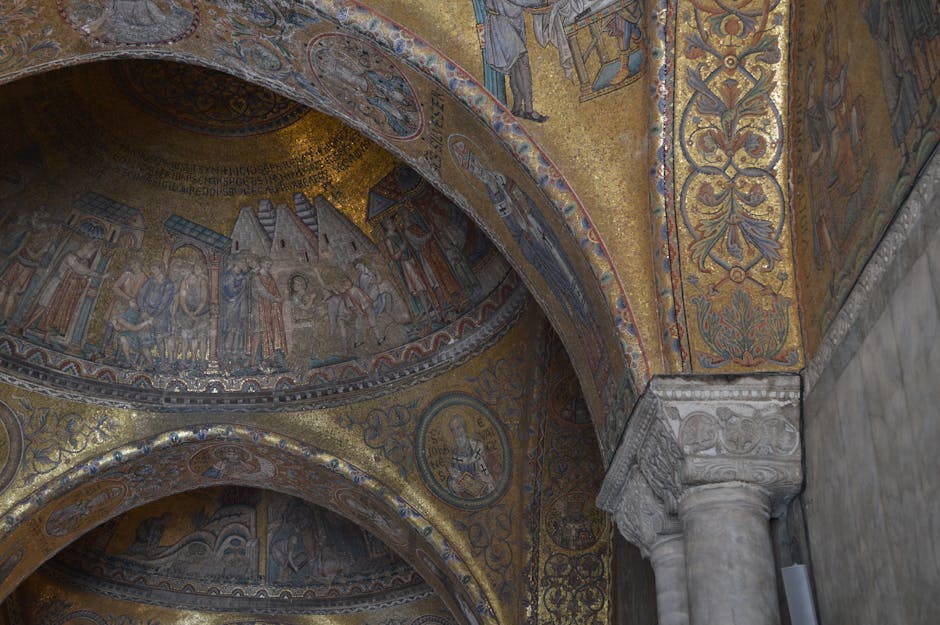
Immersive description: crossing the basilica’s threshold brings you into a hushed space heavy with stories. The Romanesque exterior contrasts with an interior rich in icons, frescoes and medieval sarcophagi. The museum traces the history of the relics: documents, liturgical garments, ex‑votos and precious objects linked to the cult of Saint Nicholas. You’ll also learn about the pilgrimages that, for centuries, connected Bari to the eastern shores of the Mediterranean.
Practical tips: plan to visit the museum in the morning for fewer crowds and the option to attend a mass if you wish. Respect local dress codes (shoulders and knees covered), especially during services. Ask permission before photographing: some liturgical items or museum areas may be restricted. Finally, wander the surrounding lanes to find small religious craft shops and family‑run trattorie where you can taste local orecchiette.
Museo Archeologico di Santa Scolastica and Suburban Collections — Antiquities and Finds
The Museo Archeologico di Santa Scolastica showcases collections that trace Bari’s long ancient history and that of the surrounding region: Greek and Roman objects, inscriptions, ceramics, mosaics and items linked to ancient port activities. The museum is often housed in a historic or monastic building (such as Santa Scolastica), which adds atmosphere to the display rooms: cloisters, niches and thick walls serve as fitting settings for millennia‑old artifacts.
Address: Museo Archeologico di Santa Scolastica, Via Santa Scolastica, 70121 Bari BA, Italia. (Note: archaeological institutions can sometimes change venues for temporary exhibitions — check the exact location on the day you plan to visit.)
Opening hours: generally 9:00 AM–1:00 PM and 3:00 PM–6:00 PM (closed certain weekdays depending on the season). Hours can be adjusted for school visits or temporary shows.
Fees: standard ticket often between €4 and €7; reduced rates for students and seniors; free access possible on certain Sundays and for local residents depending on Italian cultural policies.
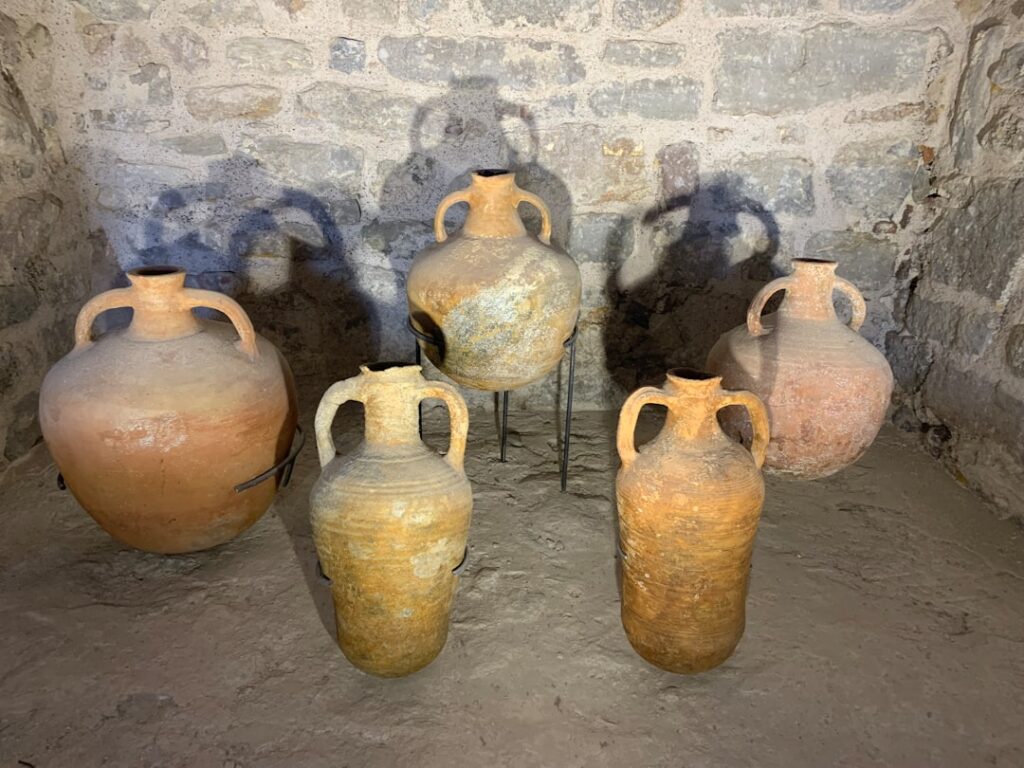
Immersive description: display cases reveal pottery sherds with varied decorations, sooted Roman lamps, bronze jewelry, and sometimes structural elements recovered during port excavations. A section may be devoted to underwater discoveries: anchors, amphorae and objects illustrating Adriatic trade routes. Informational panels, often bilingual (Italian/English), place each piece in its socio‑economic context: maritime exchange, navigation techniques and trade relations between Greek poleis and the Roman Empire.
Practical tips: if you’re passionate about archaeology, ask about thematic guided tours (sometimes available by reservation). These deeper tours, led by local archaeologists, may grant access to areas usually closed to the public or offer specialized commentary on rare items. Also set aside time for the cloister or adjacent garden — these calm spots are perfect for regrouping before continuing your route.
Pinacoteca Metropolitana di Bari and Contemporary Visual Arts — Paintings, Sculpture and Temporary Shows
For visual art lovers, the Pinacoteca Metropolitana di Bari and Bari’s contemporary art spaces present an overview of local and Italian schools. The Pinacoteca displays religious and civic paintings, altarpieces and modern works that trace the evolution of taste and artistic influence in Puglia, from the Renaissance through the 20th century.
Address: Pinacoteca Metropolitana di Bari, Corso Vittorio Emanuele II, 70122 Bari BA, Italia. (Some departments or temporary exhibitions may be hosted in other palaces or cultural venues — check the official site for precise locations.)
Opening hours: generally 10:00 AM–6:00 PM (closed some weekdays / extended hours during temporary shows).
Fees: standard ticket between €5 and €8; reduced rates for students, groups and seniors; free or reduced entry during special cultural events.
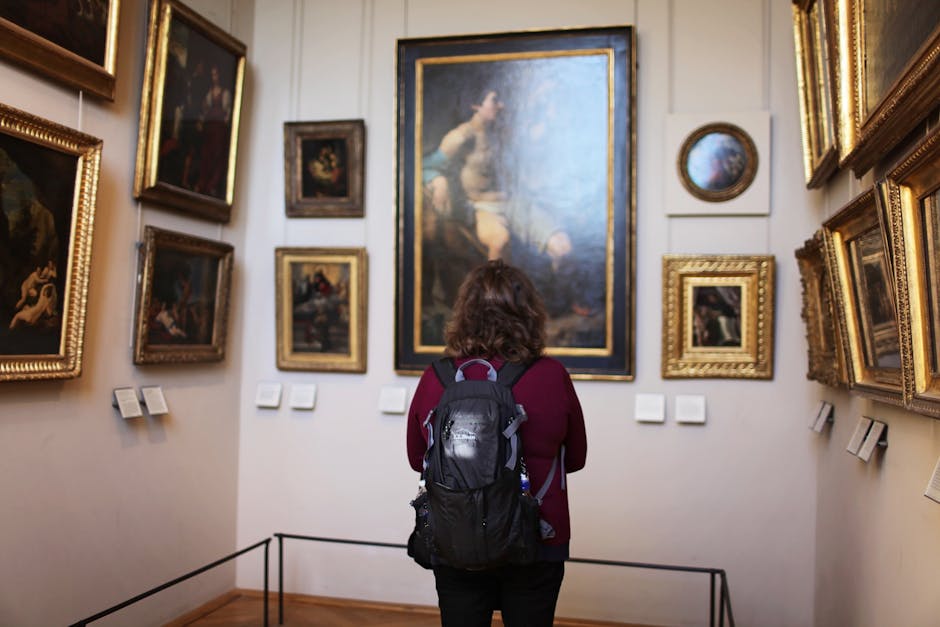
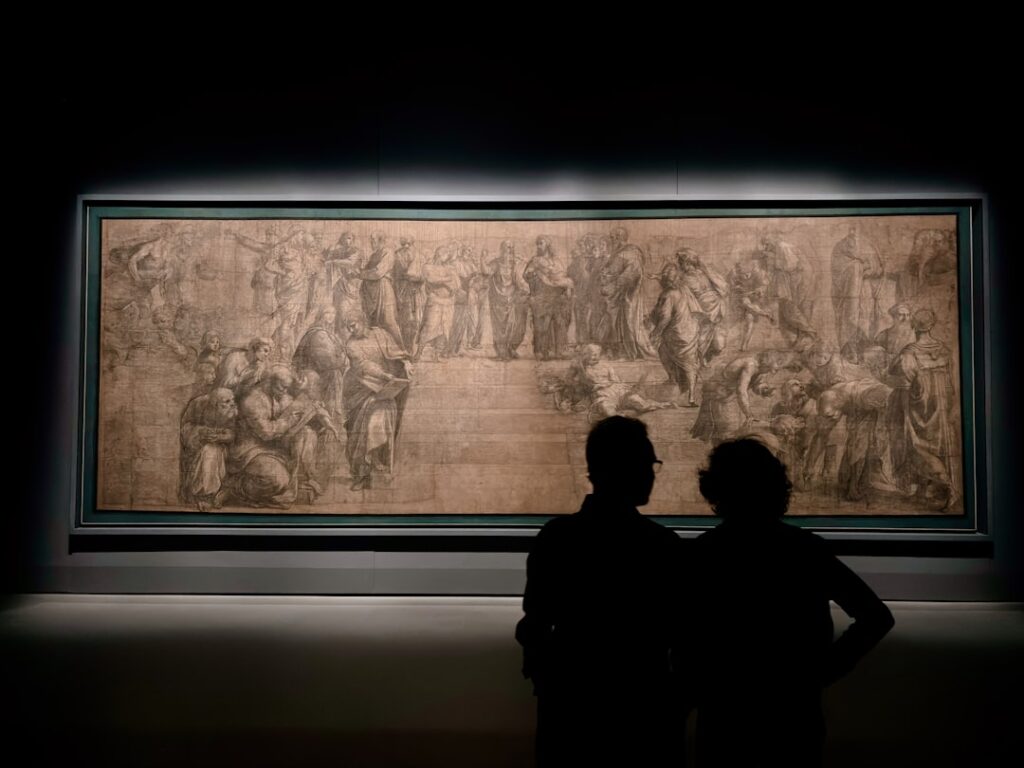
Immersive description: the pinacoteca’s rooms are arranged to guide the visitor through themes: sacred art, civic portraiture, Mediterranean landscapes and modern experiments. Older paintings depict saints in dramatic settings, while contemporary rooms focus on installations, photography and rotating exhibitions that converse with local heritage. Labels explain painting techniques, iconographic sources and networks of influence between Bari and other southern Italian art centers.
Practical tips: the pinacoteca is ideal for an afternoon visit, after exploring the historic center in the morning. Make the most of temporary exhibitions, which rotate frequently and often offer fresh perspectives on regional heritage. If you’re traveling with family, check for educational workshops: local museums sometimes offer children’s activities to discover art playfully.
Museo Etnografico e del Territorio (Local Heritage Museum) — Rural Life, Traditions and Everyday Objects
The Museo Etnografico e del Territorio (the ethnographic museum of the territory) preserves collections focused on everyday life in Puglia: agricultural tools, traditional costumes, kitchenware and reconstructed domestic spaces. This kind of museum is essential for understanding the material culture that underpins the region’s cuisine, customs and social life in Bari and its province.
Address: Museo Etnografico e del Territorio, Via G. Capruzzi / Largo A. De Gemmis, 70100 Bari BA, Italia. (Exact location may vary depending on the institution; check the precise venue before you go.)
Opening hours: often 9:00 AM–1:00 PM and 3:00 PM–6:00 PM; closed some days depending on the season. Thematic exhibitions may be available by reservation for groups.
Fees: admission usually modest, between €3 and €6; occasional free entry for educational activities or cultural events.
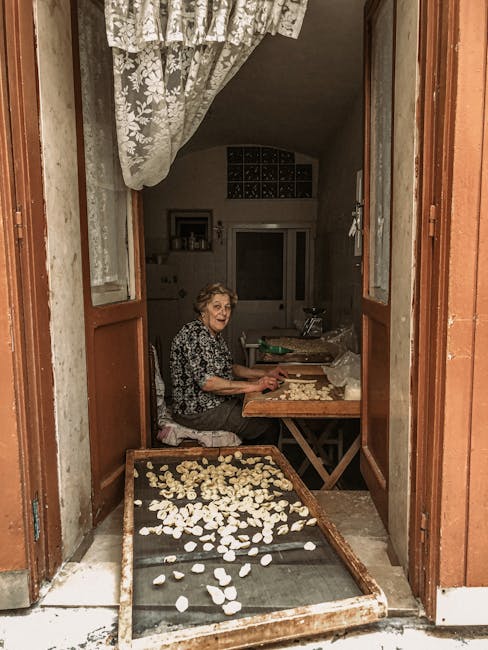
Immersive description: walk past display cases showing plows, sickles, woven baskets and oil amphorae. One of the most charming sections is often a reconstructed peasant kitchen where fresh pasta (orecchiette) was handmade, giving a sensory glimpse into family life. Audio and video panels let elders and craftsmen speak — their gestures and words turn objects into living narratives.
Practical tips: combine this visit with lunch in a nearby masseria or trattoria to taste local products (olive oil, burrata cheese, focaccia barese). Small ethnographic museums often sell artisanal products: bring home an authentic souvenir (a small ceramic item or a piece of local weaving). If you’re interested in themed tours (for example about the olive tree or wine production), book in advance — workshops may take place outside standard opening hours.
Conclusion: Plan Your Museum Weekend in Bari — Suggested Route and Final Tips
A museum weekend in Bari can be organized into two full days without sacrificing the pleasure of wandering the old town or sitting down to enjoy local specialties. Here’s a suggested itinerary:
- Day 1 morning: Basilica di San Nicola and Museo Nicolaiano — spiritual and historical immersion, followed by a coffee in the lanes of Bari Vecchia.
- Day 1 afternoon: Castello Svevo — explore the castle, enjoy port views and walk along the Lungomare to watch the sunset.
- Day 1 evening: dinner in a Bari Vecchia trattoria (try orecchiette, focaccia barese and a grilled fish dish).
- Day 2 morning: Museo Archeologico di Santa Scolastica — excavations and ancient objects to understand Bari’s maritime origins.
- Day 2 afternoon: Pinacoteca Metropolitana di Bari then Museo Etnografico e del Territorio — art and material culture to round out your cultural panorama.
Final practical tips: keep digital and printed copies of opening hours and addresses (especially for smaller museums whose schedules vary by season). Buy tickets online when possible: it saves time and sometimes money. Wear comfortable shoes: Bari Vecchia’s cobbles and the old floors in museums demand stable footwear. Carry some cash and a small reserve for paper guides or donations to church‑museums.
For transport, favor walking within the historic center — many sites are close to one another. Taxis are available but relatively costly for short trips; the local bus network (AMTAB) is the economical option for connecting more distant museums. If you have extra time, consider extending your trip outside Bari: Alberobello, Polignano a Mare and Matera (not far away) will enrich your experience of Puglia.
Visiting Bari’s must‑see museums means following the layers of a multifaceted city: port, religious crossroads, fortified place and living countryside. By combining these visits, you’ll leave with a full, nuanced picture of Bari — not just as a seaside destination, but as a place where history, art and everyday life meet — and with practical tips to turn your weekend into a memorable cultural getaway.