





Introduction — Why mastering Bari’s metro and local trains makes all the difference
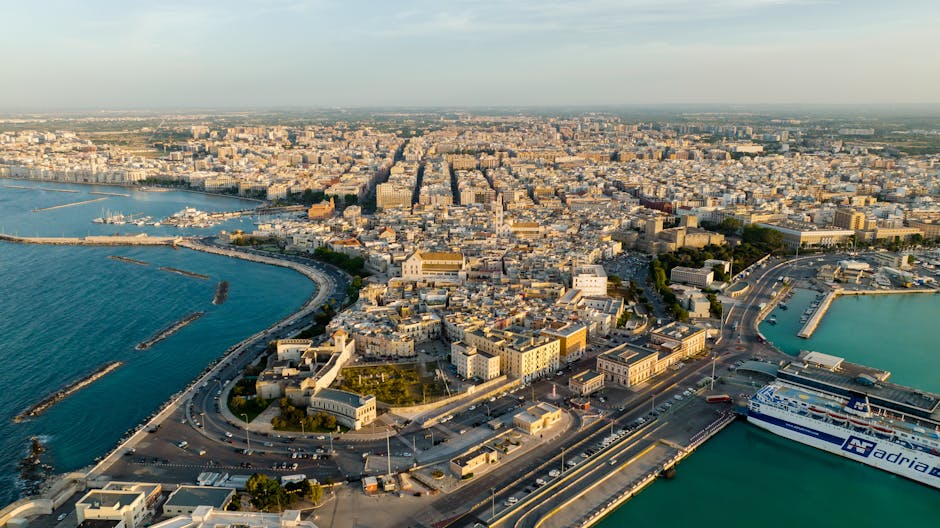
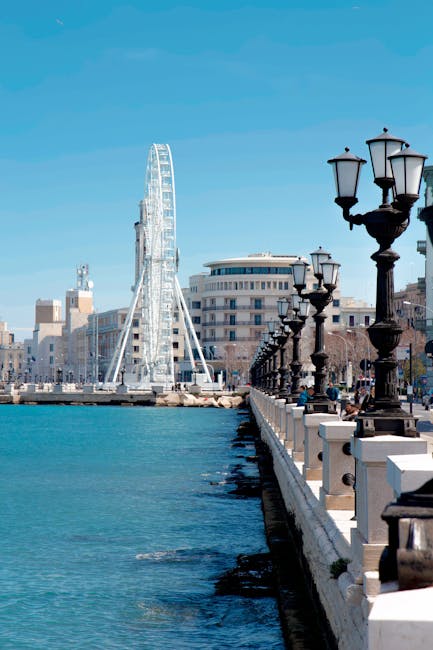
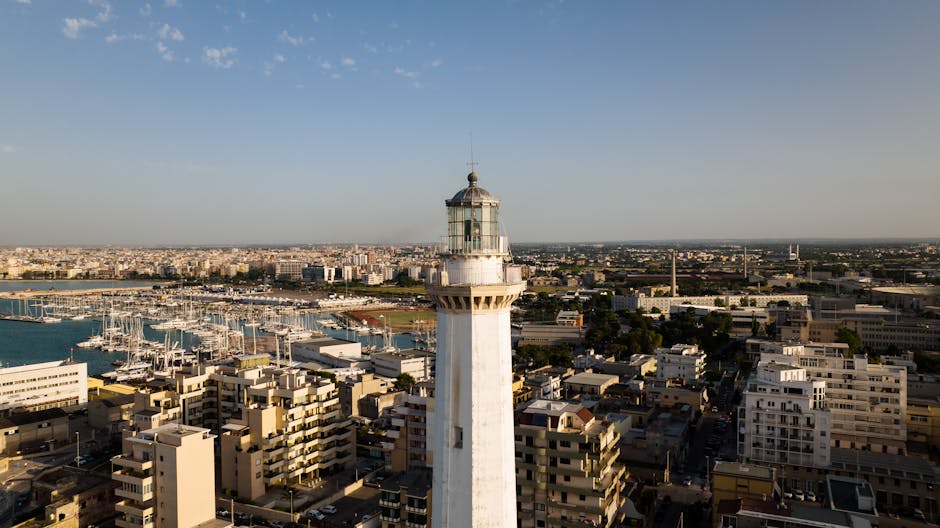
Bari, the capital of Puglia on the Adriatic coast, is compact but full of surprises: medieval lanes in Bari Vecchia, modern facades along the Lungomare Nazario Sauro, and a bustling rail hub centered on Stazione di Bari Centrale (Piazza Aldo Moro, 70121 Bari BA). For the savvy traveler, knowing how to navigate the light metro, regional services and local lines (Trenitalia Regionale, Ferrotramviaria, Ferrovie del Sud Est) is a real time-saver — it helps you skip lines and pack more discoveries into a single day. This article offers practical tips, route ideas, exact addresses, indicative prices and useful opening times to help you move around Bari efficiently.
Moving quickly isn’t the same as rushing: it’s about planning ahead. For example, leaving early from Stazione di Bari Centrale can shave off dozens of minutes along the Lungomare Nazario Sauro (Viale Nazario Sauro) — perfect for a sunrise stroll and catching the first regional train to Polignano a Mare. Knowing the difference between Trenitalia, Ferrotramviaria and Ferrovie del Sud Est will stop you from buying the wrong ticket when your connection is run by another operator. Likewise, knowing where to validate a paper ticket, which tickets are electronic, or how to use the ticket machines (biglietterie automatiche) will save you fines and stress.
We’ll go over the stations you need to know (Stazione di Bari Centrale, Bari Marconi, Bari Mungivacca, Bari Policlinico), ticket offices and information points with exact addresses and opening hours, plus common fares (urban tickets around €1.00–€1.50, short regional trains €1.80–€4.50 depending on distance). You’ll also find safety and luggage tips, guidance for reaching landmarks like Castello Normanno-Svevo (Largo Castello, 70122 Bari BA) or the Basilica di San Nicola (Piazza San Nicola, 70122 Bari BA), and suggestions on how to combine the light metro and regional trains to get more out of your visits.
Finally, practical advice will help you avoid the rush hours (8:00–9:30 and 17:00–19:00), spot the best platforms and tracks to exit quickly, and save time when boarding local trains. This guide is aimed both at travelers on a tight schedule who want to maximize a layover and at curious visitors looking to explore Puglia without wasting hours in transit. Follow these tips and turn each journey into part of your Bari experience.
1) Key stations to know in Bari: addresses, hours and services
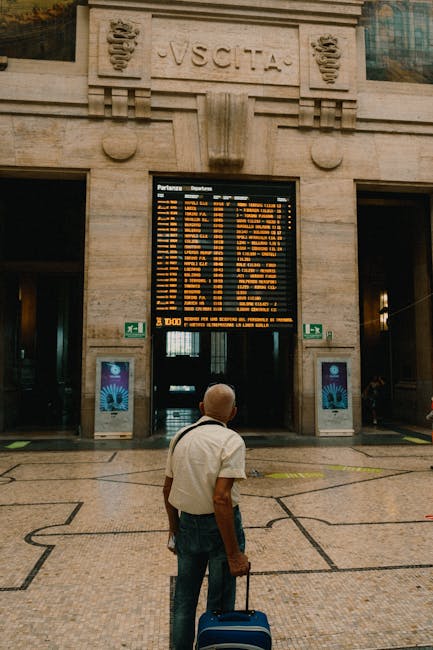
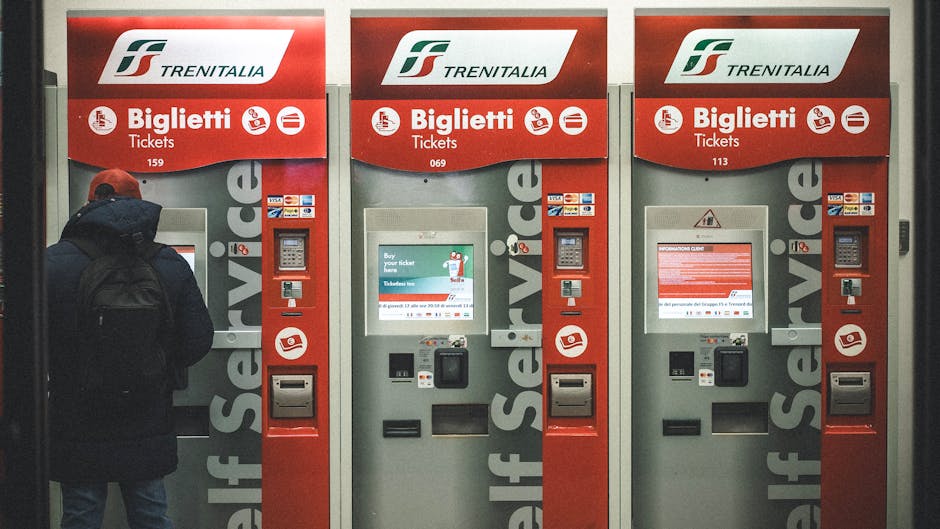
To save time, start by memorizing a few addresses and what they offer. The main rail gateway is Stazione di Bari Centrale (Piazza Aldo Moro, 70121 Bari BA). The station is open 24 hours for platform access, but Trenitalia ticket counters and the shops in the concourse have shorter hours: Trenitalia counters are generally open 06:00–21:00 (check the on-site notices). Ticket machines are available 24/7 on several platforms; favor electronic tickets or contactless bank cards to speed things up. The tourist information point (APT) is often in the main hall and staff can confirm schedules and platform numbers.
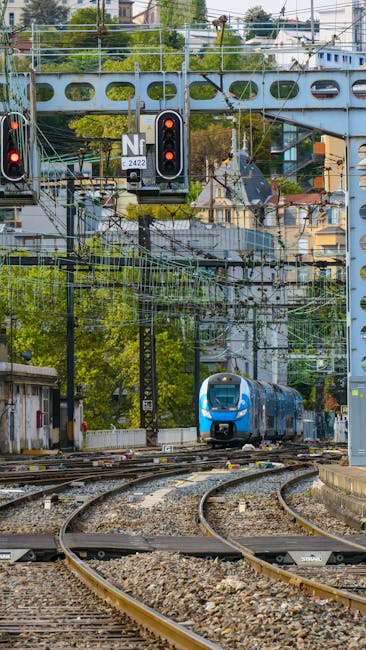
Other useful stations: Bari Marconi (Via Einaudi area) gets you closer to the northern neighborhoods and the fair district; Bari Mungivacca (Via della Stazione di Mungivacca) serves the Ferrotramviaria lines toward Molfetta and Barletta; and Bari Policlinico (Viale Ennio Delogu) serves the university hospital Policlinico di Bari (Piazza Giulio Cesare no.1, 70124 Bari BA). The small municipal stops on the light metro network are spaced out but well served: for example the « San Giuseppe » and « Dipartimento » stops serve the university core and are often less crowded than the central station.
Practical services: luggage lockers at Bari Centrale are limited (available at certain times and typical charges around €4–€6 per bag for a few hours), limited currency exchange, but several kiosks, cafés and newsstands open early. To save time, scout the exit that leads directly to taxis or urban buses (AMTAB/AMGNA) in advance — signage in the concourse usually shows these. Finally, note that Stazione di Bari Centrale has direct bus connections to Aeroporto Karol Wojtyła (Aeroporto di Bari ‘Karol Wojtyła’, Via Giuseppe Capruzzi 326, 70124 Bari BA) and trains (direct or with connections) to Polignano a Mare (regional), Monopoli, Conversano and Matera.
2) Tickets, validation and apps: save time before and during travel
You start saving time before you even reach the platform. Use the official apps: the Trenitalia app (iOS, Android) for Trenitalia trains, the Ferrotramviaria app for FM lines and regional machines, and the « Muoversi in Puglia » or « FSE » apps for some southeast connections. Download your electronic tickets (biglietto digitale) and keep them in the app or as a PDF. Online tickets often include a QR code that lets you skip the counter; show it to the inspector on your smartphone.
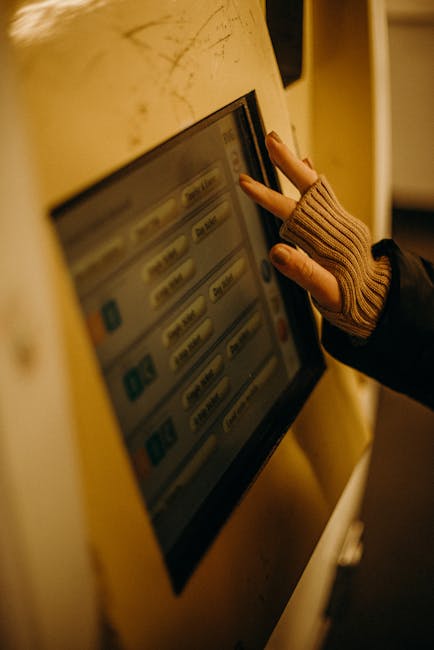
For paper tickets, make sure to validate them in the stamping machines (macchine obliteratrici) before boarding. Validations are monitored: fines for an unvalidated ticket can reach €50–€100. A city ticket for buses and trams in Bari usually costs €1.00–€1.30 (indicative; « BIT » tickets valid for 100 minutes). Short regional trips (Bari → Polignano a Mare, 17 km) range roughly €2.60 to €4.00; a Bari → Monopoli ride is around €3.00–€4.00 depending on the schedule. For longer distances, check regional fares in the app.
Practical tips: buy a day pass or a multipack if you plan several trips in one day (for example a 10-ticket pack for urban journeys is often available for ~€9–€12 depending on the vendor). Turn on notifications for delays and platform changes. If you travel in peak tourist season (June–August), buy long-distance tickets (Frecciarossa, Frecciabianca) in advance and arrive at the platform 10–15 minutes before departure: platforms can be long and trains leave on the dot. To save extra time, spot the platforms from the electronic boards (tabelloni) in the concourse and follow arrows marked « Binario ».
3) Strategies to avoid rush hour and optimize connections
Rush hours in Bari are typically 07:30–09:30 and 17:00–19:00 on weekdays. If you can schedule visits early in the morning, you’ll face emptier trains and quieter streets in Bari Vecchia. For example, catch a regional train from the central station to Polignano a Mare departing around 07:15–08:00 to arrive before the beaches and cafés fill up. Likewise, allow 20–30 minutes between trips on different operators when changing at Bari Centrale: Trenitalia and Ferrotramviaria don’t always use the same platforms.
For urban transfers (light metro, bus), favor secondary stops that are a little off the main drag. For instance, if you’re visiting the Basilica di San Nicola (Piazza San Nicola, 70122 Bari BA) and want to get to Castello Normanno-Svevo (Largo Castello, 70122 Bari BA), a brisk 10–12 minute walk along Via Venezia may be quicker than waiting for a bus during peak times. There are plenty of taxis around Stazione di Bari Centrale, but fares depend on distance: a short ride (up to 3 km) typically costs €8–€12 — handy when you’re pressed for time but watch out for traffic jams.
Another time-saver: note the platforms for regional trains serving the Adriatic coast (often signed « Direzione Nord » for Giovinazzo/Barletta) and board the front cars if you’re getting off at smaller stations — you’ll be nearer the exits. Conversely, for longer journeys, choose a central carriage to make it easier to reach the concourse and taxis. Always have a Plan B: if a service is canceled, replacement buses are often provided, but find the replacement bus stop near the station in advance (staff usually point it out).
4) Practical routes to save time and see more: half-day plans and quick excursions
Here are optimized routes to maximize what you can see around Bari while minimizing time spent in transit. Each suggestion includes stations, approximate durations, indicative prices and practical tips.
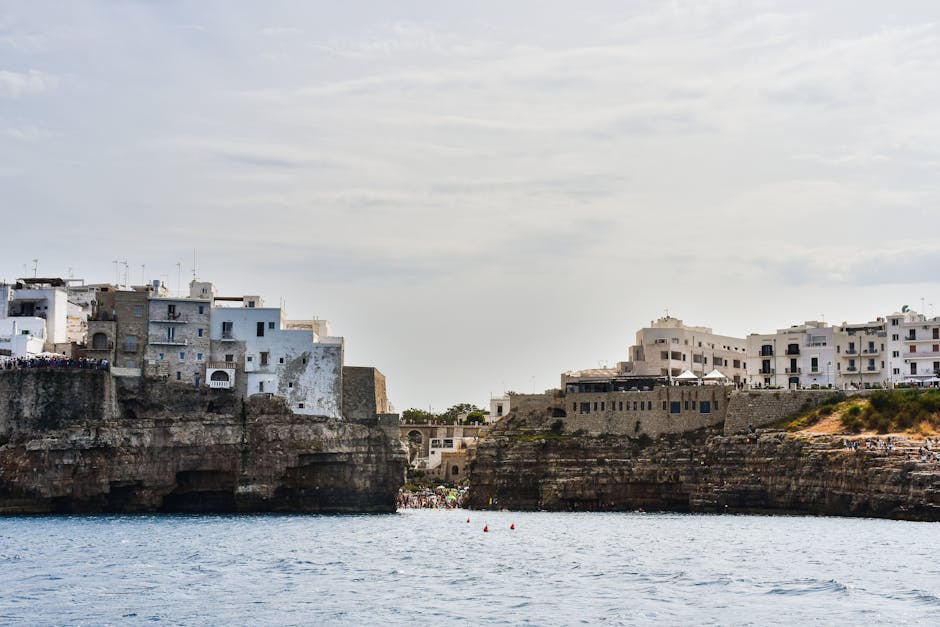
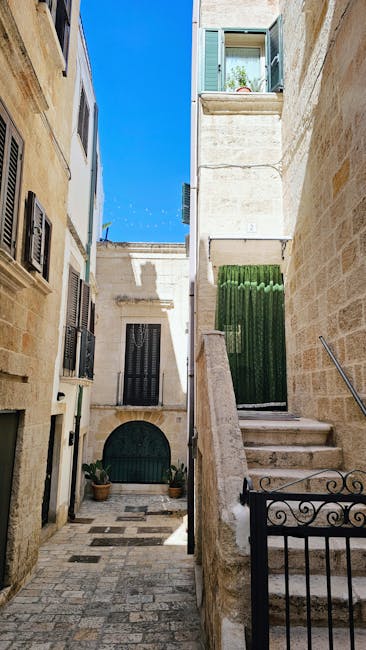
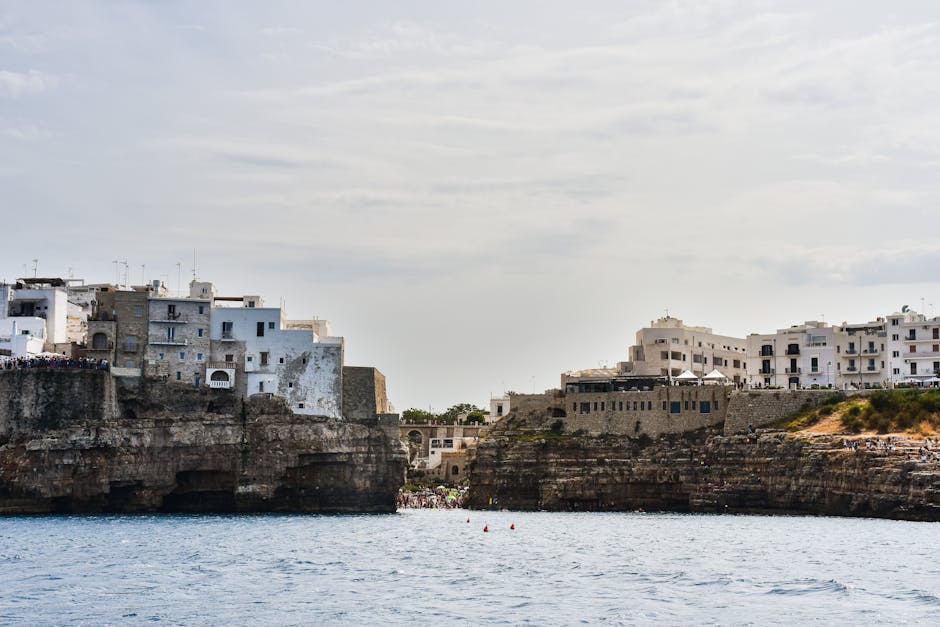
- Half-day in Polignano a Mare: Take the regionale train from Stazione di Bari Centrale to Polignano a Mare (Stazione di Polignano a Mare, Piazza Bovio, 70044 Polignano a Mare BA). Duration: ~30 minutes. Indicative price: €2.60–€3.50. Schedules: frequent trains early morning and throughout the day (check the Trenitalia app). Tip: exit via the sea-side elevator to drop down quickly to the famous Lama Monachile beach (Balconcino), then explore the historic center on foot (alleys and viewpoints).
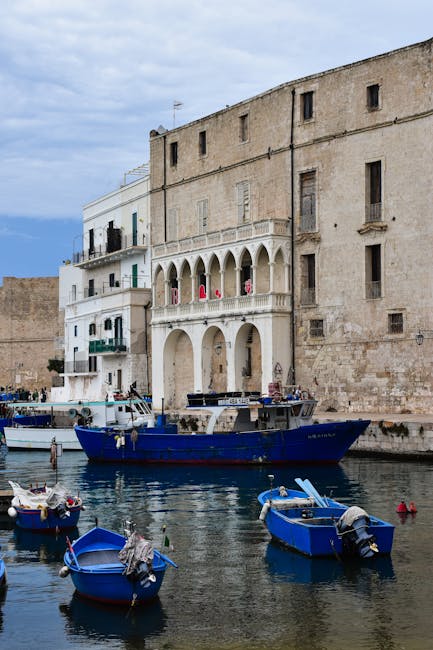
- Quick Monopoli getaway: Train Bari Centrale → Monopoli (Stazione di Monopoli, Piazza Giuseppe Garibaldi, 70043 Monopoli BA). Duration: ~40 minutes. Indicative price: €3.00–€4.00. Schedules: several trains per hour during the day. Tip: from Monopoli station it’s a 10–12 minute walk to the historic center and the harbor; a round trip by train lets you make the most of a half-day.
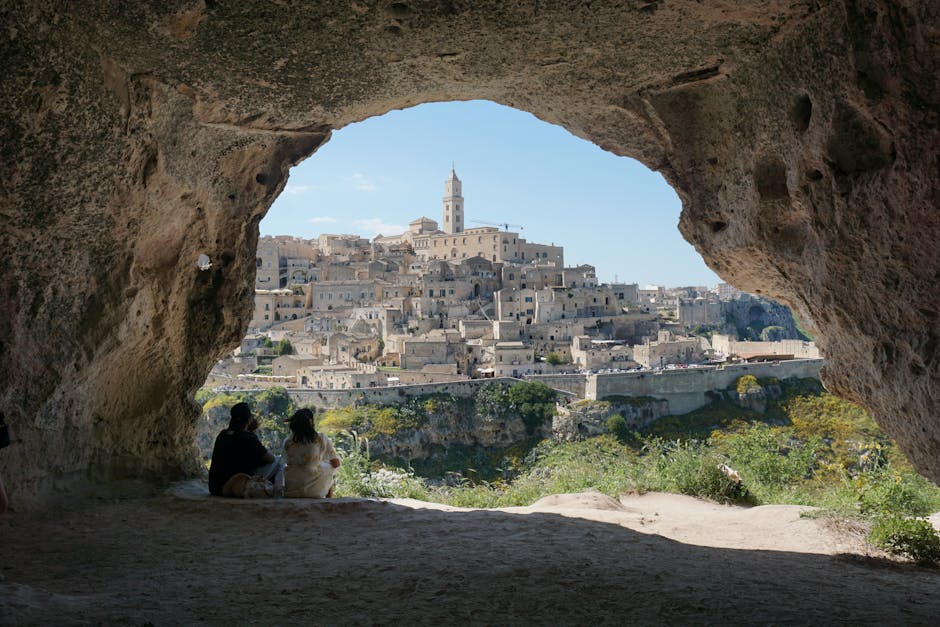
- Route to Matera (via Bari Centrale): Take a train/tram or a train-plus-bus combo depending on schedules. Duration: variable (1:15–1:45); price: €4–€9 depending on the option. Tip: leave early to make the most of Matera and return in the evening; check direct connections (bus or train + bus) in the app.
For each route, allow an extra 10–15 minutes for boarding and 5–10 minutes to validate a ticket if needed. Avoid loading large suitcases onto regional trains at small stations: board quickly and be ready to step off onto the platform ahead of other passengers to save exit time. If you’re on a tight schedule for a museum or guided tour (for example Castello Normanno-Svevo guided visits, seasonal opening hours vary; entry fees around €3–€6 for temporary exhibitions), buy tickets online or book by phone to skip the queue.
Conclusion — Getting around Bari: speed, safety and enjoyment
Mastering Bari’s light metro and local trains is a big asset for any traveler wanting to get the most out of a stay in Puglia. By knowing the key stations (Stazione di Bari Centrale, Bari Marconi, Bari Mungivacca, Bari Policlinico), using the right apps (Trenitalia, Ferrotramviaria, FSE) and validating your tickets properly, you’ll avoid unpleasant surprises and gain valuable time. The practical tips here — leave early, favor electronic tickets, locate taxi and bus exits, and choose the right carriage depending on your stop — will help you optimize transfers and enjoy the landmarks and neighborhoods you visit, from Castello Normanno-Svevo (Largo Castello, 70122 Bari BA) to the Basilica di San Nicola (Piazza San Nicola, 70122 Bari BA) and the viewpoints along Lungomare Nazario Sauro.
Remember that the prices shown (urban tickets around €1.00–€1.30, short regional trips €2.60–€4.00) are guidelines and may vary by season and tariff updates: always check real-time information via the official apps or at ticket offices. And keep flexibility in mind: have a Plan B for connections, anticipate potential delays and keep contact details for local tourist offices handy to avoid stress and wasted time. Follow these tips and turn your journeys between stations into pleasant, efficient parts of your discovery of Bari and the surrounding region.