





Introduction — Train, Bus, or Car: Picking the Best Way to Get to Bari
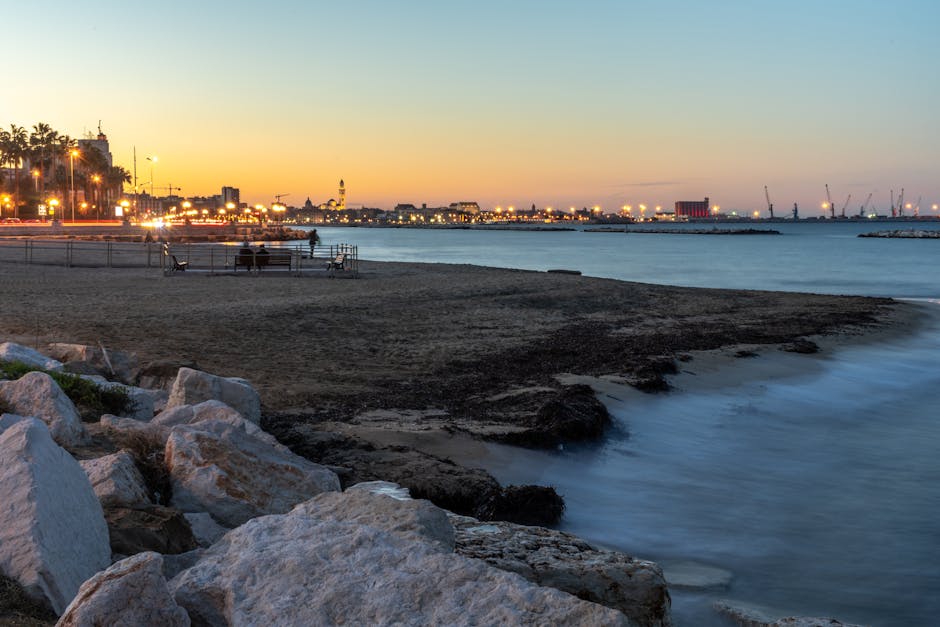
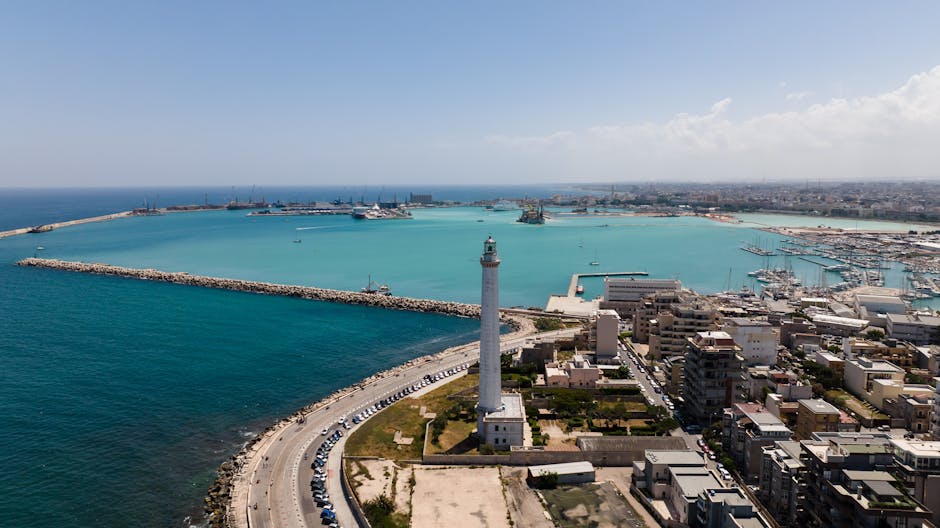
Bari, the capital of Apulia (Puglia), is a port city with many faces: a medieval old town, a lively seafront, an international port and a regional hub for Matera, Polignano a Mare, Alberobello and Lecce. Choosing the right mode of transport to arrive in Bari or to get around can completely change your trip. Between fast, frequent trains, budget-friendly buses and the freedom a car provides, you’ll make trade-offs based on your priorities: budget, comfort, time, flexibility, or a desire to explore off-the-beaten-path viewpoints.
This article aims to give you a practical, comprehensive guide to decide: should you favor train, bus or car to get to Bari and explore the surrounding area? We’ll cover not only the pros and cons of each option, but also concrete details: addresses, typical schedules, indicative fares in euros, local tips and specific situations (arriving at the airport, coming from Rome, day trips to Polignano a Mare or Alberobello, visiting the historic center of Bari Vecchia). The goal is to help you make an informed choice matched to your traveler profile — backpacker, family, couple, business traveler or food-focused road-tripper.
Practical decisions matter: where is the main station located? What are rough prices for a regional train vs an intercity bus? How much do parking, fuel and tolls cost? What’s the real door-to-door travel time once you factor in security checks or walking time to reach historic centers? We’ll also share local tips that don’t always make it into guidebooks: busy beaches, best times to avoid traffic around the port, where to rent a car for an easy pick-up, and how to navigate Bari Vecchia’s narrow streets without stress.
Finally, we’ll include precise reference points: full names of places and monuments, exact addresses (station, airport, hotels, main rental offices), typical opening hours and indicative prices in euros. These details will let you plan your route and evaluate costs and constraints precisely. Note that some schedules and fares change by season: always check online before you travel. Ready to compare train, bus and car and choose the option that suits your stay in Bari? Let’s go.
The Train in Bari: Speed, Comfort and Regional Connections
The rail network is often the top choice to reach Bari from other major Italian cities or for day trips along the Adriatic coast. The main station is Bari Centrale, located at Piazza Aldo Moro, 70121 Bari. The station offers 24-hour access to platforms and has information desks and Trenitalia ticket counters typically open Monday to Friday from 06:00 to 20:00 and on weekends from 07:00 to 19:00 (these times can vary during holidays). For high-speed trains (Frecciarossa, Frecciargento), booking in advance is recommended; regional tickets can be bought the same day at a ticket window or via the Trenitalia app.
Fares vary: a direct Frecciarossa or Frecciargento from Rome Termini to Bari Centrale usually costs between €29 and €60 depending on how far in advance you book and the season (journey time around 4h15–4h30). Intercity trains from Naples to Bari often cost €15–€30 (about 3 hours). Regional services, for example Bari Centrale -> Polignano a Mare, are about €3.20–€4.50 and take 20–30 minutes (frequency: every 20–40 minutes during the day). Always check station boards and the Trenitalia app for exact times and platform changes.
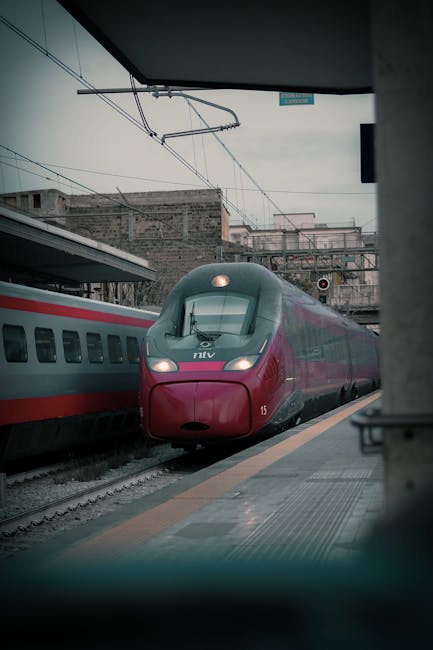
When you arrive at the station, note that every platform is reachable by walkways and elevators — handy if you have heavy luggage or strollers. The station is about 1.2 km from Bari Vecchia (the old town), roughly a 25-minute walk; by taxi it’s a 6–10 minute ride to Piazza Mercantile (historic center) with an indicative fare of €8–€12 depending on luggage and traffic. Local connections include AMTAB urban buses (single ticket around €1.10 bought at kiosks or via app), trams and taxis.
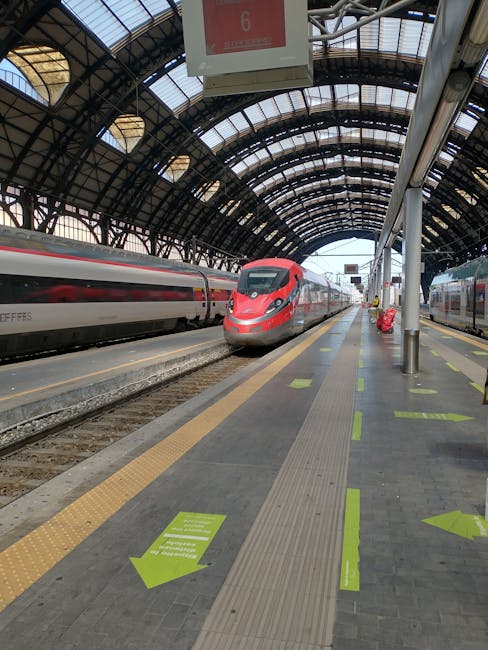
Train highlights: comfort, speed over long distances, generally predictable punctuality, direct access to the city center via Bari Centrale. Practical advantages: no parking hassles, no tolls, and the ability to work or rest on board. Drawbacks: less flexibility to reach remote villages (Alberobello, for example, sometimes requires a bus or transfer), high-speed fares can be pricey if booked late, and timetables are fixed.
The Bus: Budget-Friendly, Good Reach to Small Towns, and Some Drawbacks
The bus is the most economical option for many routes, especially between Bari and smaller coastal towns or inland areas of Apulia. The main bus station is Autostazione Bari (sometimes called Bari Bus Station), located at Via Giuseppe Capruzzi, 207, 70124 Bari. Counters are generally open from 06:00 to 22:00; several local and international companies operate here, including FlixBus for long-distance connections (Rome, Milan, Florence) and regional operators like Ferrovie del Sud Est for specific routes. Check schedules at the counter or online.
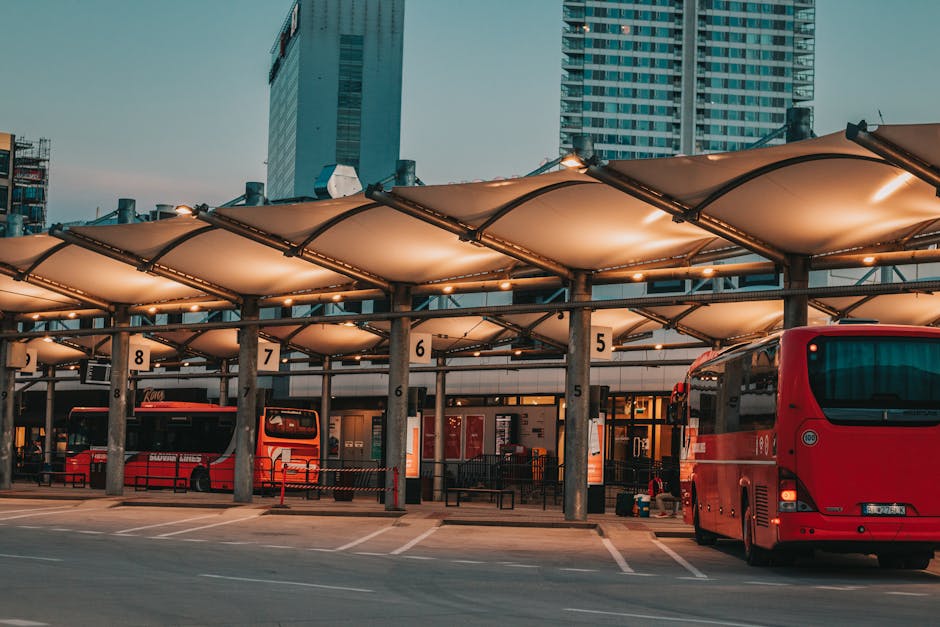
Fares are attractive: for example a FlixBus between Bari -> Matera can cost €8–€15 depending on advance booking (journey time 1h15–1h45). A Bari -> Lecce intercity bus often costs €6–€12 (1h30–2h depending on the route), while a local bus Bari -> Polignano a Mare is about €3.00–€5.00. Regional buses may be less comfortable than trains for long distances, but they serve stops trains don’t: for instance, frequent links to Castellana Grotte (Grotte di Castellana, address: Piazza XX Settembre, 8, 70013 Castellana Grotte BA) are popular with cave visitors.
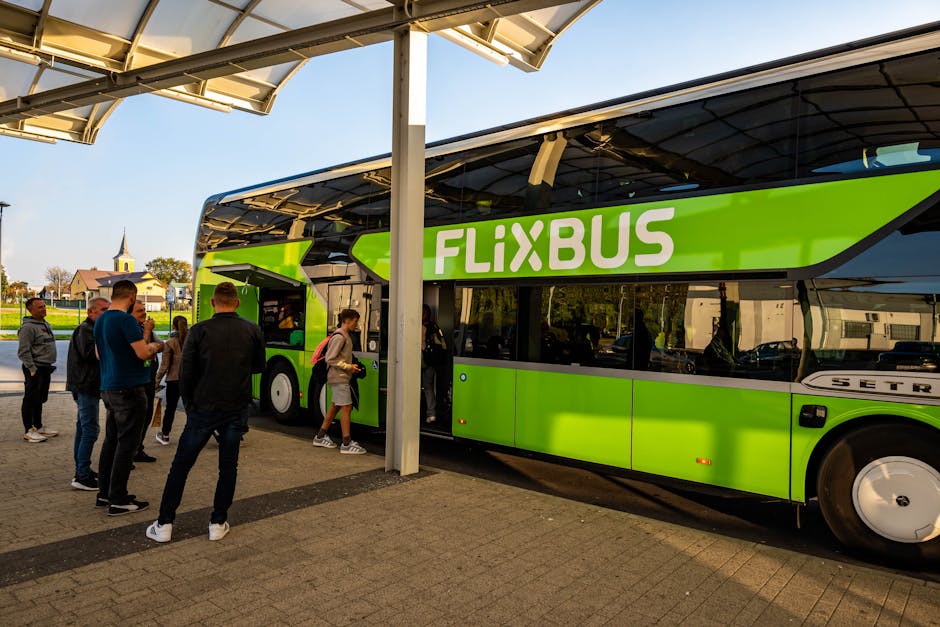
Bus schedules can be more variable and subject to delays in high season due to traffic. Another downside: bus stations aren’t always as central as Bari Centrale, so you may need an extra urban transfer or a taxi. Still, the bus is an excellent choice for budget travelers or those who don’t need a car to explore the region. Tip: there are seasonal direct services from Bari and Monopoli to popular sites like Alberobello (Trullo houses, address: Rione Monti, 70011 Alberobello BA); prices often range €4–€8.
Practical tips for taking the bus in Bari: buy tickets in advance via apps (FlixBus, GoOpti, Omio) or at kiosks to avoid queues; always validate your ticket in the onboard machines or at the validation point before boarding; allow a 15–30 minute buffer in high season. If you travel at night, favor direct lines or long-distance coaches equipped with toilets; keep luggage within reach and be cautious at late-night stops. Finally, if your itinerary requires multiple connections, buses can be cheap but slower and trickier to synchronize than trains.
The Car: Maximum Freedom, Scenic Routes and Practical Constraints
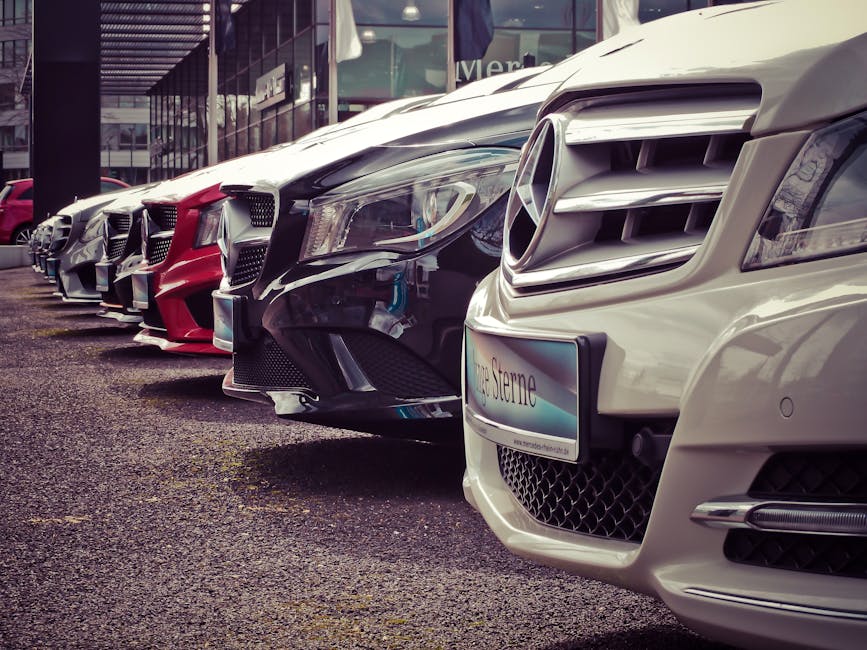
Renting a car gives unmatched freedom to explore Bari and the wider Apulia region at your own pace: hidden beaches, agricultural valleys and whitewashed villages that trains or buses don’t reach. Bari Airport — Aeroporto di Bari – Karol Wojtyła — is located at Viale Enzo Ferrari, 70128 Bari Palese. It’s the main pickup point for rental cars. International agencies have desks in the terminal: Europcar (Viale Enzo Ferrari 1, office hours 07:00–23:00), Hertz (Terminal car rental desk, 07:00–22:00), Sixt (Terminal desk, 07:00–22:00). Rental rates vary widely by season: for a small city car (Fiat 500 or equivalent), expect €25–€60 per day in low season and €40–€120 in high season. Insurance and mileage options affect the price.
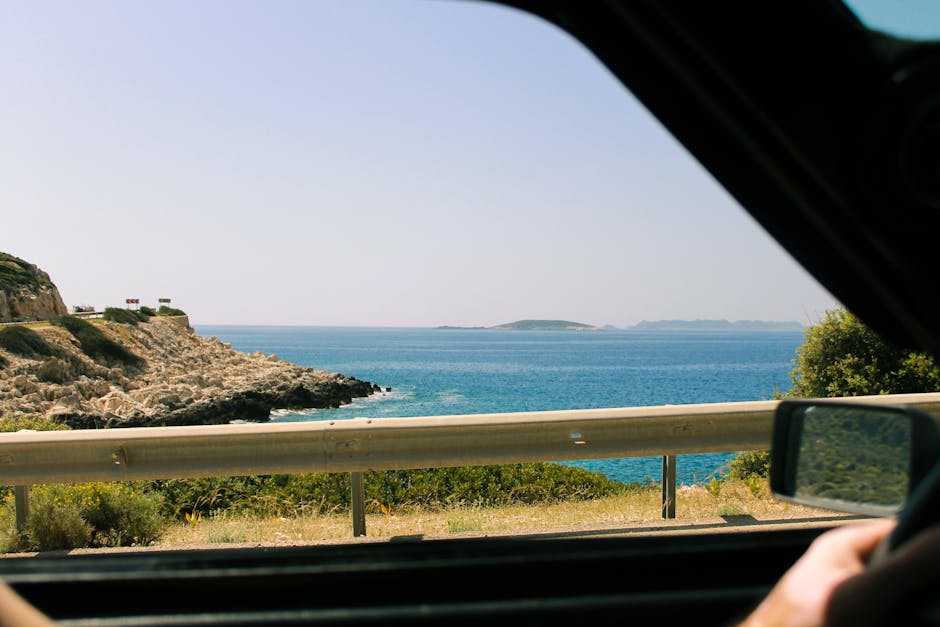
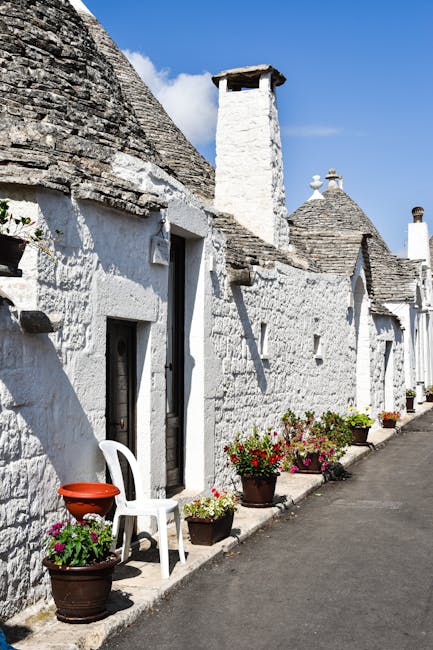
Driving in Apulia brings major benefits: direct access to Alberobello (Piazza del Popolo, 70011 Alberobello BA) in about 1h15 from Bari, road trips to Polignano a Mare (Via Scesciola, centro storico, 70044 Polignano a Mare BA) in around 40 minutes, or discovering the coves around Monopoli. The freedom to stop in olive groves, farmhouses and scenic overlooks makes the journey special. However, you’ll need to handle parking in Bari: near Bari Vecchia and the Lungomare Nazario Sauro parking is often paid. Typical street rates: blue zones (paid parking) about €1.10–€1.50/hour; meters generally operate from 08:00 to 20:00 (varies by municipality). Secured parking close to the center, like Parcheggio del Porto (Via Nazariantz, near port), can cost €15–€25/day.
City driving requires attention: limited traffic zones (ZTL — Zona a Traffico Limitato) are active in Bari’s historic center (notably around Bari Vecchia and Corso Vittorio Emanuele II). If you stay in the old town, check with your accommodation about access permits or private parking; otherwise park outside and walk in. Other costs to consider: fuel (super 95 around €1.60–€1.90/L depending on market), tolls on the A14 if you’re coming from the north; for example Bari -> Ancona via A14 costs around €12–€20 in tolls depending on exits. Maintenance and excess insurance can also bump up the budget.
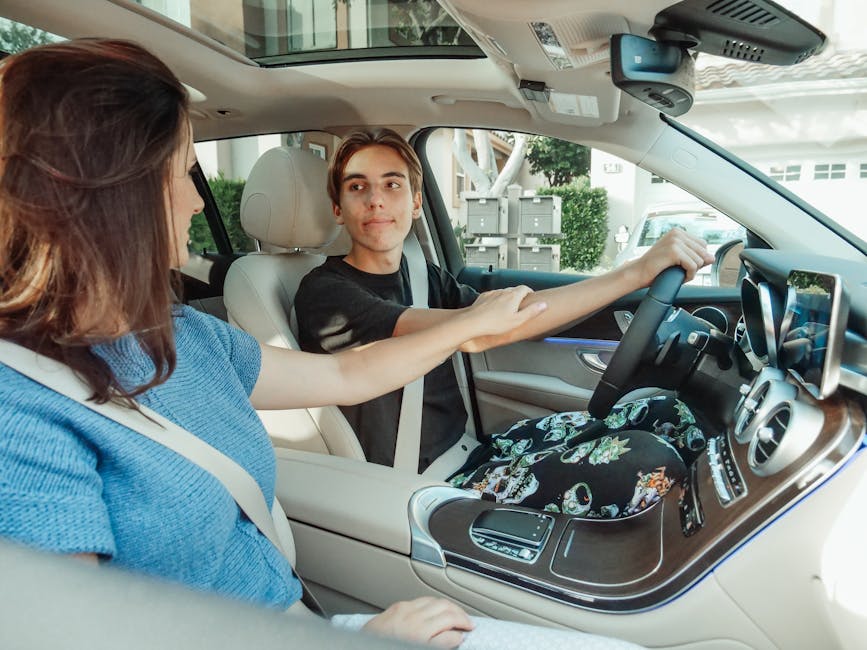
Practical tips for driving: book in advance during high season, choose a small car for narrow streets, check tire condition and insurance coverage, download an offline map (Google Maps offline or Maps.me), and don’t rely solely on GPS in historic centers. For drivers new to Italy, follow simple rules: keep right, signal clearly when changing lanes, and expect closer overtaking than you might be used to. Lastly, have a backup plan (train or bus) if you only plan to visit Bari center — parking can quickly become expensive and stressful.
Practical Comparison and Recommendations by Traveler Type
Choosing between train, bus or car fundamentally depends on your itinerary, budget and appetite for adventure. Here’s a conceptual breakdown (described in text) to help: if your route is limited to Bari and major rail-linked cities (Naples, Rome, Lecce), the train is generally the best compromise; if you’re budget-conscious and flexible, the bus offers the cheapest option; if you want to explore countryside, secluded beaches and off-grid villages, a car is essential.

Concrete examples:
– Weekend traveler from Rome: take the Frecciarossa or Intercity Rome Termini -> Bari Centrale (4h+; fares €29–€60). Advantage: arrive straight into the center. Book 2–3 weeks ahead for lower prices.
– Budget backpacker: FlixBus from Naples or Rome (often €10–€20) + local transport (AMTAB ticket €1.10). Advantage: low cost; downside: longer journeys and less comfort.
– Family with kids and luggage: car from the airport (Europcar / Hertz), or train if you want less logistics. Car advantage: flexibility with bags, beaches and day trips.
– Food road trip: car. Visit Alberobello’s trulli, wine cellars in Matera (Sassi di Matera, address: Piazza Giovanni Pascoli, 75100 Matera MT), and taste focaccia barese at the source.
Other practical tips:
– Buy train tickets on Trenitalia (www.trenitalia.com) or Italo (www.italotreno.it) to compare; for buses, compare FlixBus and local operators via Omio.
– Always validate your bus/tram/urban bus ticket to avoid fines (frequent inspections).
– If renting a car, inspect the vehicle with staff and photograph any damage before you leave; keep all paperwork.
– If you arrive at Aeroporto di Bari and want to reach the center by public transport: the Aerobus BM shuttle (Airport ↔ Bari Centrale) costs about €5 per person, runs every 20–30 minutes, and takes 20–25 minutes; a taxi is roughly €25–€30 for the trip.
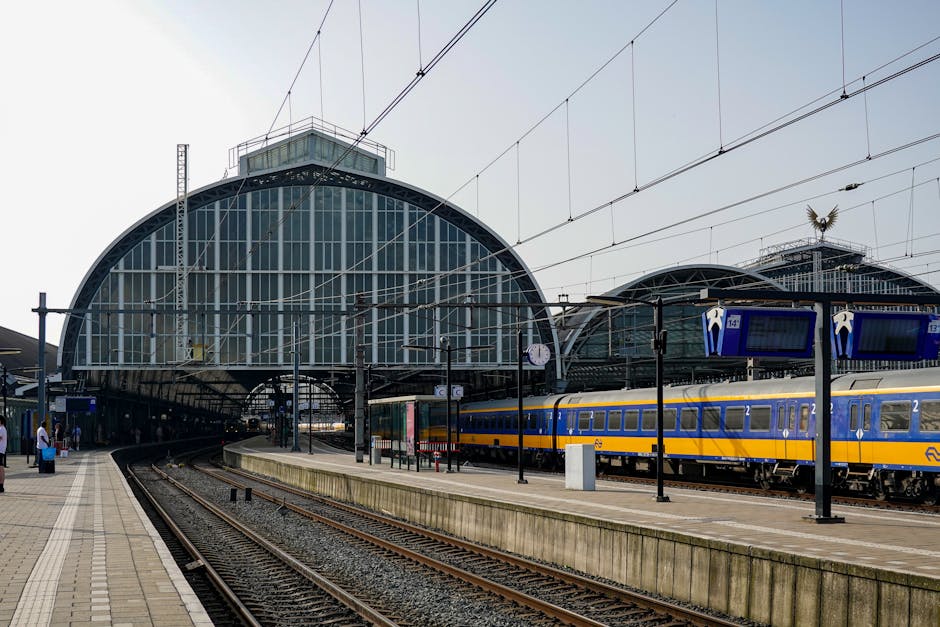
Finally, combine modes: train for long-distance arrival/departure, rental car for 1–2 days of specific excursions. This mixed strategy maximizes comfort, savings and freedom. For example, arrive by train at Bari Centrale, rent a car for two days via Europcar (Viale Enzo Ferrari 1 or a downtown agency) to visit Alberobello and Polignano, then return the car at the airport or station depending on your plans.
Conclusion — Which Option to Choose for Your Trip to Bari?
There’s no one-size-fits-all answer: it depends on your route, budget and the kind of experience you want. If your stay focuses on Bari itself and on major rail-linked cities, the train offers the best balance of speed, comfort and convenience. Bari Centrale (Piazza Aldo Moro, 70121 Bari) drops you right in the heart of the city and close to top sites like the Basilica di San Nicola (Piazza San Nicola, 70122 Bari — usual opening hours 07:00–19:00 for the basilica, subject to religious services), the Castello Normanno-Svevo (Corso Vittorio Emanuele II, 70122 Bari — museum opening often 09:00–19:00, admission roughly €6–€10), and the Teatro Petruzzelli (Via Giuseppe Verdi, 5, 70121 Bari — box office hours vary by programme).
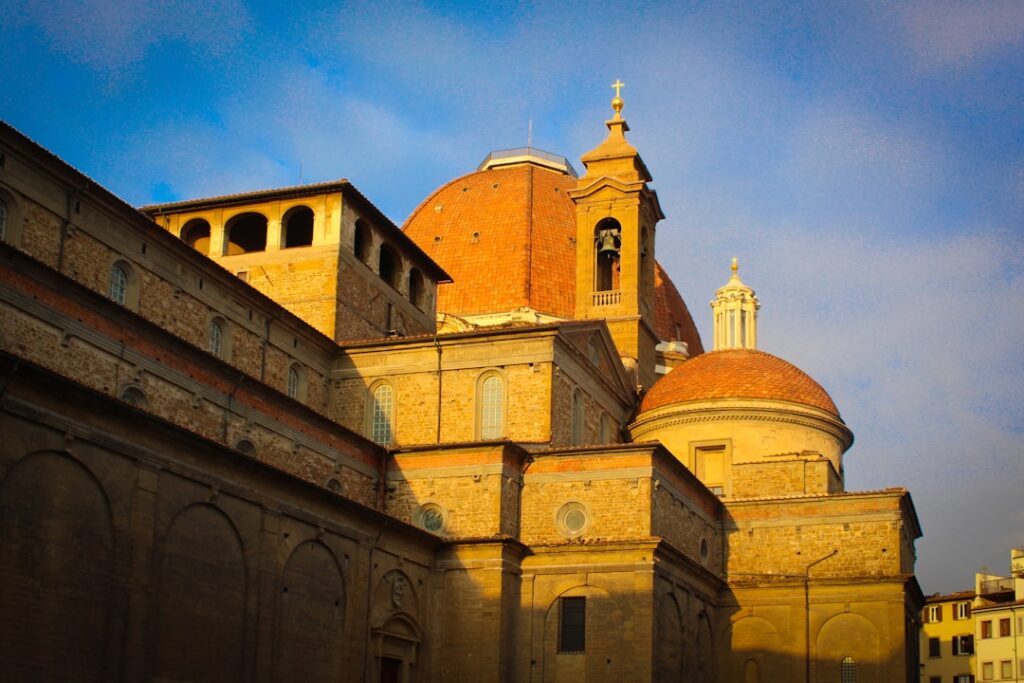
The bus remains the most economical way to reach towns less well served by rail or for long-distance trips on a tight budget (FlixBus: often €8–€20 for interregional links). Use the autostazione (Via Giuseppe Capruzzi, 207) to compare offers; remember some buses run direct to small tourist spots off the rail network like Castellana Grotte (Piazza XX Settembre, 8) and seasonal services to Alberobello.
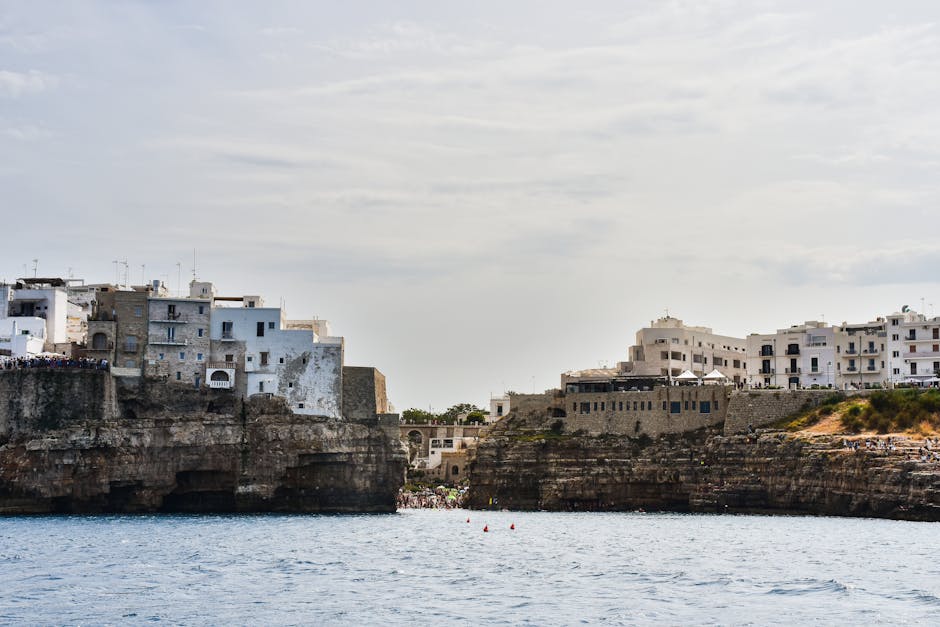
A car adds real value if you plan to stray from main routes: freedom to set your own itinerary, unplanned stops at farmhouses, secluded beaches and viewpoints. Renting at Aeroporto di Bari – Karol Wojtyła (Viale Enzo Ferrari, 70128 Bari) is convenient, but factor in extra costs (fuel, tolls, parking at €1.10–€1.50/hour in the center) and ZTL restrictions in town. For an ideal road trip, pick a small car, reserve parking if needed and download offline maps.
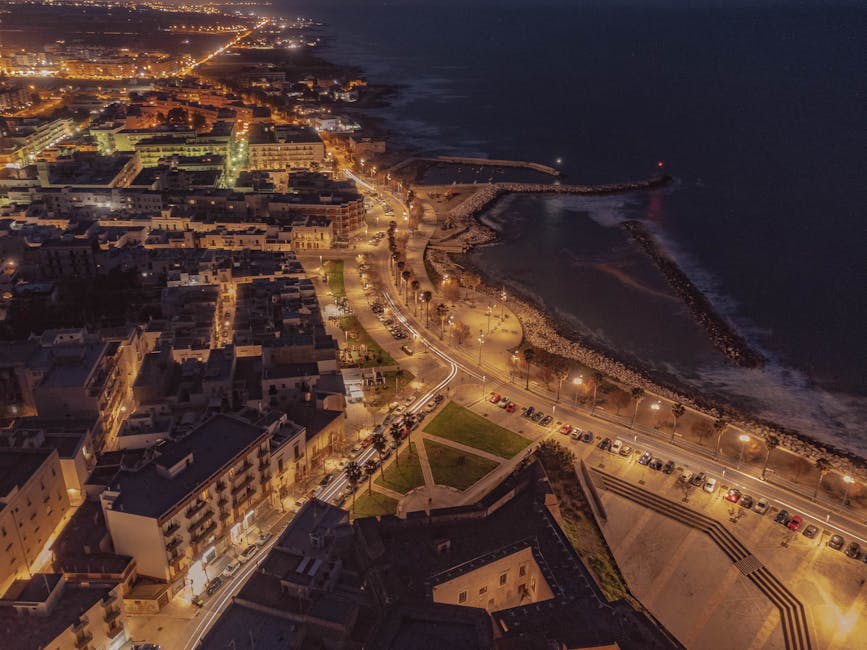
My final tip: mix transport modes. Arrive by train for a stress-free journey, rent a car for a couple of days of excursions, and finish by bus if you want to save on the last leg. Always check schedules and fares a few days before departure (Trenitalia, Italo, FlixBus, local rental agencies), plan refueling stops if needed, and adapt choices to the weather and tourist season. With a little planning, Bari becomes a perfect launch point to discover Apulia’s cultural, culinary and scenic riches — whether you go by train, bus or car.