





Introduction
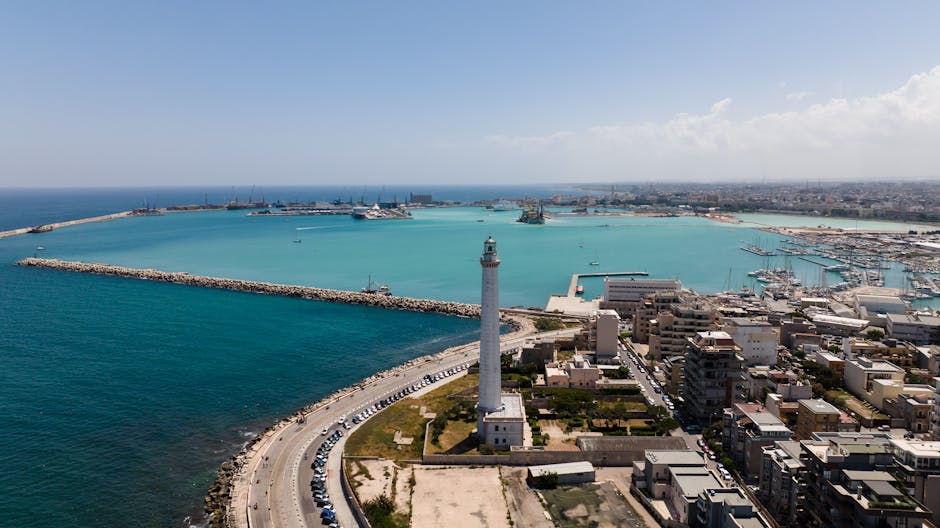
Exploring Bari on foot, the capital of Italy’s Puglia region, is like stepping into a story where every street has a tale that goes back centuries. Bari is very walkable: its old town, Bari Vecchia, is best experienced on foot and reveals narrow lanes, private courtyards and weathered facades. This guide isn’t just a collection of technical routes — it offers immersive walks that blend religious heritage, seaside vistas, local markets and tasty stops. Whether you’ve got an hour to spare or a whole day to wander, these essential walking routes come with practical tips and precise addresses to help you make the most of your visit.
Walking in Bari highlights striking contrasts: on one side the airy, modern seafront of the Lungomare Nazario Sauro with terraces and promenades; on the other the medieval maze of Bari Vecchia where daily life unfolds to the rhythm of conversations and the clatter of pots and pans. Iconic landmarks — the Basilica di San Nicola (Piazza San Nicola), the Castello Normanno-Svevo (Lungomare Imperatore Augusto, 70121 Bari BA) and the Teatro Petruzzelli (Piazza Giuseppe Verdi, 1) — are all within walking distance from the city’s main entry points. But beyond the monuments, it’s the sensory details that make walking here so rewarding: the smell of freshly baked focacce, clothes flapping on lines, and the Adriatic sparkling in the late-day light.
In this article each route is described in detail: full addresses, opening hours, entrance fees when relevant, and practical advice to tailor your walk by season, time of day or type of traveler. You’ll also find suggestions for refreshment stops — cafés, gelaterias, urban beaches — plus local tips to avoid peak hours or catch the best light for photos. Whether you like leisurely strolls, architectural photography, culinary discoveries or historical exploration, these walking routes offer an authentic, sustainable way to experience Bari.
To prepare for your walks, bring comfortable shoes, a reusable water bottle (tap water is drinkable at public fountains), and check monument hours during religious festivals or public holidays. Bari’s walking routes are not only accessible but deeply satisfying: the city becomes an open-air gallery waiting to be discovered step by step.
1. Historical Walk through Bari Vecchia and the Basilica di San Nicola
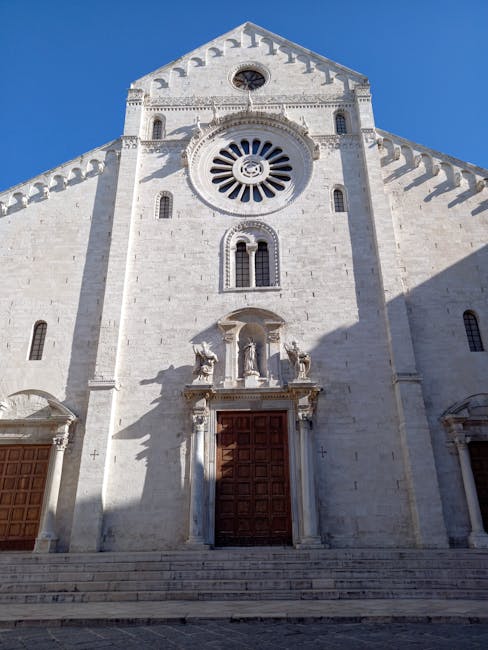
Bari Vecchia is the city’s medieval heart — a maze of cobbled alleys where daily life mixes with historical remnants. Start your walk at Piazza Mercantile (Piazza Mercantile, 70122 Bari BA), a lively square lined with cafés, then head to Piazza del Ferrarese (Piazza del Ferrarese, 70122 Bari BA) to soak up the local buzz. From there, slip into Bari Vecchia through the winding lanes that lead to the Basilica di San Nicola (Piazza San Nicola, 70122 Bari BA), the main shrine dedicated to Saint Nicholas and a focal point for pilgrims and visitors alike.
Immersive description: the Basilica di San Nicola presents a solid Romanesque façade and an interior where light and stone play together. Access to the main nave is usually free (no admission fee), though donations are appreciated for certain areas or guided visits. Approximate hours: daily from 7:00 to 19:00; during liturgical periods service schedules may affect access. Exact address: Piazza San Nicola, 13, 70122 Bari BA. Practical tip: arrive early (8:00–9:00) to avoid crowds, and dress respectfully if you plan to attend religious services.
As you continue through small squares and inner courtyards, you’ll witness everyday scenes — women making orecchiette by hand, children playing, and fresh fish stalls near the harbor. Via degli Operai and Via Arco Basso are main arteries for capturing the authentic feel of Bari Vecchia. Food tip: pause at Panificio Fiore (Via Abbrescia 39? — check the local address) to try traditional focaccia; indicative price: around €2–4 per slice depending on the topping.
2. The Lungomare and Castello Normanno-Svevo: a panoramic seafront
Bari’s seafront is one of the city’s most emblematic features. Start on the Lungomare Nazario Sauro (Lungomare Nazario Sauro, 70121 Bari BA), a broad promenade along the Adriatic with open views, benches, palm trees and cafés perfect for a break. Walking south will bring you to the Castello Normanno-Svevo (Lungomare Imperatore Augusto, 70121 Bari BA), an imposing medieval fortress overlooking the sea.
Detailed description: the Castello Normanno-Svevo, or Svevo Castle, features massive towers and ramparts that invite exploration. Address: Lungomare Imperatore Augusto, 4, 70121 Bari BA. Opening hours: typically Tuesday to Sunday, 9:00–19:00 (closed Mondays), but check before you go — cultural events can change access. Entrance fee: roughly €6–8 for standard admission (reduced rates for students and seniors). The castle sometimes hosts temporary exhibitions and themed guided tours.
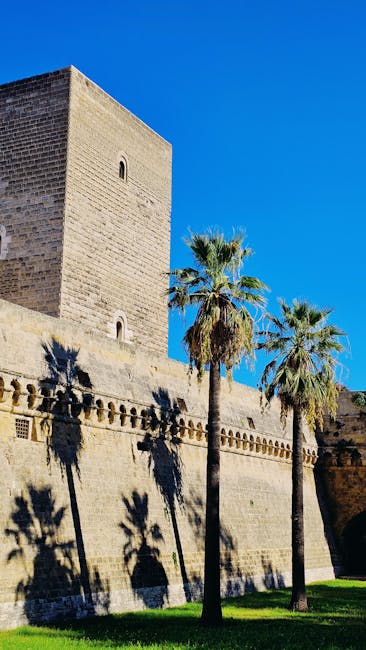
The views from the castle’s northern bastion offer a striking panorama of the harbor and skyline. Continue along the Lungomare to the Fortino di Sant’Antonio (near Piazza Tancredi, 70121 Bari BA), a small fortification that makes a charming viewpoint at sunset. For coffee with a view, stop at one of the Bar Lungomare spots along the seafront: an espresso typically costs €1–1.50, and a cappuccino €1.50–2.50.
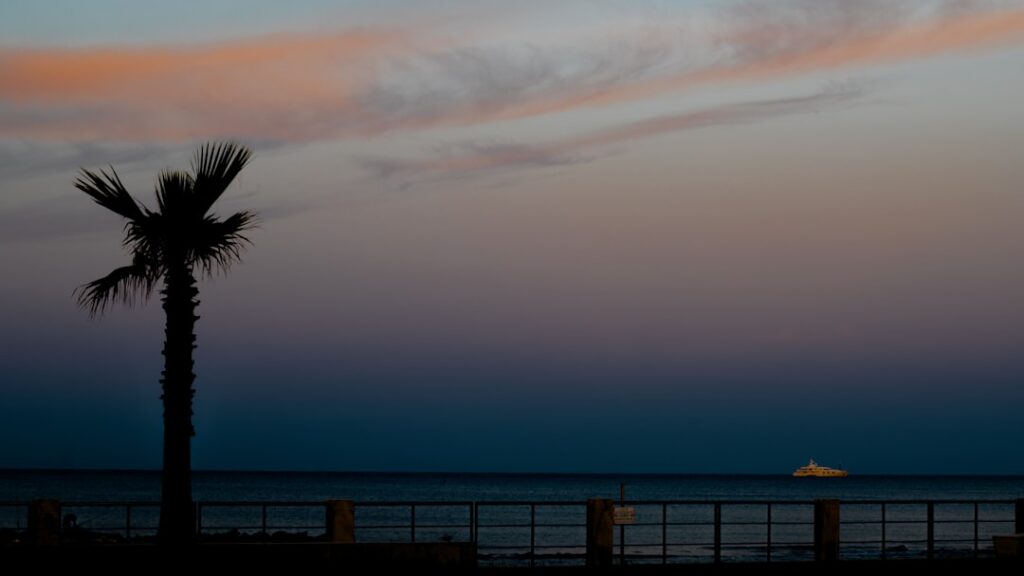
Practical tips: the Lungomare is great for a cool morning walk or an evening stroll to catch the sunset. Bring a light jacket — the sea breeze can be cool even in summer. If you want to stretch the route, follow the promenade to the Spiaggia di Pane e Pomodoro (Spiaggia Pane e Pomodoro, Lungomare Bari) for a swim or some beach time on the city’s urban shore.
3. A Foodie Route: markets, street food and café stops
Bari is a city to be savored with both eyes and palate. A walking route focused on gastronomy will take you through markets, small artisanal food shops and the lanes where local specialties are prepared. Start at the Mercato di Via Piccinni (Via Quintino Sella / Via Piccinni area, 70121 Bari BA) or, for a more traditional experience, hit the fish market at the port near Piazza del Ferrarese early in the morning when fishermen bring in their catch.
Immersive description: wander along Via Sparano da Bari and Via Putignani to spot bakeries and pastry shops. For a sweet break, look for an artisanal gelateria like Il Gelatiere (locations vary around town): a cone of handmade gelato usually costs €2.50–4.00 depending on size. Don’t miss the city’s most famous specialty: handmade orecchiette, often made in the streets of Bari Vecchia; a portion in a family-run trattoria typically costs around €6–10.
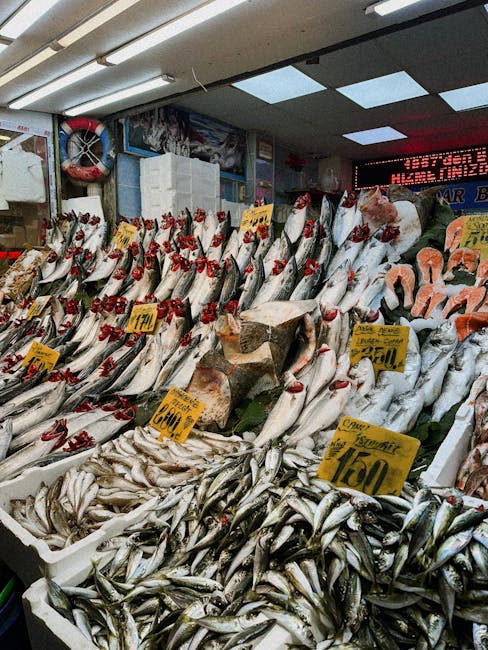
Stop for a Bari-style focaccia at Focacceria Santa Rita (address: Via Nicolai? — confirm the local shop) — the focaccia barese, topped with cherry tomatoes, olives and olive oil, costs about €3–5 depending on size. For a sit-down meal, Trattoria Il Pescatore (example: Via Roberto da Bari 50? — check locally) serves fresh seafood; price examples: antipasti €6–12, main courses €12–20.
Practical tips: markets are liveliest between 8:00 and 11:00 — arrive early to see the bargaining and pick the freshest fish. Locals appreciate politeness: a simple buongiorno often opens doors. To taste authentic focaccia, avoid touristy spots and look for small bakeries frequented by residents. Carry cash: some small stalls don’t accept cards.

4. Cultural Circuit: Teatro Petruzzelli, Museo Archeologico and surroundings
For culture lovers, a walking route linking the Teatro Petruzzelli, the Museo Archeologico Nazionale di Taranto (note: this one is in Taranto — for Bari, prefer the Museo Archeologico di Bari), and local galleries lets you mix modern architecture with historical collections. The Teatro Petruzzelli (Piazza Giuseppe Verdi, 1, 70122 Bari BA) is Bari’s largest theatre and one of Italy’s most important. Address: Piazza Giuseppe Verdi 1, 70122 Bari BA. Guided visit hours vary with the season and program; ticket prices for performances range from €10 to €120 depending on the event.
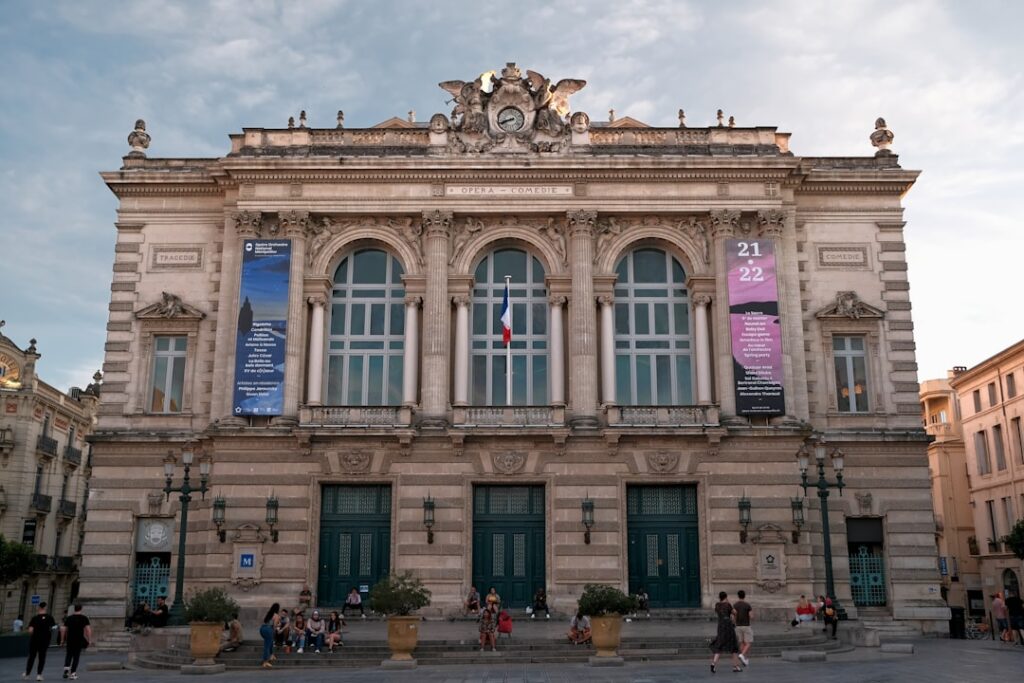
Nearby is the Museo Archeologico Nazionale di Bari (Via Abate Gimma, 1, 70121 Bari BA) — double-check the address before you go. It displays collections on local archaeology, finds from the Puglia region, and Roman and medieval artifacts. Approximate hours: Tuesday–Sunday 9:00–19:00; admission roughly €4–6 (reduced rates for students and seniors). These sites often offer audio guides or thematic tours — great for digging deeper into regional history.
Immersive description: wandering this cultural district you’ll notice baroque façades, grand townhouses and artisan shops. Look for small bookshops and contemporary art galleries along Via Sparano and nearby streets. For a literary pause, cafés like Caffè Vergnano near the theatre provide a relaxing spot; price examples: coffee €1–2, pastry €2–4.

Practical tips: check performance and exhibition schedules online a few days ahead — popular shows sell out. If you visit museums, bring ID and check for discounts (under 25s, seniors, teachers). Explore Via Sparano for local designer shopping and finish the walk in a traditional osteria to sample Puglian wines (a typical local bottle: €10–20).
5. Extended Coastal Walk: from Bari to Torre Quetta and the city beaches
If you like mixing urban walking with coastline scenery, a coastal route starting from the old town and heading south makes for a lovely day out. Begin at the Lungomare Nazario Sauro, pass the Castello Normanno-Svevo, then follow the coast toward the bathing area of Torre Quetta (Lungomare Starita / Viale della Torre Quetta, 70126 Bari BA). Total distance round-trip can range from 6 to 12 km depending on your start point and chosen path — ideal for a half-day or a full-day outing.
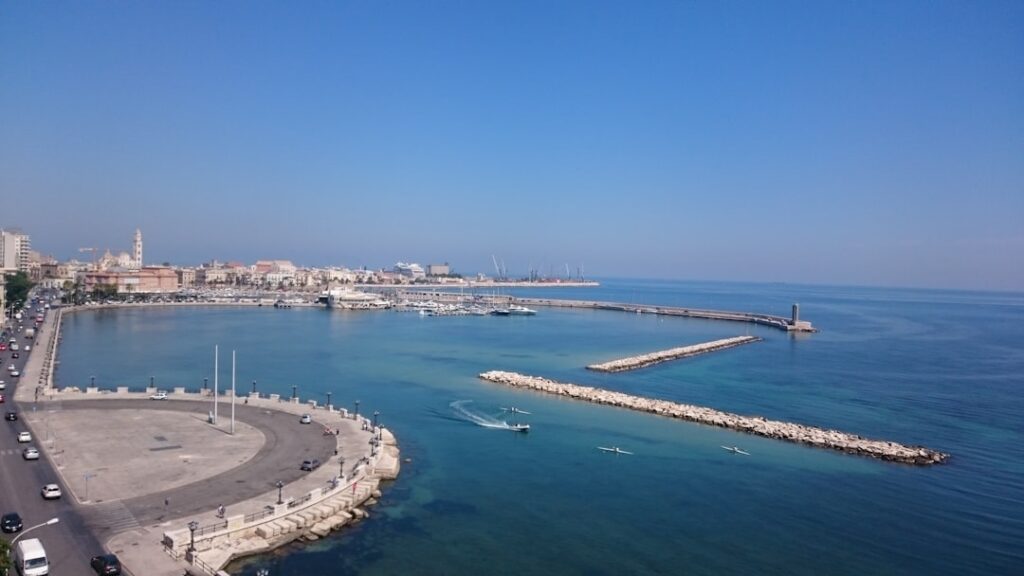
Detailed description: the urban beach of Pane e Pomodoro (Spiaggia di Pane e Pomodoro, Lungomare Bari) is one of Bari’s busiest beaches, located near the city center and popular for swimming in summer; public access is free. For a quieter setting, continue on to Torre Quetta where there are sandy stretches and managed beach areas. Practical note: Pane e Pomodoro sometimes has seasonal facilities (showers and sunbeds for a fee); prices vary — sunbed €8–15 per day depending on the private beach. Bring a towel and sunscreen, and avoid the hottest hours (12:00–16:00) in peak summer.
Along the way, stop at Parco 2 Giugno (Viale della Repubblica, 70121 Bari BA), a pleasant green space perfect for resting in the shade after several kilometers of walking. For a post-beach meal, Torre Quetta has small seafood restaurants where main courses usually cost around €12–20.
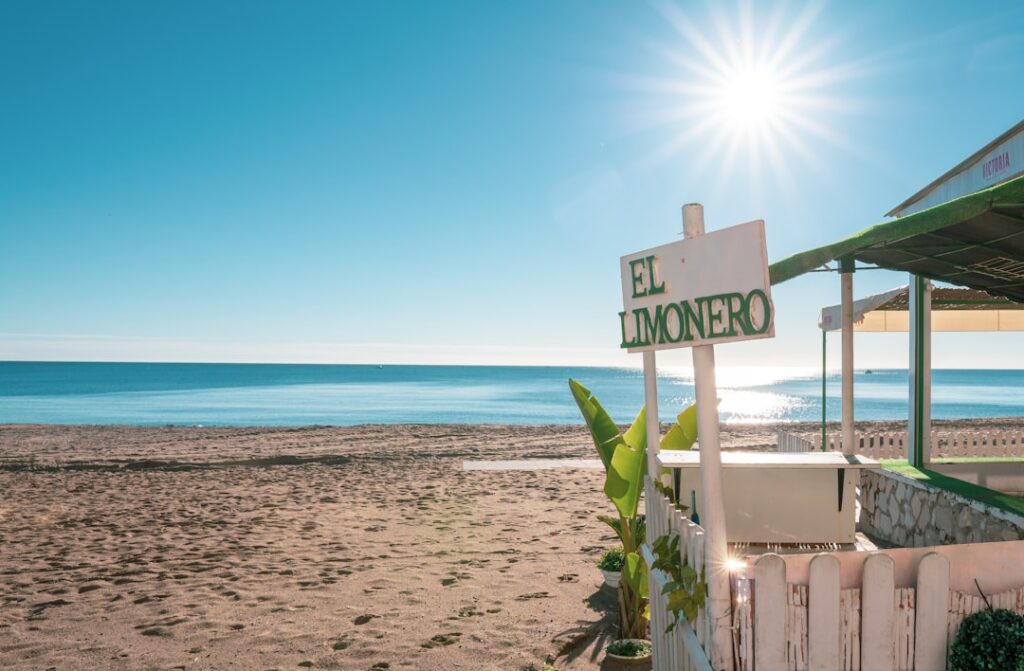
Practical tips: if you plan to walk long distances, wear breathable shoes, bring water and snacks, and check the weather — the Adriatic wind can make it feel cooler. Local buses (BariMobilità) serve parts of the seafront if you need to shorten your return trip; a single bus ticket costs around €1.50–2.00. At the end of the day, choose the Lungomare for your return to enjoy the sunset over the sea and the lights that bring the city to life.
Conclusion
Exploring Bari on foot is a unique way to get to know the city in depth. The suggested routes — winding medieval lanes, panoramic seafronts, lively markets, cultural institutions and urban beaches — cover a wide range of experiences for all types of travelers. Each route features clear points of interest: the Basilica di San Nicola (Piazza San Nicola, 13, 70122 Bari BA) with its religious and architectural atmosphere; the Castello Normanno-Svevo (Lungomare Imperatore Augusto, 4, 70121 Bari BA) with ramparts overlooking the sea; the Teatro Petruzzelli (Piazza Giuseppe Verdi, 1, 70122 Bari BA) with its cultural evenings; and stretches of coast like Pane e Pomodoro and the Torre Quetta area for beach escapes.
Practical and rewarding, walking in Bari suits short 1–2 hour outings as well as full days of exploration (6–8 hours). To get the most from these walks, follow a few simple rules: wear comfortable shoes, hydrate often, adapt your route to the weather and monument opening times (always check current museum and religious site hours), and favor early morning or late afternoon visits to avoid heat and crowds. Carry a small guide or save the GPS coordinates of the places mentioned — Piazza Mercantile, Piazza del Ferrarese, Lungomare Nazario Sauro, Lungomare Imperatore Augusto, Piazza Giuseppe Verdi — to help with navigation.
Finally, remember that the best way to discover Bari is to balance structure with spontaneity: follow an itinerary, but allow yourself to be tempted by an unexpected alley, an artisan shop, or a family-run trattoria. The people of Bari are warm and often happy to share local recommendations — a simple buongiorno or grazie can lead to unforgettable discoveries. Whether you’re after heritage, local flavors or seaside views, Bari reveals itself best on foot, step by step.