





Introduction — Bari Film Festival: Screenings, Meetups & Behind-the-Scenes
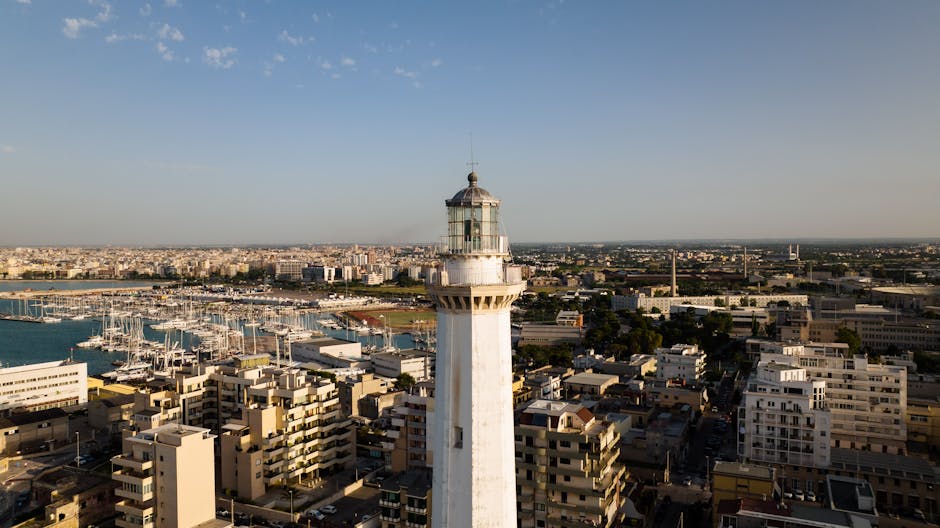
Every spring, Bari — Puglia’s gateway to the Adriatic — turns into an international stage for cinema. The Bari Film Festival, widely known locally as Bif&st (Bari International Film Festival), draws directors, actors, critics and film buffs for a week of screenings, masterclasses, industry meetups and outdoor events. Nestled between the old port and the Lungomare, Bari provides a distinct backdrop: neo‑baroque facades, medieval alleys and seaside views set the scene for a festival that mixes glamour, discovery and friendly local vibes.
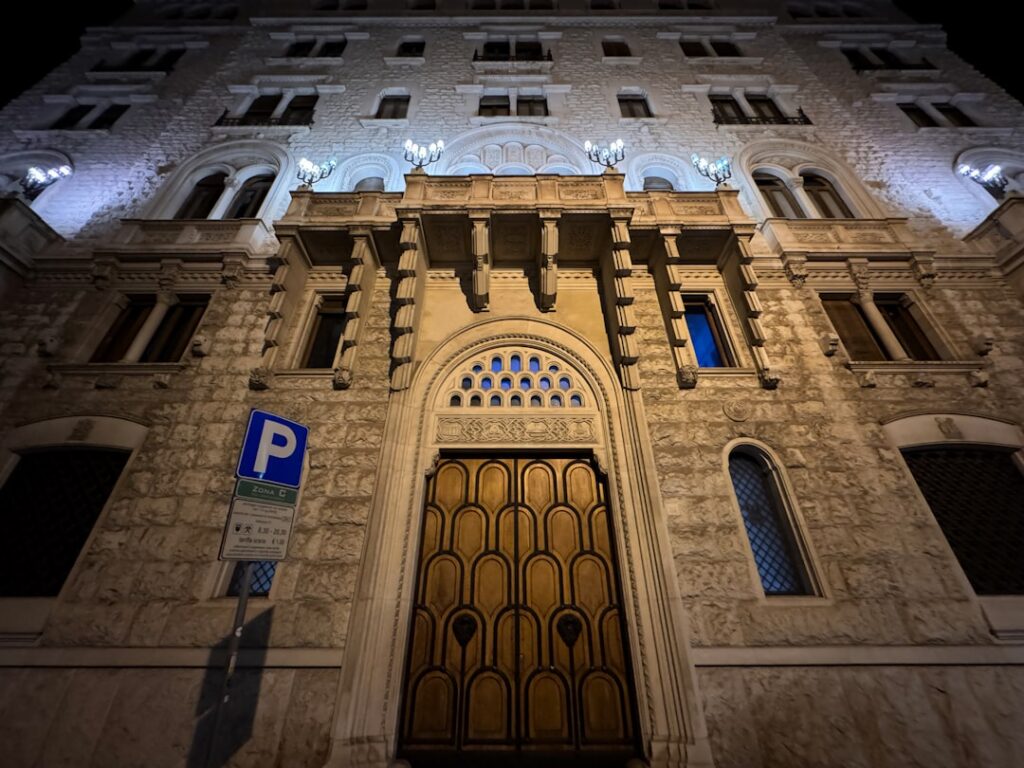
For visitors, the festival is both a chance to catch premieres and restored classics and an opportunity to see how contemporary film production works. Screenings happen in the city’s landmark venues: the majestic Teatro Petruzzelli (Piazza Giuseppe Verdi, 1, 70121 Bari BA), an open‑air cinema on the Lungomare Nazario Sauro and several partner theaters across the historic center. Beyond public screenings, the festival hosts industry panels, hands‑on technical workshops (editing, sound, color grading), school sessions and presentations of projects in development — creating a bridge between artists, industry players and audiences.
This practical guide is written for travelers and cinephiles: it lays out a typical program, exact venues, usual schedules and ticket prices in euros, with local tips to make the most of your festival experience. You’ll find details on buying tickets (single tickets and passes), the main screening locations, unmissable off‑program events, plus accommodation and dining recommendations near the festival sites. Whether you’re in town for a day or the whole week, this guide will help you plan your routes, pick must‑see sessions and experience the festival like a Bari local.
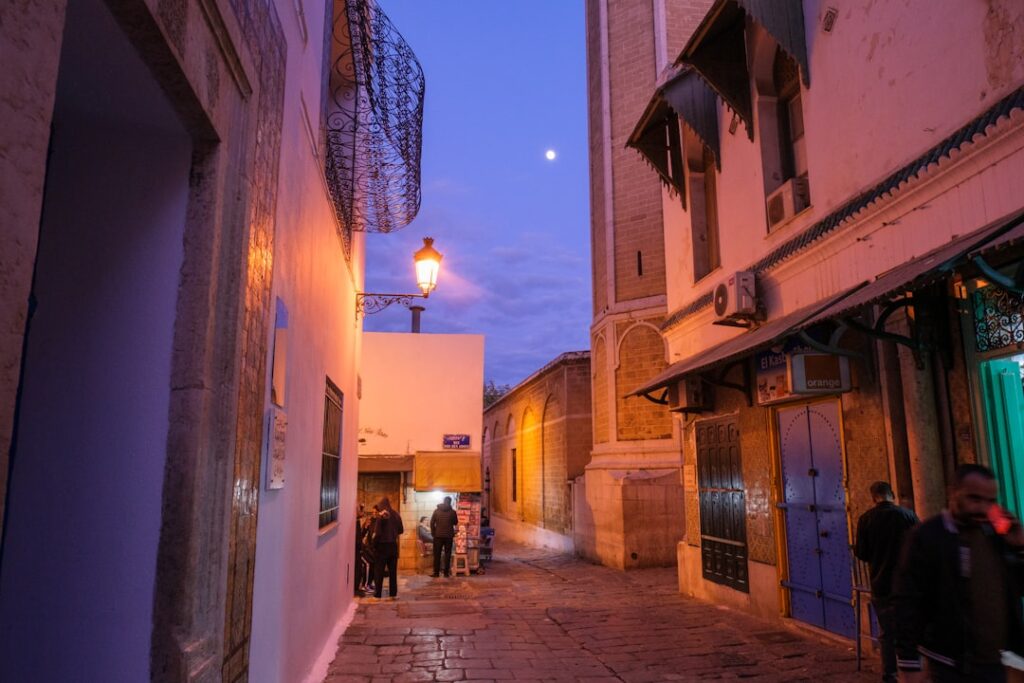
We’ll also go behind the scenes: how masterclasses run, where the networking happens, how professional accreditations work and where to spot real on‑set and postproduction activity during the festival. The local tips aim to maximize comfort (best times to avoid the heat, efficient transport options, restaurants near the theaters) and ensure a smooth, immersive experience from choosing screenings to wandering the Borgo Antico lanes. Bring a notebook, your digital pass and curiosity: Bari is waiting, camera in hand.
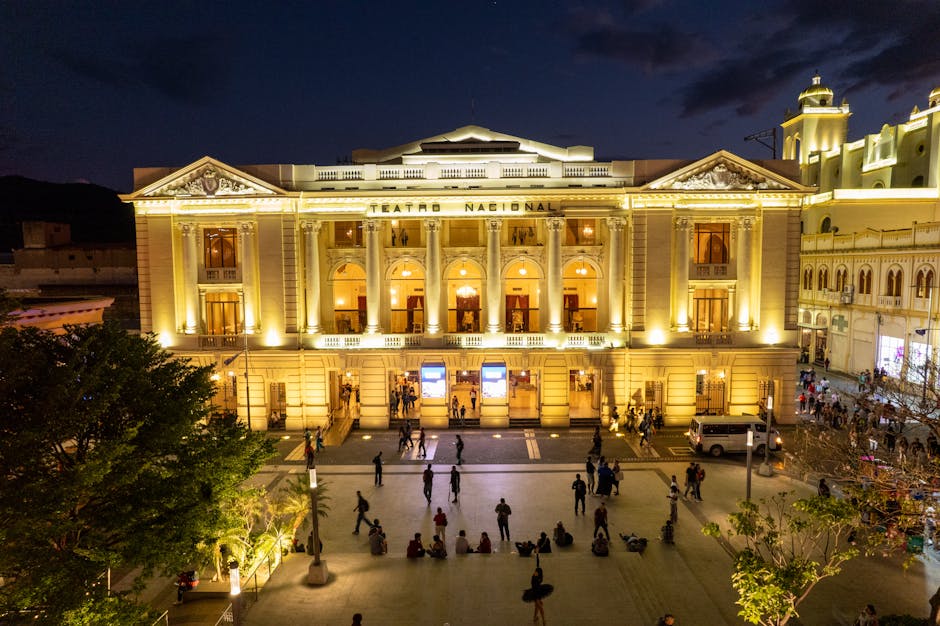
Festival Overview: Origins, Format and Key Venues
The Bari Film Festival, traditionally called Bif&st, was born to bring audiences closer to film professionals from Italy and abroad. Held annually, usually in spring (dates vary by edition), it combines competitions, retrospectives, tributes and industry events. While the lineup changes every year, the structure is consistent: competitive sections, special screenings and retrospectives dedicated to directors, alongside professional days focused on co‑producers and distributors.
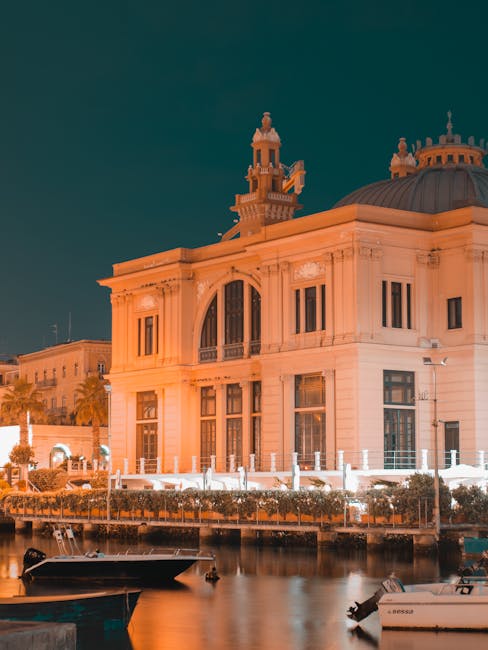
The venues reflect Bari’s character: Teatro Petruzzelli (Piazza Giuseppe Verdi, 1, 70121 Bari BA) is the flagship. Recently restored, this neo‑baroque house hosts major premieres and opening ceremonies. Ticket prices vary by seat and event: typically, a Petruzzelli screening costs between €8 and €15 depending on the program and guests. Sessions here are usually in the evening, roughly between 18:00 and 23:30 for headline events.
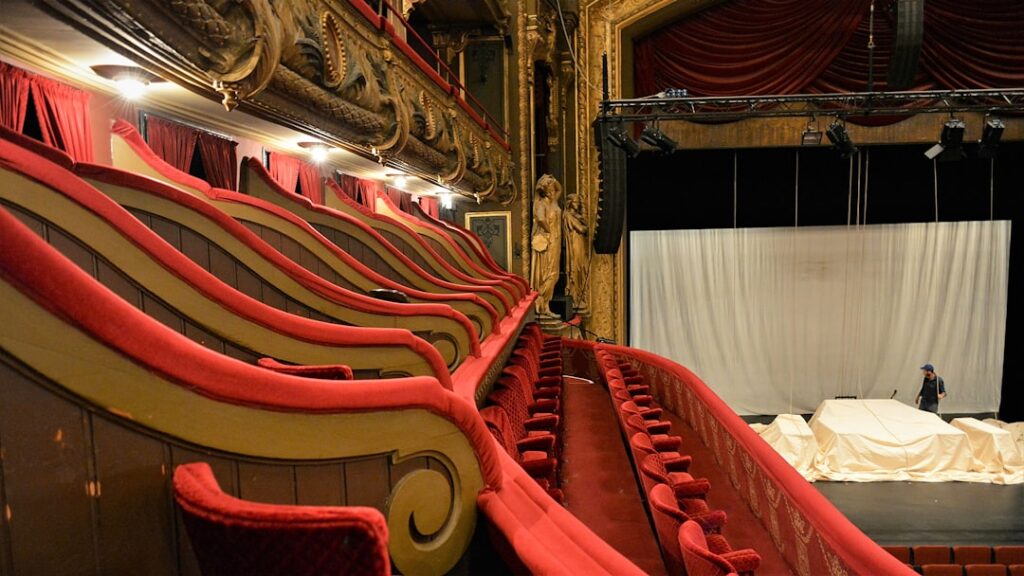
Teatro Margherita (Lungomare Nazario Sauro, 70121 Bari BA) is another hub, often dedicated to foreign features, documentaries and evening outdoor cinema along the promenade. Daytime sessions often start at 10:00, with school screenings in the morning up to 14:00, and afternoon/evening slots from 16:00 to 22:30. Tickets here are usually more affordable: around €5–€10 depending on the program.
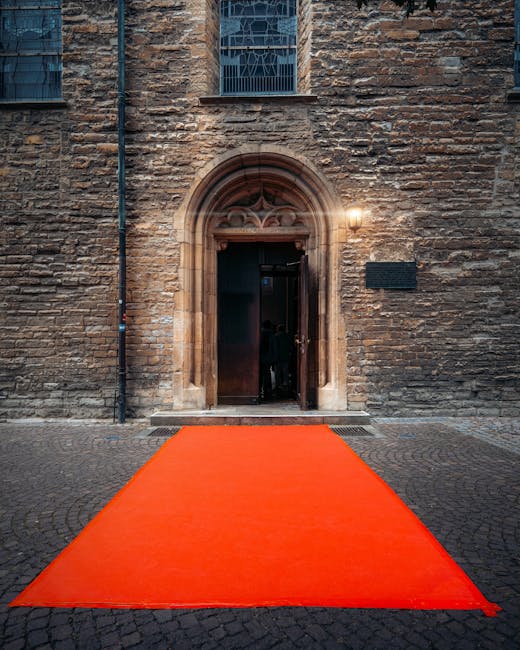
Aside from theaters, the festival uses university rooms and independent cinemas for talks and workshops. The Università degli Studi di Bari « Aldo Moro » (Piazza Umberto I, 1, 70121 Bari BA) hosts masterclasses and professional meetings; many of these are free with registration, while technical workshops usually have fees (roughly €20–€120 depending on length and level). For smaller films and special showcases, venues like il Cineporto (local production facilities) and partner screening rooms in the Borgo Antico are put to use, giving the festival a varied and accessible footprint.
Program Highlights: Films, Retrospectives and Must‑See Screenings
The festival program balances arthouse cinema, crowd‑pleasers, documentaries and new audiovisual forms. International and national competitions often premiere films, while retrospectives bring restored Italian and European classics back to the screen. A typical festival day features morning slots (10:00–13:00), afternoons (15:00–18:00) and evenings (19:30–23:30), with highlights like premieres and gala nights.
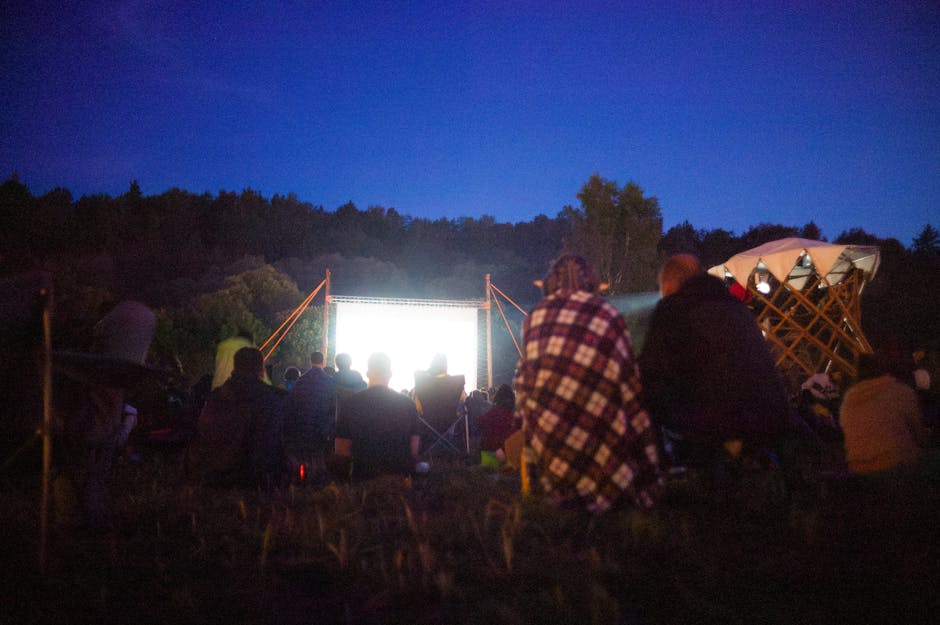
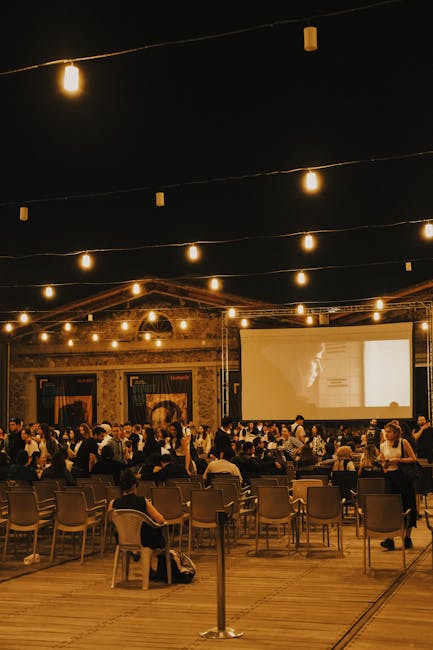
Unmissable events usually include: the opening night at Teatro Petruzzelli (typically at 20:30), the open‑air screening on the Lungomare (perfect for documentaries and Italian films), and themed programs at Teatro Margherita. Typical ticket pricing is: single screening €5–€15, day pass €20–€35, festival pass (multi‑access) €50–€200 depending on category (student, professional, VIP). Advance sales open online on the festival’s official site around 2–3 weeks before the event, and box offices at the theaters open about a week prior. During the festival, box office hours are usually 10:00–13:00 and 16:00–20:00.
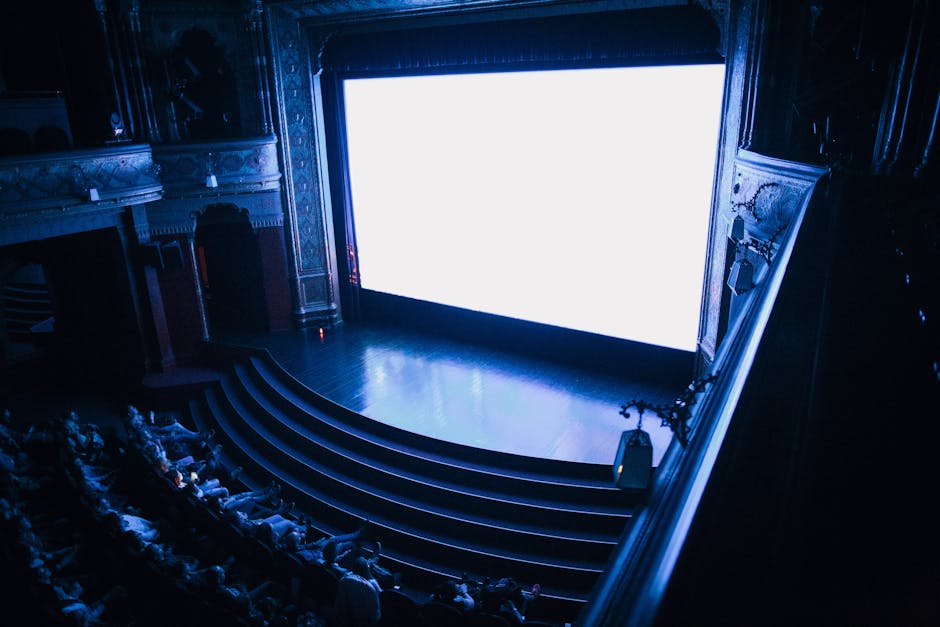
Retrospectives often deserve special attention: restored rare Italian films, director’s‑cut screenings and cycles dedicated to important cinema figures (tributes to Italian or European directors, for example). Industry delegates will find private screenings and pitch sessions for projects in development. For students and emerging filmmakers, the festival sometimes offers a short film corner where local and international shorts are shown, often judged by juries of professionals. These sessions are prime networking opportunities — arrive 15–30 minutes early to meet directors and producers in the lobby.
Panels, Workshops & Backstage Access: How to Attend Masterclasses and Industry Talks
Panels and workshops are at the heart of the festival’s behind‑the‑scenes program. Whether it’s a masterclass with a celebrated director, a hands‑on editing workshop or a session on international distribution, these events give a direct look into the creative and industrial side of filmmaking. Masterclasses are often held at the Università degli Studi di Bari « Aldo Moro » (Piazza Umberto I, 1, 70121 Bari BA) or in conference rooms attached to the main theaters, typically between 10:00 and 18:00.
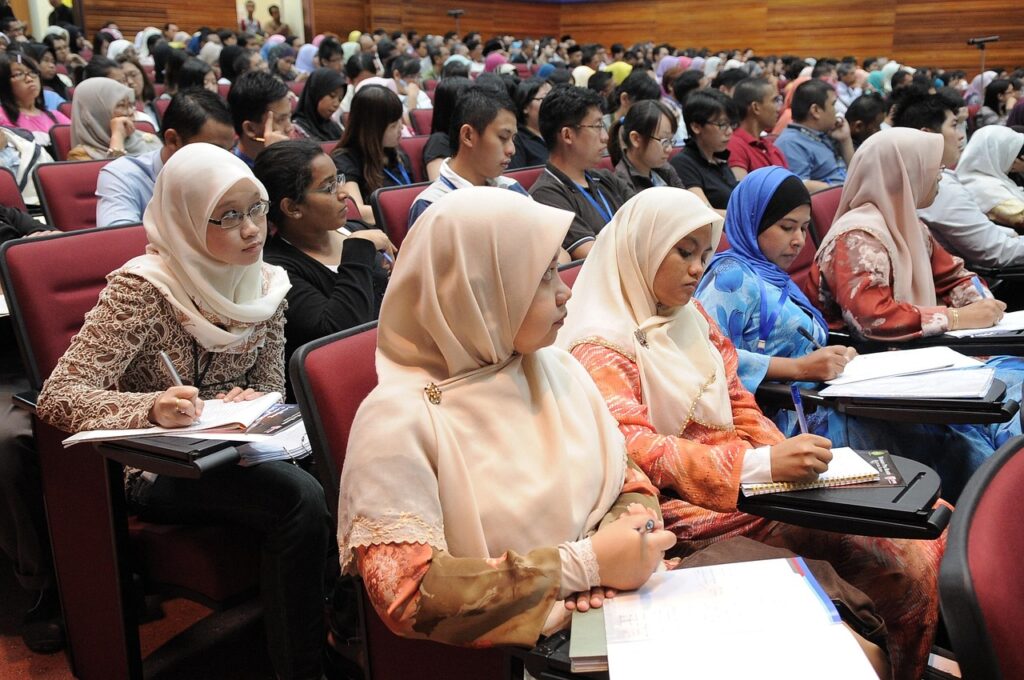
Technical workshops (sound, color grading, VFX) usually require paid registration. Typical fees: half‑day workshop €30–€60, full‑day workshop €80–€120. Places are limited (often 20–40 participants) to ensure a practical, interactive experience. Sign‑ups are handled online via the festival portal; book as soon as registration opens because these sessions fill fast.

For industry professionals, the festival runs panels on international coproduction, the film market and digital distribution. These are usually scheduled late afternoon (17:00–20:00) and may require paid professional accreditation. Accreditation fees: single‑day professional pass €30–€50, full professional accreditation €100–€200 depending on included services (screenings access, networking lounge, documents). Apply online with proof of professional status (press card, production company badge, etc.).
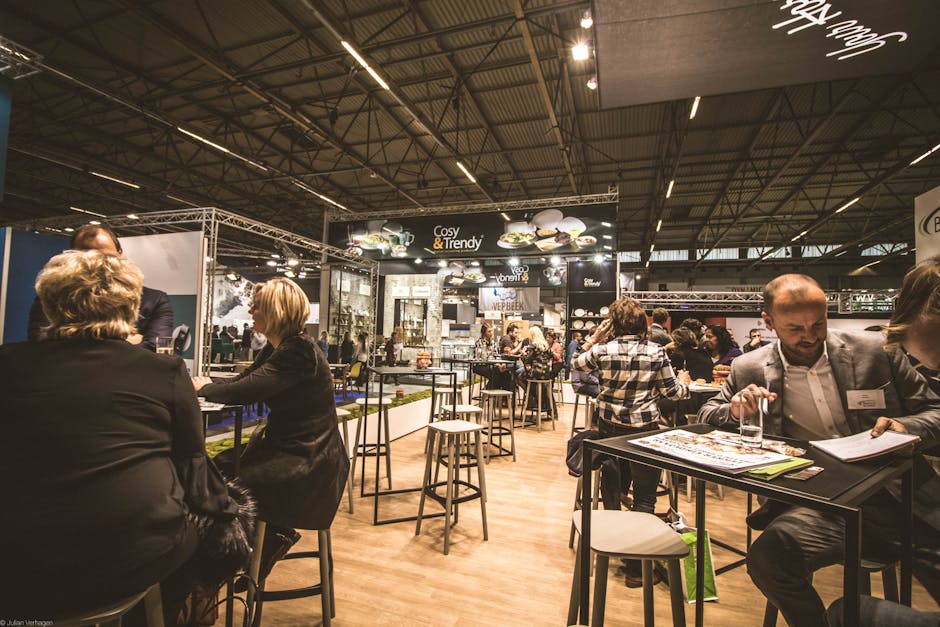
On the audience side, Q&A sessions after screenings are common; directors and actors often stay for questions from the crowd. These talks are frequently included in the screening ticket. Occasional on‑set visits or behind‑the‑scenes tours of local production facilities are announced in the program; they provide a peek at regional studios (Puglia has been developing a network of cineports and studios) and demos of professional gear. Practical tip: to join Q&As, get there 30 minutes early and take an aisle seat — organizers prefer to keep rows clear for smooth interaction.
Practical Info: Exact Venues, Prices, Transport and Local Tips
To plan your stay during the Bari Film Festival, here’s a compact practical guide to venues, schedules and prices so you can make the most of each day.
- Teatro Petruzzelli — Piazza Giuseppe Verdi, 1, 70121 Bari BA. Prices: single ticket €8–€15. Box office hours during the festival: 10:00–13:00 and 16:00–20:00. Access: about a 10‑minute walk from the Central Station (Stazione di Bari Centrale, Piazza Moro Aldo, 70121 Bari BA).
- Teatro Margherita — Lungomare Nazario Sauro, 70121 Bari BA. Prices: single ticket €5–€10. Screening hours: 10:00–22:30 depending on the program. Ideal spot for an outdoor screening followed by a nighttime stroll along the Lungomare.
- Università degli Studi di Bari « Aldo Moro » — Piazza Umberto I, 1, 70121 Bari BA. Masterclasses and panels: often free but require registration (some workshops paid €20–€120 depending on topic).
- Train station — Bari Centrale, Piazza Aldo Moro, 70121 Bari BA. Regular train services run roughly 05:00–00:30 (frequency varies by destination). From the airport (Aeroporto Karol Wojtyla di Bari, Km 8 from the airport), the Aerobus shuttle links the airport to the station: fare about €5; journey time 20–30 minutes depending on traffic.
- Tickets & Passes — Single tickets: €5–€15. Day pass: €20–€35. Full festival pass: €50–€200 (student concessions available). Online purchase recommended; physical box offices at the theaters open about a week before the festival.
Local transport: Bari has a bus network (AMTAB) and taxis. Walk from the station to the historic center in about 10–15 minutes; a taxi typically costs around €8–€12 depending on time of day. Parking around the theaters is limited; use public car parks such as Parking Pane e Pomodoro (Lungomare, near Teatro Margherita) — daily rates €12–€25 depending on season.
<img width="682" height="1024" src="https://ue.is/wp-content/uploads/sites/53/2026/06/street-food-panzerotto-bari-outdoor-market-near-festival-area-1-682×1024.jpg » class= »aligncenter » alt= »Street vendor selling panzerotti near the festival area » loading= »lazy » />
Where to stay: options for festivalgoers include:
– Grand Hotel Bari / Grande Albergo delle Nazioni (Lungomare Nazario Sauro, 15, 70121 Bari BA) — approx. €120–€250/night depending on season. Close to Teatro Margherita.
– Hotel Palace (Largo Giannella, 15, 70121 Bari BA) — €90–€160/night, near Teatro Petruzzelli.
– B&Bs and apartments in the Borgo Antico (old town lanes) — €50–€120/night, great for soaking up local atmosphere.
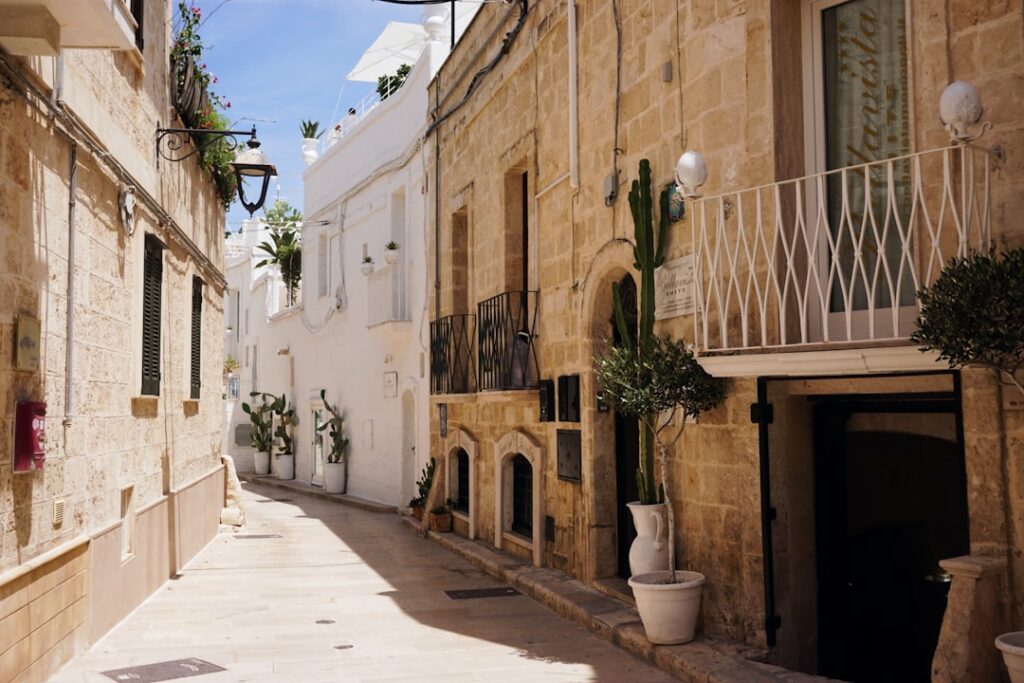
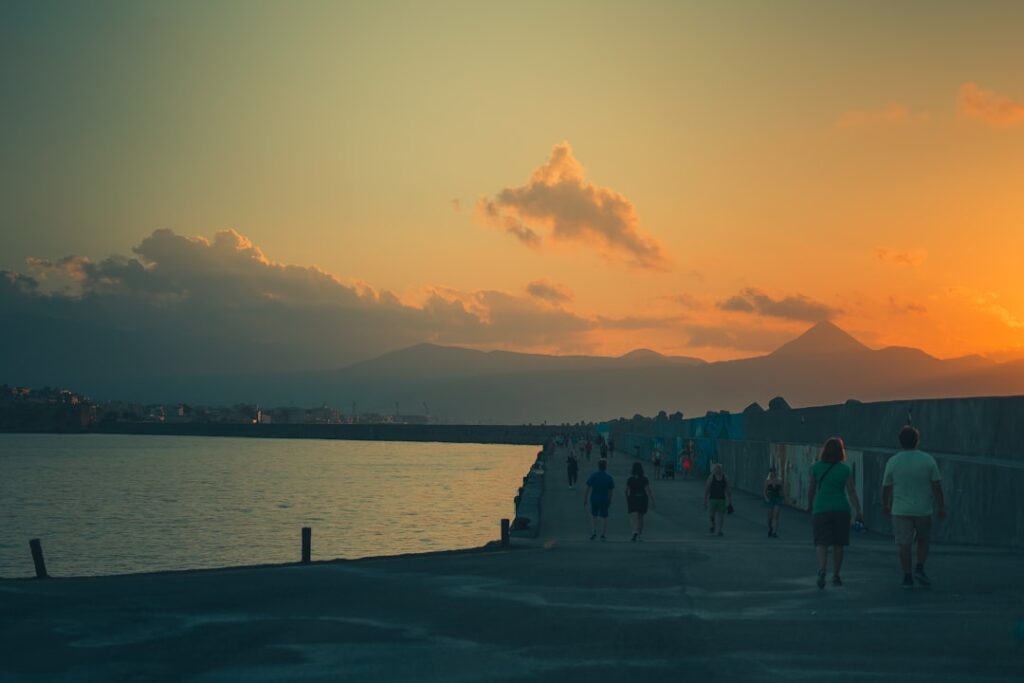
Local tips: arrive at least 30 minutes before screenings to secure a good seat, especially for Q&As. In the evening, a walk along Lungomare Nazario Sauro is lovely after a show; Rua delle Orecchiette (streets south of the Borgo Antico) is full of tiny trattorie where you can grab a panzerotto for €3–€5. If you want to avoid crowds, opt for morning sessions (10:00–12:30) which are often quieter and more discussion‑oriented. Keep in mind most panels are in Italian; English translations are provided for international masterclasses — check the language listed in the program.
Conclusion — Make the Most of the Bari Film Festival
Attending the Bari Film Festival is more than a lineup of screenings: it’s stepping into a living ecosystem where passion, history and industry meet. From the elegance of Teatro Petruzzelli to the convivial outdoor screenings on the Lungomare Nazario Sauro and the rich exchanges at the Università degli Studi di Bari « Aldo Moro », every corner of the city turns into an open‑air cinema. To get the best out of your visit, plan ahead: book tickets online, register for workshops that interest you and choose central accommodation to minimize transit time.
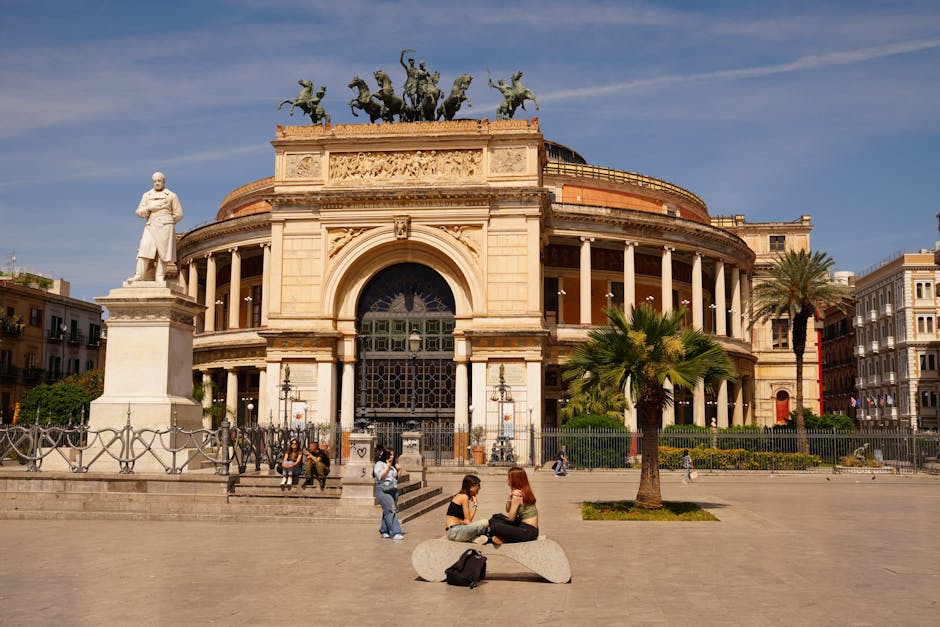
On the practical side: arrive 30–60 minutes early for highly anticipated screenings, get a pass if you plan to attend multiple industry events, and watch the schedule closely for session languages. For students and young professionals, workshops are prime networking opportunities — bring business cards, links to your work and a short intro email. For downtime, wander the Borgo Antico alleys, try a street panzerotto and end your evenings with a stroll along Lungomare Nazario Sauro.
Finally, remember the festival is also a window onto the wider Puglia region: if your schedule allows, extend your trip to explore nearby coasts and villages. For the few days you spend in Bari, this guide will help you approach the festival with calm and curiosity: pick your key screenings, note essential workshops and — above all — enjoy the encounters that make this event unique. Cinema in Bari is experienced as much in historic theaters as in conversations over a trattoria counter: keep your eyes and ears open, and let the Adriatic‑framed magic of the big screen carry you away.