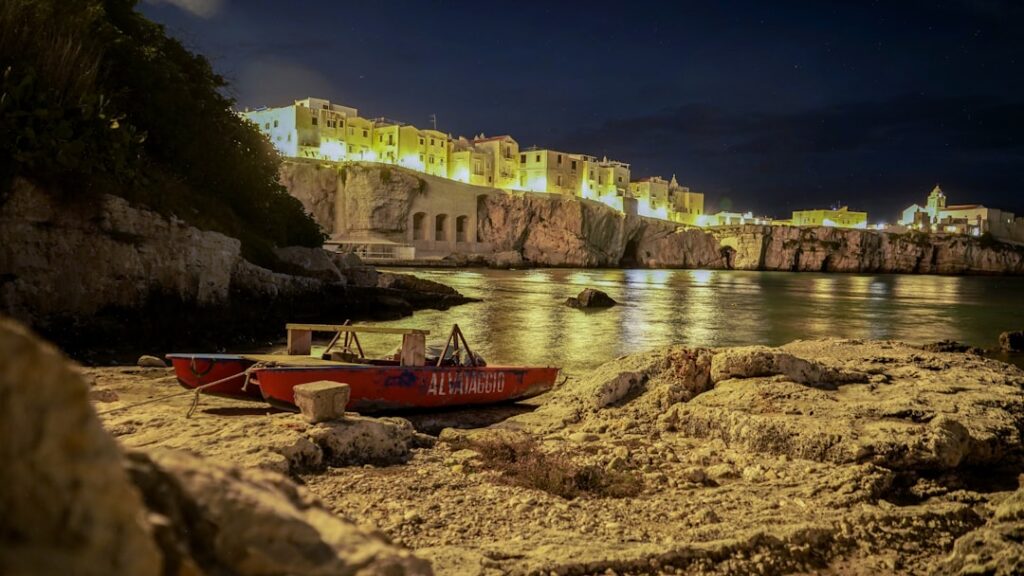






Introduction: When Bari Glows — the Street and Candle Festival
In the heart of Puglia, Bari is more than a Mediterranean port — it’s a living city where history, faith and community converge in the lanes of Bari Vecchia, the old town. Among its many popular local events, The Bari Lights — locally known as the festa delle luminarie or the candle festival — is a one-of-a-kind moment when the city dresses itself in warm light: religious processions, handcrafted light installations and evening vigils transform the streets into an incandescent stage. Rooted in local Catholic traditions and the cult of San Nicola (Bari’s patron saint), the celebration becomes a full sensory experience: the smell of wax, the soft crackle of candles, low-voiced hymns and the glimmer of lanterns against the pale stone façades create memories for every traveler.
Walking through Bari during these festivities is like visiting a city that’s been remade. The area around the Basilica di San Nicola (Largo Abbazia San Nicola 13) and the Piazza Mercantile turn into living sets, while the Lungomare Nazario Sauro along the Adriatic is strung with garlands and points of light that shimmer in the sea. Local families, religious brotherhoods and artisans light thousands of candles at dusk, producing an atmosphere that’s both sacred and communal. Visitors can witness solemn processions carrying relics, or join popular vigils enlivened by traditional polyphonic songs and folk music from Puglia.
Taking part in this festival is more than watching — it’s immersing yourself. That means sampling street specialties like focaccia barese (baked at Forno Santa Scolastica and local bakeries), stopping for a chat with a resident on the cathedral steps, and showing respect during moments of quiet when a procession passes. This article walks you through the key places and moments of Bari Lights, with practical recommendations — exact addresses, typical hours, entry fees and tips to experience the event like a local — so you can plan your visit with confidence and fully enjoy this luminous, human celebration.
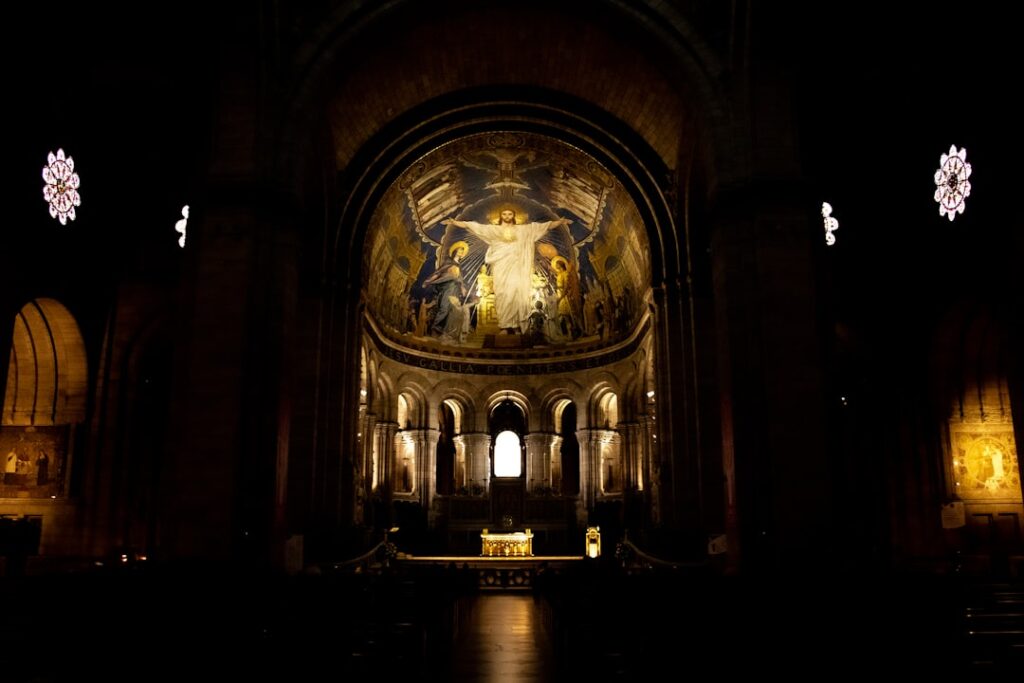
History and Religious Meaning: San Nicola and the Candle Tradition
The Bari Lights celebration is inseparable from the cult of San Nicola (Saint Nicholas), whose relics rest in the Basilica di San Nicola at Largo Abbazia San Nicola 13, 70122 Bari BA. Built between the 11th and 12th centuries, the basilica draws pilgrims from around the world, including both Orthodox and Catholic faithful. Lighting candles during major religious festivals is an ancient practice: light symbolizes faith, protection and hope — central themes in the devotion to the saint who protects sailors and children.
The basilica is open to the public daily; usual visiting hours are typically 8:00–12:30 and 16:00–19:30, but these can change for liturgical celebrations. Entry to the crypt is often free, though voluntary donations are common; some guided tours or special access may cost between €3 and €5. During the Lights festival, special services are held and the basilica often stays open later to welcome worshippers (special hours are announced locally through the parish office).
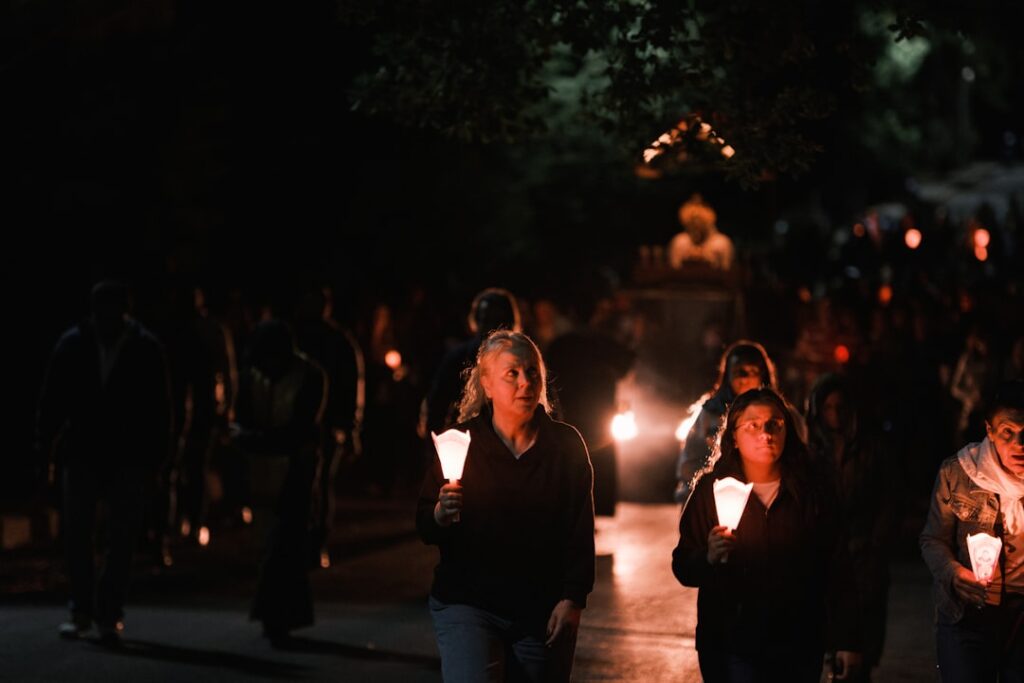
Beyond the basilica, religious brotherhoods and local parishes organize processions that wind through iconic spots such as the Piazza del Ferrarese (Piazza del Ferrarese, 70122 Bari BA) and the Piazza Mercantile (Piazza Mercantile, 70122 Bari BA). These marches, often accompanied by Gregorian chants or traditional Puglian music, move at a solemn pace: participants advance slowly, carrying banners and lanterns, and the glow of individual candles forms a sea of tiny human flames. The experience is immersive and emotional, heightened by bell tolls and the soft sparkle on the limestone of Bari Vecchia.
Must-See Spots During the Festival: Recommended Route
To make the most of the Lights festival, follow an itinerary that mixes major monuments, lively squares and seaside viewpoints. Here’s a suggested, detailed route:
- Basilica di San Nicola — Largo Abbazia San Nicola 13, 70122 Bari BA. Visit in the morning or late afternoon to admire the Romanesque façade. Free entry; crypt and treasury sometimes accessible for €3–€5. Hours: 8:00–12:30, 16:00–19:30 (regular opening hours, extended during festivals).
- Piazza del Ferrarese — Piazza del Ferrarese, 70122 Bari BA. A social crossroads where locals gather; perfect for grabbing a focaccia and watching the light preparations. Open access, square is public 24/7 though businesses have varying hours.
- Piazza Mercantile — Piazza Mercantile, 70122 Bari BA. More intimate, ideal for street concerts and night markets during the festival.
- Castello Svevo di Bari — Piazza Federico II di Svevia, 4, 70122 Bari BA. A Norman-Swabian fortress and museum with views over the port. Museum entry: around €6 (reduced €3). Opening hours: 9:00–19:00 (may stay open later for events).
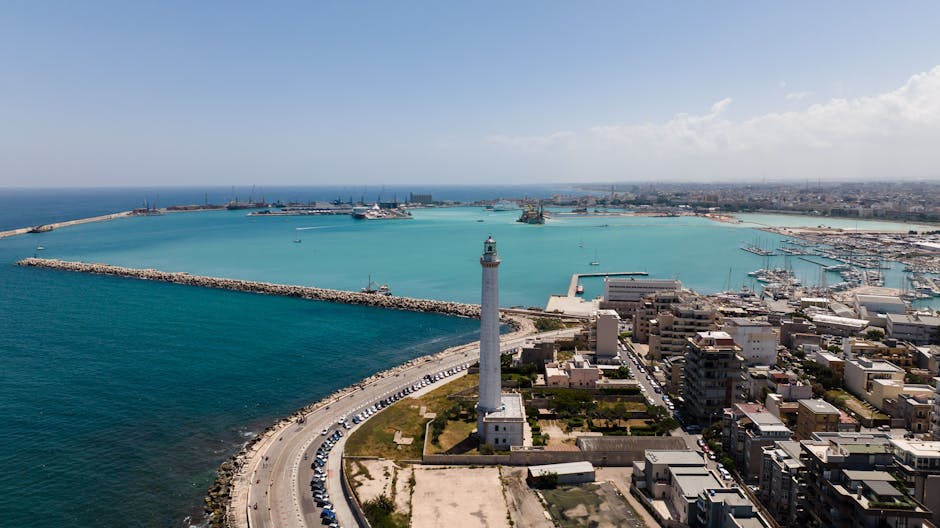
- Lungomare Nazario Sauro — Lungomare, 70121 Bari BA. End the evening with a walk along the illuminated seafront and watch candle reflections ripple across the Adriatic.
Ideal timing: start at the basilica in late afternoon, attend a mass or a guided tour, then head to Piazza del Ferrarese for a focaccia at Pasticceria Boccia (local example) and move to Castello Svevo before nightfall to enjoy exterior lighting. Finish with a stroll along Lungomare Nazario Sauro, where sea air combined with glowing lights creates exceptional views.
Popular Entertainment: Music, Crafts and Street Food
The Lights festival goes beyond religion — it’s a cultural celebration. Bari’s streets fill with artisan stalls, buskers and small stages where tarantella groups and polyphonic ensembles perform. Craftspeople display candle creations and traditional lanterns, as well as ceramics and wrought-iron decorations inspired by religious iconography.
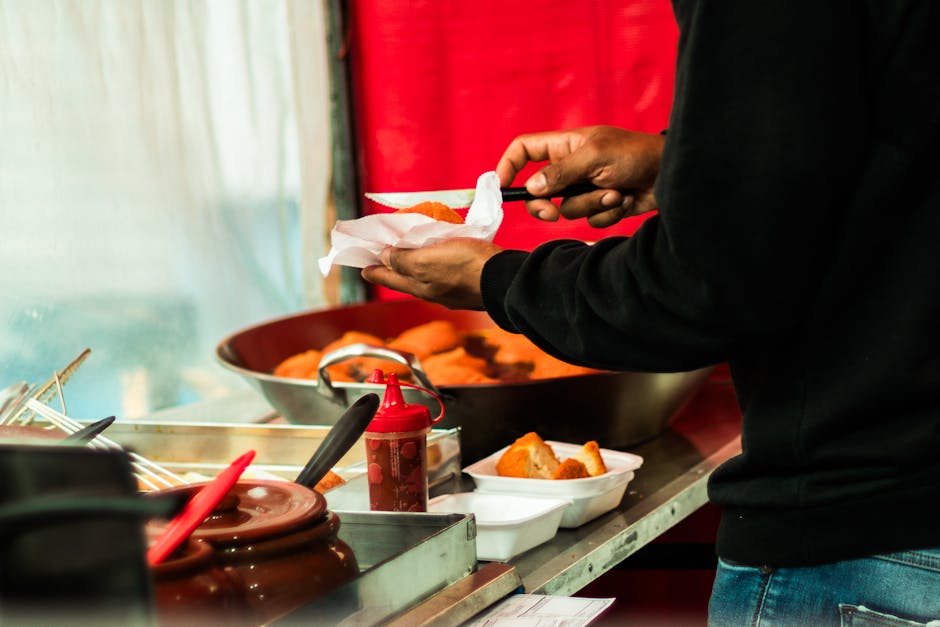
On the food front, Bari is famous for its focaccia barese (focaccia with tomatoes and olives), panzerotti (fried stuffed turnovers) and friselle (twice-baked barley bread soaked and topped). Useful places to try include:
- Forno Santa Scolastica — Via Giovanni Amendola 154, 70121 Bari BA. Specialty: focaccia barese. Hours: 7:00–20:00. Price: focaccia from €2.50.
- Pizzeria di Cosimo (local example) — Via Roberto da Bari 12, 70121 Bari BA. Panzerotti: €3–€4. Hours: 11:30–23:00.
- Mercato del Pesce — Lungomare Araldo di Crollalanza, 70121 Bari BA. Fresh fish market in the morning; some stalls offer hot tastings during festival days. Open early morning, usually 6:00–13:00.
Prices vary by stall and restaurant, but expect to pay between €2 and €15 for a street snack and €15 to €35 for a full meal in a local bistro during the festival. Practical tip: bring small change for purchases at street stalls — some artisans don’t accept cards.
Practical Tips for Visiting During the Festival: Transport, Safety and Local Etiquette
Visiting Bari during the Lights festival requires a little planning. Here are concrete tips to make your stay smoother:
- Transport and parking: The historic center (Bari Vecchia) is largely pedestrian. The most convenient nearby parking is Parcheggio Guido — Via Giovanni Amendola 130, 70121 Bari BA — or the underground car park at Bari Centrale station (Piazza Aldo Moro, 70121 Bari BA). Parking rates: about €1.50–€2.00 / hour, day rates sometimes available. It’s usually better to leave the car and use the train or local buses (Azienda Trasporti Bari) to reach the old town.
- Peak hours: Main processions take place in the evening, often between 19:30 and 23:30. To avoid crowds, visit the basilica early in the morning or late afternoon.
- Safety: Streets can get crowded; keep your belongings secure and avoid open bags. Municipal services often increase police presence and volunteers to ensure processions run smoothly.
- Cultural awareness: During liturgical moments, keep a respectful tone and avoid intrusive photography or disrupting worshippers. Ask permission before photographing people.
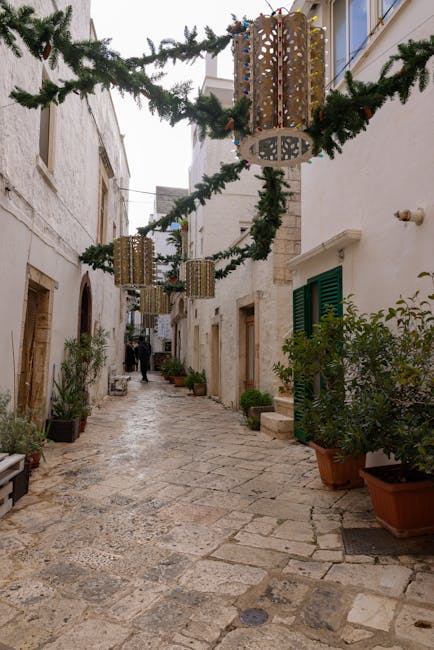
- Comfort: Wear comfortable shoes — cobbled alleys and old steps are common in Bari Vecchia. Bring a light jacket for the evening, especially if you plan to walk along the Lungomare.
If you’re traveling in high season or during festival weekends, book accommodation several weeks ahead. Options range from family-run B&Bs in the old town (often €50–€90 per night) to 4-star hotels on the seafront (from €120 per night, season-dependent).
Where to Stay and How to Extend the Experience: Accommodation and Day Trips
To extend your immersion in the Lights atmosphere, here are accommodation options and recommended day trips:
- Bed & Breakfast in Bari Vecchia — example: B&B Casa di Fulvia, Via Venezia 2, 70122 Bari BA. Price range: €60–€90. Advantage: you’re in the heart of the action and can walk to the basilica.
- Hotel on the Lungomare — example: Hotel Oriente, Via Calefati 22, 70121 Bari BA (near the Lungomare). Price: from €110 / night. Ideal for sea views and waking up to the Adriatic.
- Holiday apartment — Renting an apartment on Via Sparano da Bari puts you close to shopping, the station and restaurants. Rates vary by season.
Recommended excursions to complement your stay:
- Alberobello — the UNESCO-listed trulli (about 1 hr 15 by train from Bari Centrale). Day trip: train fares from approximately €6–€10 one way.
- Polignano a Mare — a dramatic coastal village, 30 minutes by train. A must-stop for photos from the terrace at Lama Monachile.
- Ostuni — the “White City” of Puglia, perfect for extending the theme of lights and whitewashed alleys. Accessible by bus or car.
Tip: schedule excursions outside procession times to avoid crowded late-night returns. Also, try local wines (Primitivo di Manduria, Negroamaro) during a relaxed dinner after a night of illumination — many central restaurants offer festival menus with wine pairings from €25 per person.
Conclusion: Experiencing Bari in Light — a Memory to Take Home
The Bari Lights are more than a visual display; they express a city living to the rhythm of faith, culture and generosity. To join the festival is to hear local stories, feel the warmth of a candle in your hand and share a slice of focaccia in a bustling square. From the solemn processions at the Basilica di San Nicola (Largo Abbazia San Nicola 13, 70122 Bari BA) to the convivial atmosphere of street markets, the experience blends spiritual emotion with sensory delight.
To prepare for your visit, keep the practical details in mind: typical hours (the basilica usually 8:00–12:30 and 16:00–19:30, extended during festivals), key addresses (Castello Svevo, Piazza Federico II di Svevia 4; Piazza del Ferrarese; Lungomare Nazario Sauro), price ranges (museum entry around €6, snacks €2–€15) and transport tips. Respect moments of quiet, bring small change for street purchases, and wear comfortable shoes for the cobbled lanes of Bari Vecchia. Your photos will capture the beauty, but remember to also live the silence and wonder as thousands of tiny flames flicker in unison.
Finally, give yourself time: extend your trip to Polignano a Mare or Alberobello to complete the Puglian picture, and consider staying in the old town if you want to be at the heart of the action. The Bari Lights will leave a lasting impression — a time when community intimacy meets the splendor of ancient heritage, and every lit candle tells a story. Whether you’re a pilgrim, photographer or curious traveler, Bari offers an authentic, warm and deeply human festival of light.