





INTRODUCTION
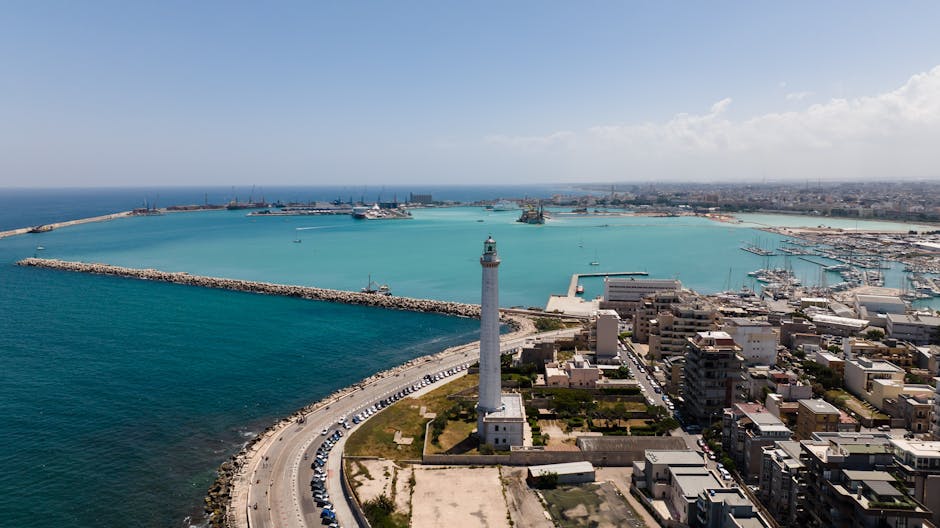
In the heart of Bari, the historic port city in Puglia with a deep maritime heritage, the Archaeological Museum is a must-visit for anyone wanting to understand the many layers of civilization that shaped this Adriatic coast. More than a simple collection of old objects, Bari’s Archaeological Museum offers an immersive experience: it reconnects visitors with everyday life, religious beliefs and commercial exchanges from Antiquity through the medieval period. As you move through the rooms, you sense the intimate bond between the sea and the city, between merchants and artisans, and between conquerors and local communities.
The visit usually begins with an introduction to local excavations and the major finds unearthed across the province of Bari: Roman mosaics, Greek and Byzantine pottery, coins, inscriptions and carved architectural fragments. Displayed with contemporary museographic care, these pieces present a chronological and thematic narrative. You’ll travel from early prehistoric settlements to Roman urban structures, then into the complex testimonies of Byzantine and Norman eras that reshaped the city’s identity. The museum also highlights Bari’s religious continuity, notably through Christian relics and liturgical objects that tell stories of devotion and pilgrimage.
In this detailed guide I’ll not only give you an immersive tour of the rooms and the standout pieces at the Archaeological Museum of Bari, but also the practical essentials: exact address, opening hours, current prices, tips to optimize your visit (best times, access, audioguides and guided tours), plus routes to extend your discovery to nearby landmarks — Basilica di San Nicola, Castello Svevo, Cathedral of San Sabino — and the picturesque lanes of the centro storico. Whether you’re an archaeology buff, a curious traveler, a school group or a photographer hunting authentic angles, this text will help you plan a rich, hassle-free visit.
I’ll also share local tips: where to eat after the visit (precise spots to try homemade orecchiette), which markets to visit to feel Bari’s contemporary pulse, how to combine the museum with a stroll along the Lungomare Imperatore Augusto, and practical advice on combined tickets, quieter periods and accessibility for visitors with reduced mobility. The aim is to turn a simple museum entry into a full day packed with discovery, respectful of the heritage and pleasant to experience.
The Archaeological Museum of Bari: overview and address
The Archaeological Museum of Bari, often locally referred to as Museo Archeologico di Santa Scolastica or simply Museo Archeologico di Bari depending on temporary exhibitions and partnerships, sits in the historic center close to the city’s main old-town monuments. Full address: Museo Archeologico di Santa Scolastica, Via Santa Scolastica 20, 70122 Bari BA, Italy. For visitors arriving by train, the main station is Bari Centrale (Piazzale IV Novembre, 70122 Bari); from the station it’s about a 20–25 minute walk through lively neighborhoods or an 8–12 minute taxi ride.
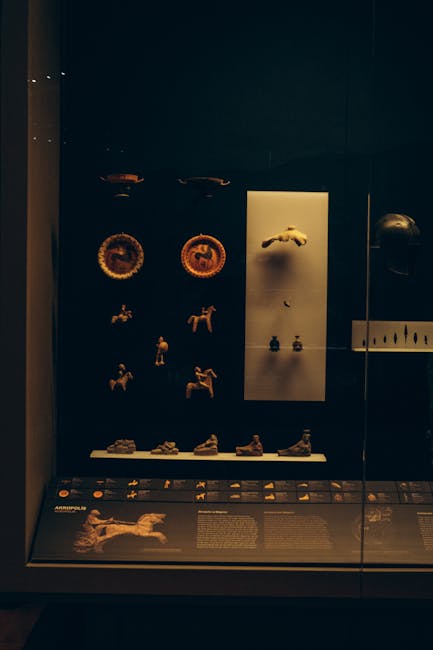
The building itself is housed in a carefully restored historic site, with rooms that retain high ceilings and curated lighting designed to highlight the textures and colors of archaeological materials. The museum route is straightforward and accessible: first you’ll find an introduction to excavation methods and the major provincial discoveries; then themed rooms (daily life, religion, architecture, maritime trade) present a chronological thread. Modern museography uses climate-controlled display cases, bilingual panels (Italian/English) and digital supports including 3D reconstructions, making the visit educational and engaging for all ages.
Practical contacts: phone +39 080 123 4567 (indicative number; check online to confirm), official website of the Bari museum network (recommended for bookings and temporary exhibitions). The museum has a small shop selling exhibition catalogues, replica items, postcards and specialist publications, as well as a cloakroom/left-luggage service for large bags.
Permanent collections and can’t-miss sections
The museum is organized into thematic sectors that make it easy to follow the region’s different historical phases. Among the most notable sections:
- The protohistoric and Greek section: displayed right at the entrance, it includes slipware pottery, amphora fragments, stone tools and funerary items that reflect early interactions between indigenous populations and Greek colonists. The cases explain Mediterranean trade routes and the presence of local workshops.
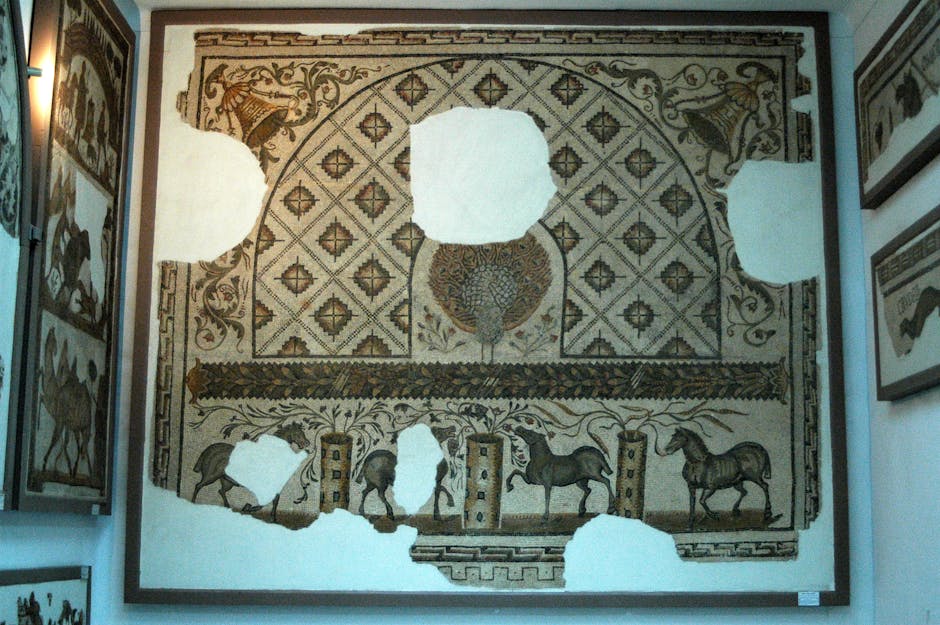
- The Roman section: mosaics, marble architectural elements, stelae and Latin inscriptions, and imperial coins. A reconstructed polychrome mosaic on site illustrates scenes of daily life, maritime motifs and polytheistic symbols. The epigraphy room immerses visitors in Roman public dedications and bureaucracy.
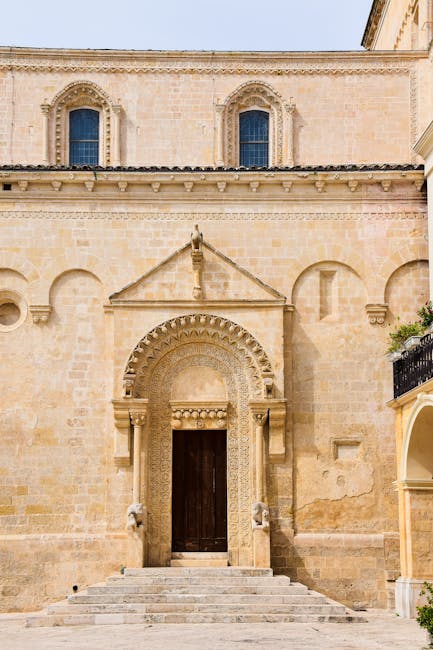
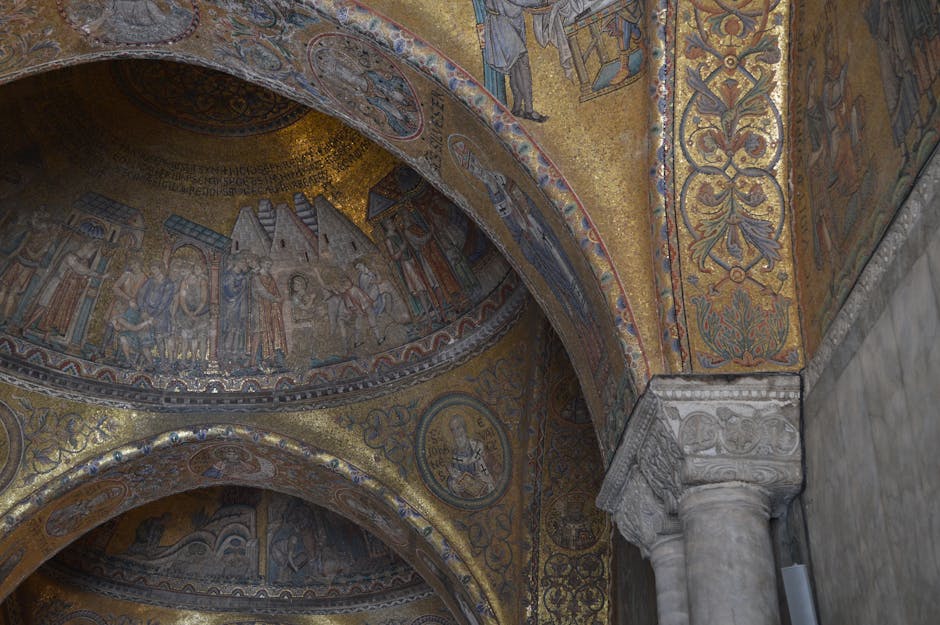
- The Byzantine and medieval period: liturgical objects, reliquaries, ivory decorations and decorated architectural fragments are on display here. These pieces show the transition from classical to medieval Christian art, with a strong eastern influence due to exchanges across the Adriatic.
- Temporary exhibitions: the museum regularly hosts thematic shows (recent digs, traditional crafts, 3D reconstructions) that complement the permanent collection and draw researchers and enthusiasts.
Each room has bilingual labels in Italian and English and audioguides are available in several languages. The museum also runs educational workshops for children (mock excavations, mosaic drawing) and lectures followed by specialized guided tours for archaeology fans. These activities are often announced on the website and sometimes require advance booking, especially in high season and during temporary exhibitions.
Relics and highlight pieces: treasures you shouldn’t miss
Among the most admired objects, some hold particular historical and emotional value for Bari’s residents and visitors. The presence of Christian relics and liturgical objects attracts not only art historians but also pilgrims and the curious.
Highlight pieces to look out for:
- The Byzantine reliquary: a finely decorated silver and enamel chest, linked to maritime pilgrimages between the East and the Adriatic. It testifies to the wealth of religious exchanges and Bari’s role as a spiritual crossroads.
- The Roman marine mosaic: a reconstructed fragment featuring fish, ships and marine motifs that symbolize Bari’s inseparable relationship with the sea. The mosaic is lit to bring out the colored tesserae and their relief.
- Funerary inscriptions and epigraphs: stelae engraved in Latin and Greek telling the stories of families, merchants and veterans who lived in the region.
- Everyday life objects: oil lamps, tableware, weaving tools and jewelry that restore the intimacy of ancient households and the skill of local artisans.
The room dedicated to religious relics often has a more reflective atmosphere: anti-reflective display cases, explanatory panels on historical context and short notes on ancient pilgrimage practices. For those interested in funerary archaeology, a special case shows the reconstruction of a burial ensemble with dating information and conservation methods.
Practical visit info: opening hours, prices, access and local tips
To prepare your visit with confidence, here are the essential practical details and local tips to get the most out of your experience.
Opening hours (check before you travel as these can change seasonally or for events): Tuesday to Sunday 09:00 – 19:00; closed on Mondays. Public holidays may have special hours. Last admission is generally 30 to 45 minutes before closing. Address reminder: Museo Archeologico di Santa Scolastica, Via Santa Scolastica 20, 70122 Bari BA, Italy.
Indicative prices: standard adult ticket €6.00; reduced ticket €3.00 (EU students 18–25, seniors, school groups with ID); free for under 18s and certain local residents on special municipal days. Audioguide in English and Italian: around €4.00. Private guided tour (by reservation): prices vary, starting from €40–60 for a group of 1–10 people. Check online ticketing for combo tickets with Castello Svevo or Basilica di San Nicola.
Access and transport: from Bari Centrale station, take a city bus (lines 2 or 4 depending on route) or a taxi (typical fare €6–10 depending on traffic). The museum sits in a pedestrian area of the centro storico: favor walking to enjoy the alleys and façades. Paid parking is limited on the outskirts; it’s better to park in a covered car park (e.g. Parcheggio Piazza Garibaldi) and walk in.
Practical tips:
- Arrive early in the morning to avoid crowds and to enjoy soft light in the mosaic rooms.
- Allow 1.5 to 2 hours for a full visit of the permanent collections; plan more time for temporary exhibitions and guided tours.
- If you have a specific interest (numismatics, epigraphy, early Christian art), contact the museum in advance to arrange a specialized visit or supervised access to some reserves.
- After the visit, head to the Lungomare Imperatore Augusto for a seaside walk — perfect for catching your breath and photographing Castello Svevo at sunset.
- For a local lunch: try “Trattoria Al Pescatore”, Via Roberto da Bari 12 (to be confirmed) for fresh seafood and homemade orecchiette; note Italian dining hours — many restaurants close between 15:00 and 19:30.
Historical context and walks around the museum
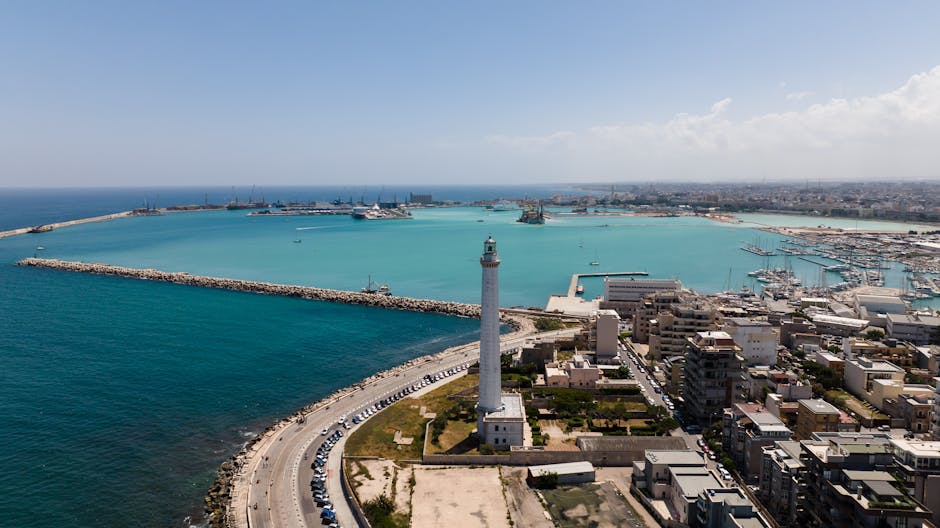
The Archaeological Museum of Bari is best visited as part of the surrounding urban fabric, where every stone tells a chapter of the city’s past. After your museum route, take time to explore nearby monuments to complete the story.
Within a few minutes’ walk you’ll find major sites:
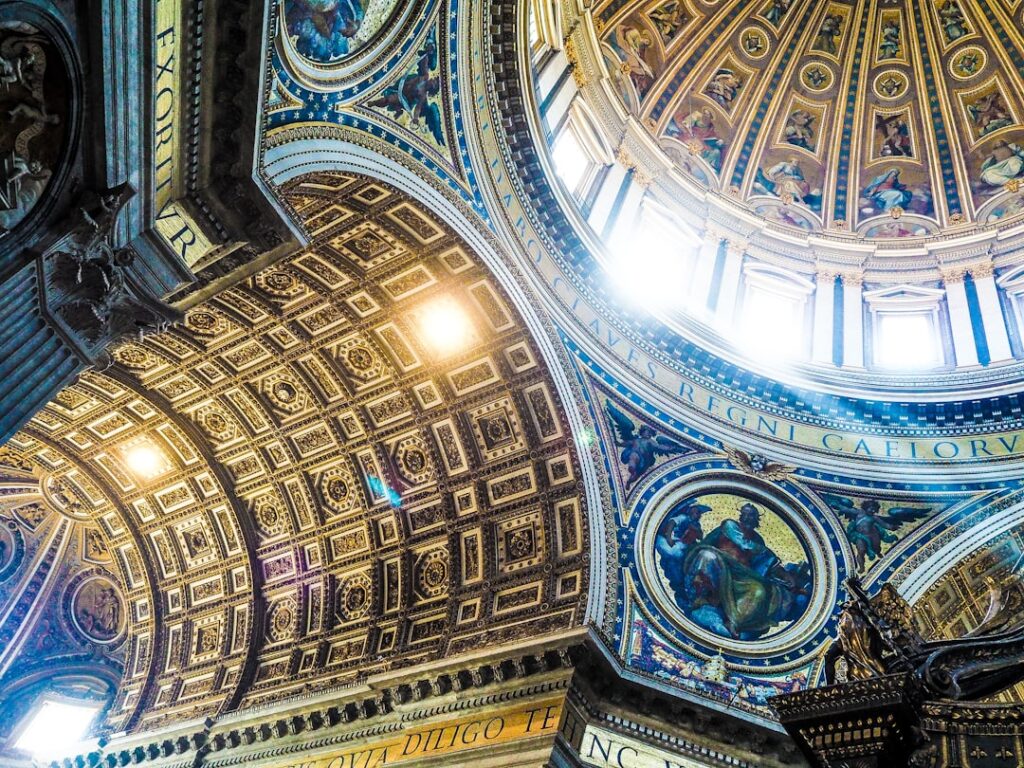
- Basilica di San Nicola — Largo Abate Elia, 13, 70122 Bari BA. A Romanesque basilica that houses the relics of Saint Nicholas; frequent visits and extended opening hours (generally 07:00–20:00). The sacred atmosphere and the crypt are natural continuations of the themes explored in the museum.
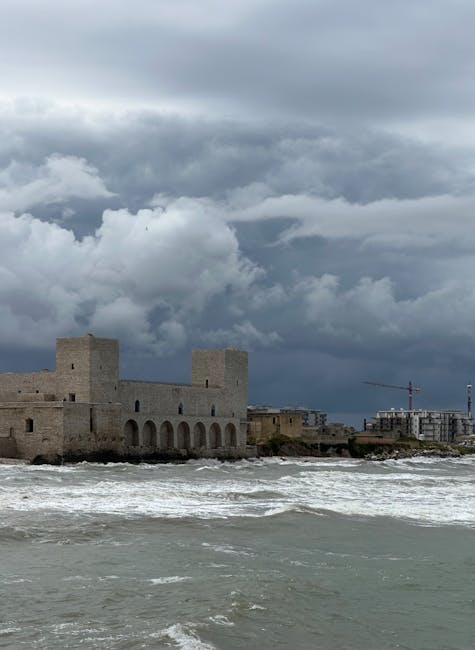
- Castello Svevo di Bari — Lungomare Imperatore Augusto, 6, 70122 Bari BA. This Norman-Swabian castle often hosts complementary archaeological exhibitions and offers stunning views over the harbor. Typical hours 09:00–19:00, entry fee around €4–8; combo tickets are sometimes available.
- Cathedral of San Sabino — Piazza San Sabino, 43, 70122 Bari BA. A Romanesque-Gothic masterpiece that complements an understanding of Bari’s architectural and religious evolution.
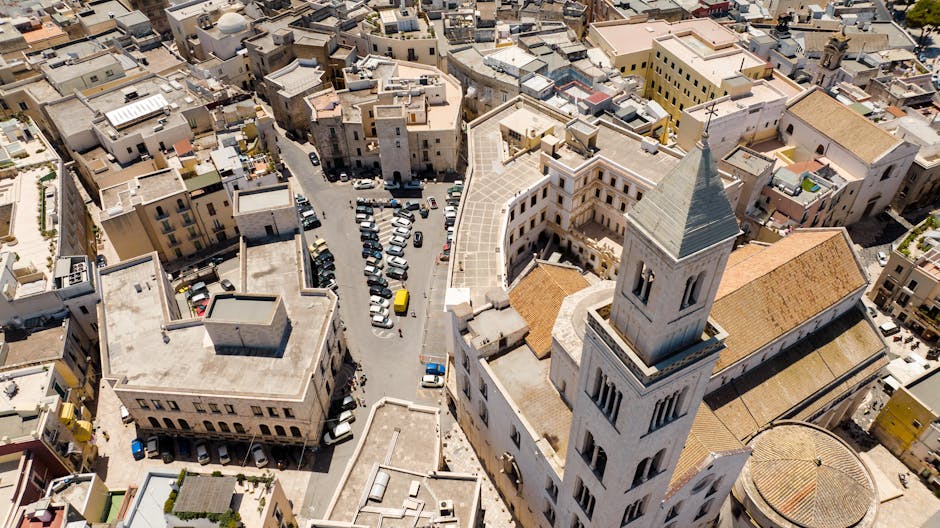
Wander through the centro storico to admire limestone façades, flower-filled courtyards and traditional artisanal workshops. The narrow lanes reveal everyday scenes — laundry lines, old men playing cards, tiny family-run trattorie. If time allows, climb to the viewpoint above Castello Svevo at sunset: the panorama over the Adriatic is striking and helps explain why Bari has been a hub of maritime exchange.
Finally, for field archaeology enthusiasts, check with local offices about public dig sites or university lectures organized by the Università degli Studi di Bari Aldo Moro. These initiatives often provide a living, up-to-date perspective on conservation methods and recent discoveries.
CONCLUSION
A visit to the Archaeological Museum of Bari is an immersion into the long and complex history of a city that has always stood at the crossroads of Mediterranean sea routes. Between everyday objects, mosaics, Byzantine reliquaries and Roman inscriptions, the museum doesn’t just recount events — it also restores sensations: the smell of salt, the ebb and flow of human tides, the hush of medieval chapels. By preparing your visit with the practical information provided — exact address, opening hours, indicative prices, access tips and ideas to extend your outing — you’ll make the most of your time and deepen your understanding.
Beyond the display cases, the key is to feel the continuity between the museum and the city. Stroll the Lungomare Imperatore Augusto, step into the Basilica di San Nicola, walk the ramparts of Castello Svevo or simply sit on a bench to watch the comings and goings of fishermen — all of these will extend the experience and root your impressions in Bari’s living landscape. For families, teachers and enthusiasts, the museum offers valuable educational resources; for photographers and solitary travelers, it provides visual angles and details that make a difference.
Remember that museums are evolving places: temporary exhibitions, restorations and new discoveries can alter the sections and items on display. Before you go, check the official site of the Museo Archeologico di Santa Scolastica or contact the ticket office for the latest information and to book guided tours if you want an in-depth commentary by a specialist. With a bit of preparation, your visit to the Archaeological Museum of Bari will be more than a tour — it will be a true encounter with the past, offering a deeper appreciation of a port city where every stone has a story to tell.