





Bari Focaccia: Secrets of a Crispy Tradition
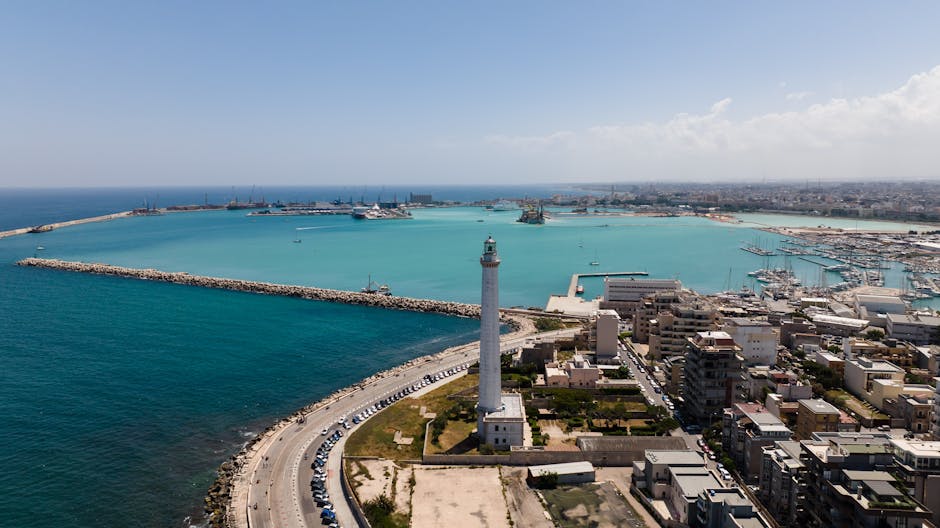
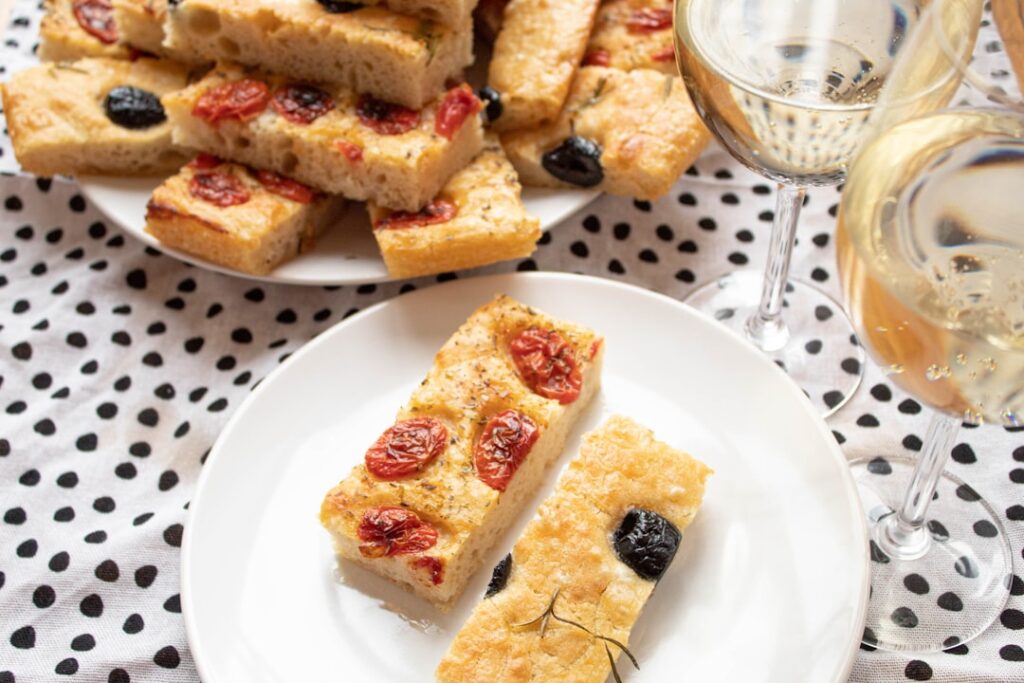
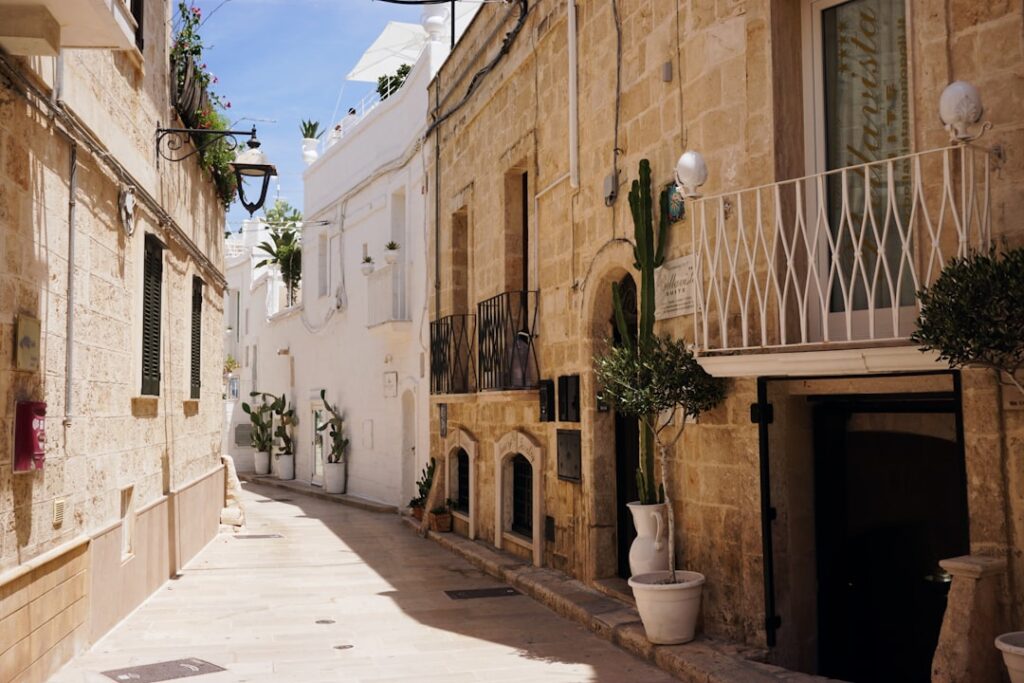
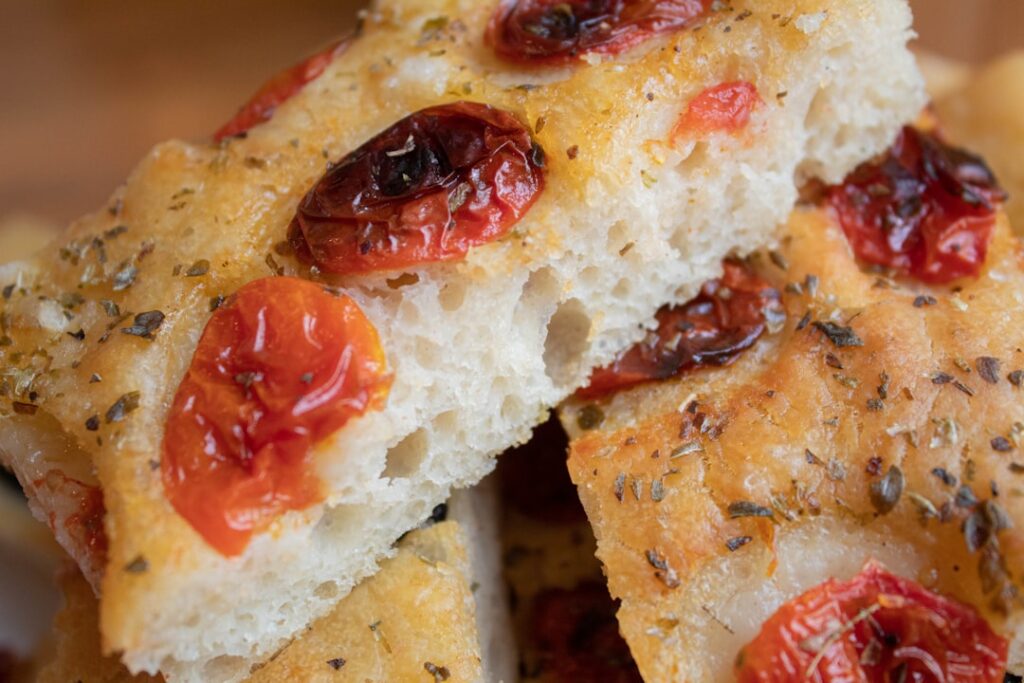
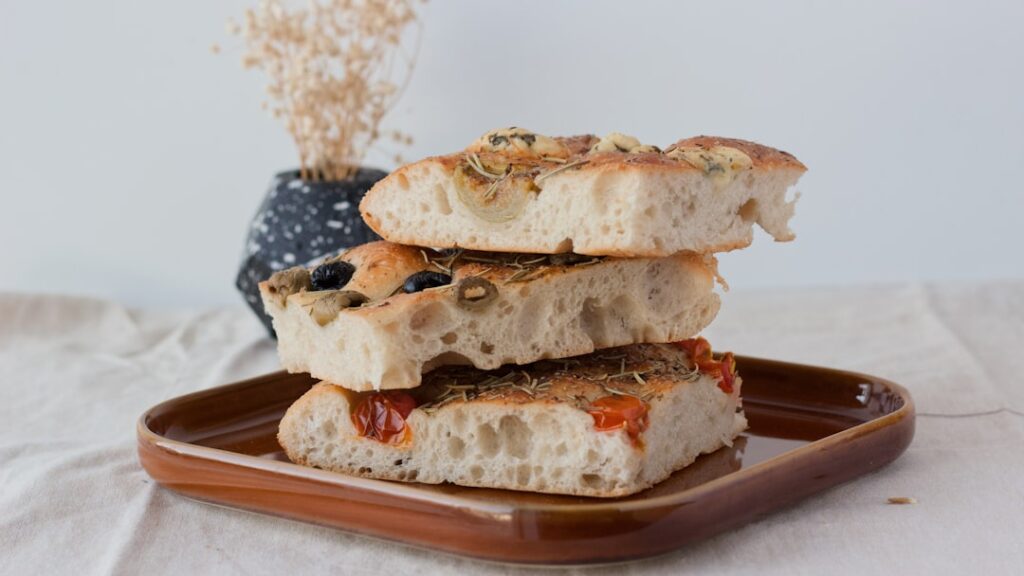
Bari focaccia is more than just bread: it’s a living symbol of the city — a texture, an aroma and a culinary heritage that tells the everyday story of Bari’s residents. In the narrow lanes of Bari Vecchia, between whitewashed façades and the docks where fishermen mend their nets, the scent of olive oil, the warmth of wood-fired ovens and the simplicity of the ingredients combine into an alchemy that draws both hungry passersby and curious food lovers. This focaccia — thick, soft inside and crisp on the outside, topped with cherry tomatoes, olives, onions or simply seasoned with salt and oil — is a local culinary expression, almost like the city’s edible ID card.
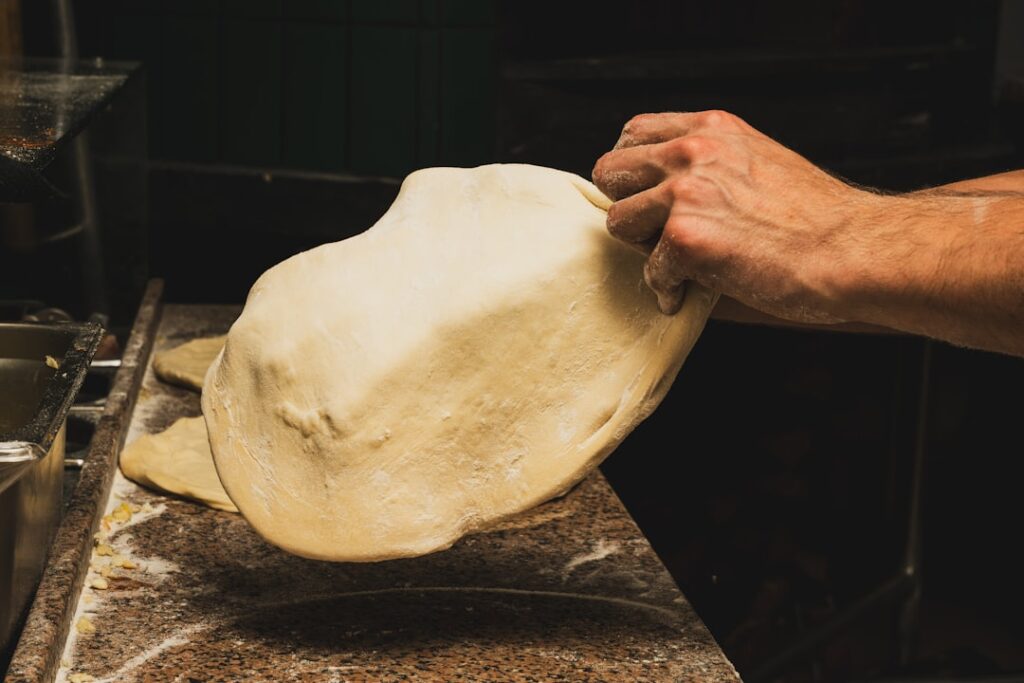
Strolling around Bari, you’ll quickly notice every panetteria has its own way of handling the dough, letting it rise and baking it. Methods are sometimes passed down through generations, sometimes modernized, but the end goal is the same: an airy crumb, golden edges and a crust that cracks under your bite. Understanding Bari focaccia means appreciating the role of the local flour, the water, Puglian extra-virgin olive oil and fermentation time. Bakers insist on precise gestures — long but gentle kneading, resting times adapted to room temperature, and a fast, high-heat bake that seals the crust while keeping the inside moist.
Beyond technique, focaccia is woven into Bari’s social life: it’s eaten at any time of day — a snack for kids, a quick lunch for dockworkers, or the centerpiece of a shared aperitivo. Markets, squares and cafés near the beaches play a key role: people buy hot focaccia wrapped in paper and eat it in a few bites while watching the Adriatic. It’s also become a tourist draw: many visitors seek the authentic recipe, compare variations and take home the memory of a memorable tasting.
In this article, we’ll dive into the heart of Bari to uncover the secrets of its focaccia: traditional and modern production techniques, must-visit spots to taste the best focaccia, exact addresses, indicative prices and opening hours to help plan your visit. We’ll also share practical local tips — when to go to avoid crowds, how to store it if you’re traveling, and which drinks or sides best elevate the tasting. Each recommended address comes with an immersive description: the dominant smell when you open the door, the view of the oven, the texture under your teeth, and the possible exchanges with bakers, who are often the guardians of these family recipes.
Get your appetite and notebook ready: Bari focaccia is discovered as much with your hands as with your senses. Whether you’re a demanding traveler, a bread enthusiast or a food professional, let us guide you through the alleys, ovens and warmed benches that make Bari the Italian capital of a unique focaccia — simple yet incredibly full of character.
Ingredients and technique: the anatomy of a perfect focaccia
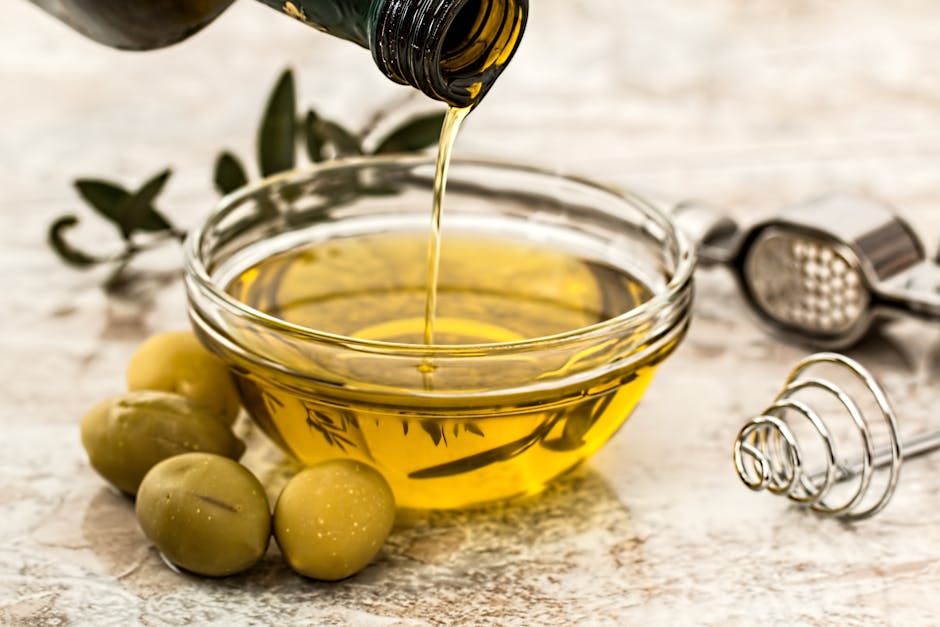
Bari focaccia is remarkably simple in its ingredient list, but the difference lies in precise proportions and ingredient quality. The traditional recipe uses just soft wheat flour (type 00 or a blend with type 0), water, salt, fresh or dry yeast, extra-virgin olive oil (ideally produced in Puglia) and, for the « con le cipolle » or « con pomodorini » versions, sweet onions or cherry tomatoes. The choice of flour affects the crumb structure: a higher-protein flour gives a more elastic, airy crumb, while a very white, low-protein flour yields a finer crumb.
Step 1 — Hydration: Bari focaccia is characterized by a relatively high hydration, sometimes 70–80% water relative to flour weight. This high hydration produces a soft, open crumb. Traditional bakers also say that Bari’s slightly mineral-rich water contributes to flavor and texture.
Step 2 — Kneading and rest: kneading is often long but gentle so as not to destroy developing air bubbles. Many use a mechanical knead followed by several ambient-temperature rests (bulk fermentation). In artisanal bakeries the dough sometimes undergoes a second fermentation in rectangular trays, which allows it to be spread directly into the baking pan while preserving structure.
Step 3 — Shaping: Bari focaccia is usually baked in generously oiled rectangular steel pans. Before baking, the baker « dimples » the dough with their fingers to create the famous indentations that hold olive oil, salt and toppings (halved cherry tomatoes, olives, onions). These dimples also create air pockets that ensure the contrast between a crisp crust and a tender crumb.
Step 4 — Baking: baking is quick and hot, often between 220 and 270 °C depending on the oven (professional electric or gas). The aim is to form a golden, crispy crust while keeping the interior soft. In some bakeries, a stone oven is used to achieve a particular color and crunch. Straight from the oven, focaccia gets a final drizzle of olive oil and is sometimes sprinkled with flaky salt or herbs like oregano.
Variations: focaccia can be plain (focaccia barese semplice), topped with cherry tomatoes (focaccia con pomodorini), onions (focaccia con cipolle), or filled (focaccia ripiena) with ingredients such as stracciatella, smoked scamorza or ham. Prices vary by topping and weight: a plain slice typically costs between €1.50 and €3.00 (2024), while a topped or stuffed focaccia can reach €4.00–€6.50.
Practical tips: to fully enjoy focaccia, eat it warm or at room temperature the same day. If you need to store it, wrap it in a clean cloth to retain moisture and reheat for 5–8 minutes at 180 °C before serving. Avoid the microwave, which softens the crust. For travelers, focaccia travels well if not overstuffed: break it into pieces and wrap in cling film or food paper to enjoy later.
Must-visit spots in Bari to taste focaccia
Bari is dotted with bakeries and small shops offering their version of focaccia. Here’s a selection of emblematic places loved by locals, with exact addresses, opening hours and indicative prices to help plan your tasty itinerary.
- Panificio Fiore — Via Giuseppe Garibaldi 12, 70122 Bari. Hours: Monday–Saturday 06:00–14:00 and 16:30–19:30, Sunday 07:00–13:00. Prices: plain focaccia slice €1.80; focaccia con pomodorini €2.60; stuffed focaccia €4.50. Description: near Piazza Mercantile, this family bakery is known for well-risen dough and very crispy edges. Inside you can see the gas oven behind the counter and the smell of fresh dough greets you first thing in the morning.
- Panificio Martinucci — Via Nicolò Putignani 40, 70121 Bari. Hours: daily 07:00–20:00 (closed Wednesday afternoon). Prices: plain slice €2.00; tomato version €2.80; focaccia ripiena €5.00. Description: famous for its traditional recipes and modern variations, Martinucci sometimes features special editions with local ingredients like stracciatella or burrata as accompaniments.
- Focacceria Barese « Il Forno di San Nicola« — Via Sparano da Bari 75, 70121 Bari. Hours: Monday–Saturday 06:30–20:30, Sunday 07:30–14:00. Prices: plain slice €1.50; focaccia con cipolle €2.50; focaccia con olive €2.20. Description: located on a shopping street, this focacceria attracts both workers and tourists. The space inside is small but turnover is fast; expect take-away or standing-room-eating at a wooden bench.
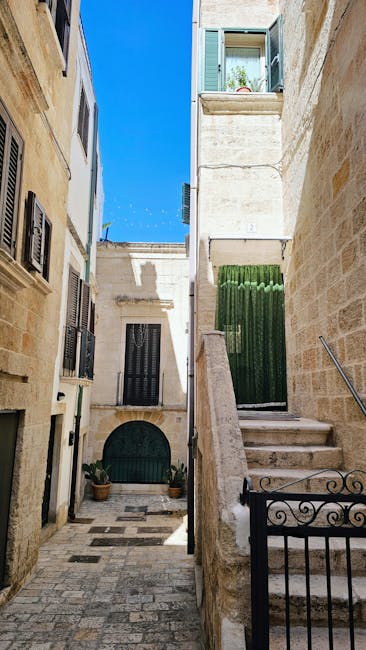
- Panificio Vecchio Forno — Largo Giannella 1, 70122 Bari Vecchia. Hours: Tuesday–Sunday 07:00–15:00, closed Monday. Prices: €1.70–€4.00 depending on topping. Description: in the heart of Bari Vecchia, this oven is popular after the morning Mass at the Sanctuary of San Nicola; the nearby ancient alleys make it a perfect spot to enjoy a warm focaccia sitting on nearby steps.
- Focacceria Santa Rita — Via Abate Gimma 16, 70122 Bari. Hours: 06:30–14:30 and 17:00–20:00 (closed Sunday evening). Prices: simple focaccia €1.60; gourmet version €3.50. Description: known for its airy dough, this focacceria sometimes runs morning workshops where you can watch shaping and get bakers’ tips to reproduce focaccia at home.
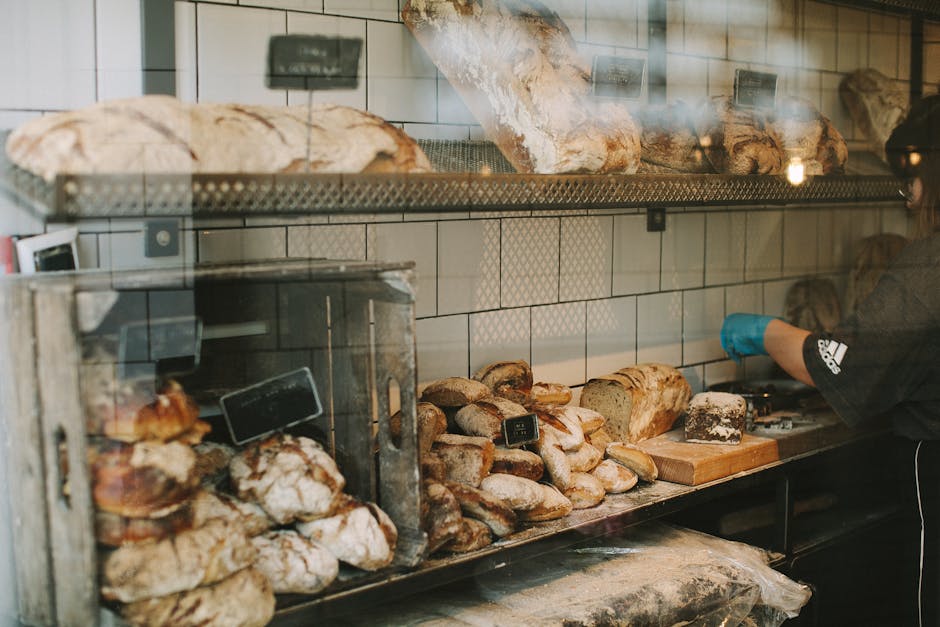
Tip: get there early (between 07:00 and 09:30) to catch fresh batches and avoid missing the most popular variants. Many shops close in the afternoon for a riposo, especially off-season; double-check opening hours if you plan an afternoon tasting.
Experiences and tastings: how to savor focaccia like a local
Eating focaccia in Bari is a sensory experience that goes beyond a simple meal. Here are recommendations to make your tasting unforgettable.
1) Best time: as mentioned, morning is ideal. Early batches offer a still-crispy crust and warm crumb. Between 11:00 and 13:00 bakeries also offer topped variants, but availability can be limited. For a calm experience, stroll to the harbor (Molo San Nicola or Lungomare Nazario Sauro) with your focaccia and sit facing the sea.
2) Classic accompaniments: focaccia is delicious plain, but many locals pair it with an espresso (€1.00–€1.50) or a cappuccino if eaten in the morning (€1.50–€2.50). For a more elaborate meal, pair focaccia with fresh burrata (Piazza Mercantile and some markets sell portions starting around €4.00) or an insalata di mare (seafood salad) from a local restaurant.
3) Stuffed focaccia: focaccia sandwiches (focaccia ripiena) with ingredients like buffalo mozzarella, tomato, salami or mortadella are popular for a quick lunch. Prices range from €3.50 to €6.50. Ask the baker to warm the portion slightly — it brings out the flavors and softens the bread.
4) Comparative tasting: to understand nuances, plan a « focaccia crawl » (like a bar crawl) visiting 3–4 focaccerie in Bari Vecchia and the modern center (Via Sparano, Via Argiro). Grab a plain slice at each to notice differences in dough, bake and amount of olive oil. Take notes on airiness, crust, olive oil flavor and salt level.
5) Talking with bakers: in Bari, bakers are often proud of their craft and happy to explain a few steps if they’re not rushed. Ask if there’s a « specialità del giorno » (special of the day) and whether the bakery uses sourdough or commercial yeast. A small Italian phrase like “Buongiorno, una focaccia semplice, per favore” (« Hello — a plain focaccia, please ») often earns friendlier service.
Markets, nearby landmarks and a foodie route through Bari
Pairing focaccia tasting with cultural visits enriches the experience. Here’s a culinary-and-cultural route in Bari with nearby monuments, addresses and hours for a full day out.
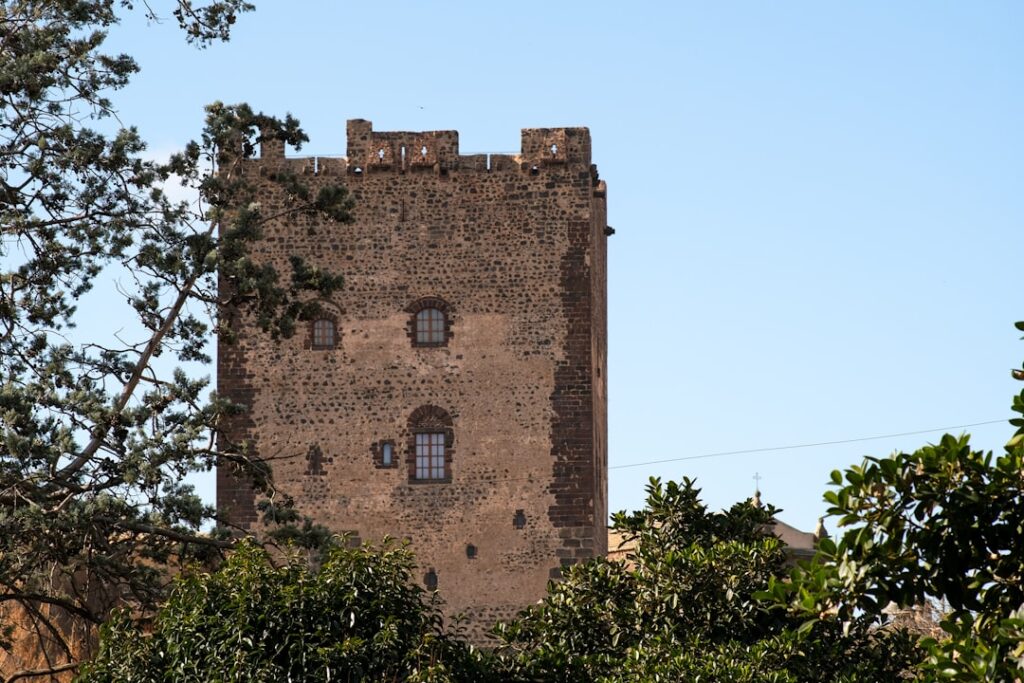
Morning: start at the Castello Normanno-Svevo (Castello Svevo di Bari — Piazza Federico II di Svevia, 70122 Bari). Hours: generally open 09:00–19:00 (check the official site for holidays). Admission: around €6.00 for permanent exhibitions. After the visit, head down to Piazza Mercantile to buy a slice of focaccia at Panificio Fiore (Via Giuseppe Garibaldi 12), then stroll toward the cathedral.
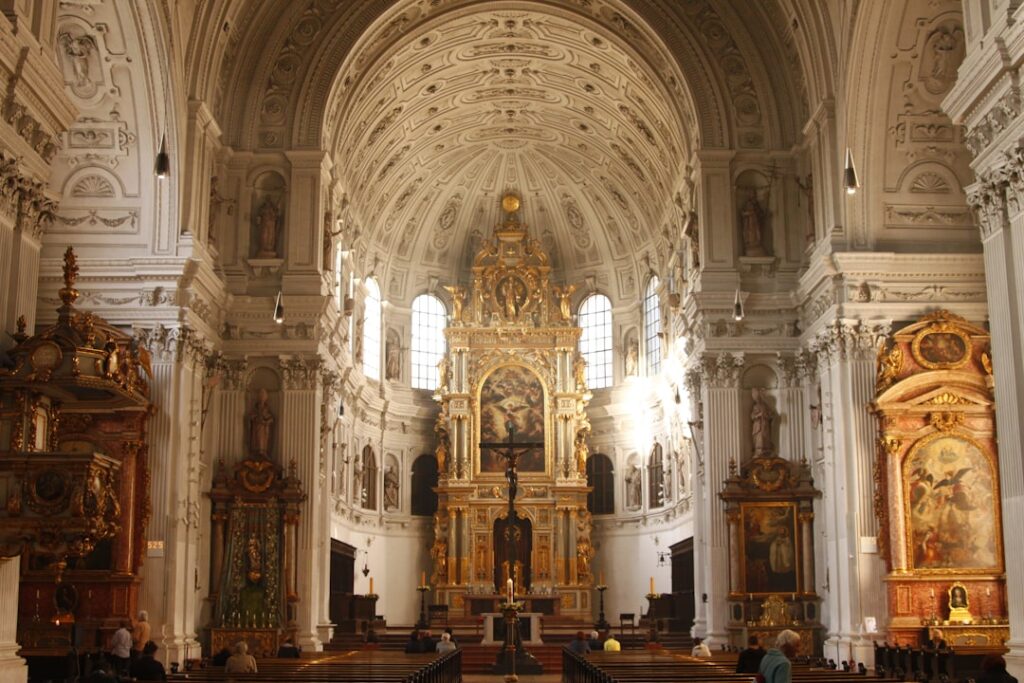
Noon: visit the Cattedrale di San Sabino (Piazza dell’Odegitria 2, 70122 Bari) — self-guided or with a guide. Afterward, explore Bari Vecchia and its alleys: you’ll find the Forno Vecchio (Largo Giannella 1) for a warm focaccia. The Pescaria di Bari fish market (Mercato del pesce — Viale Regina Margherita) also offers an authentic atmosphere — ideal for a lunch pairing of seafood and focaccia.
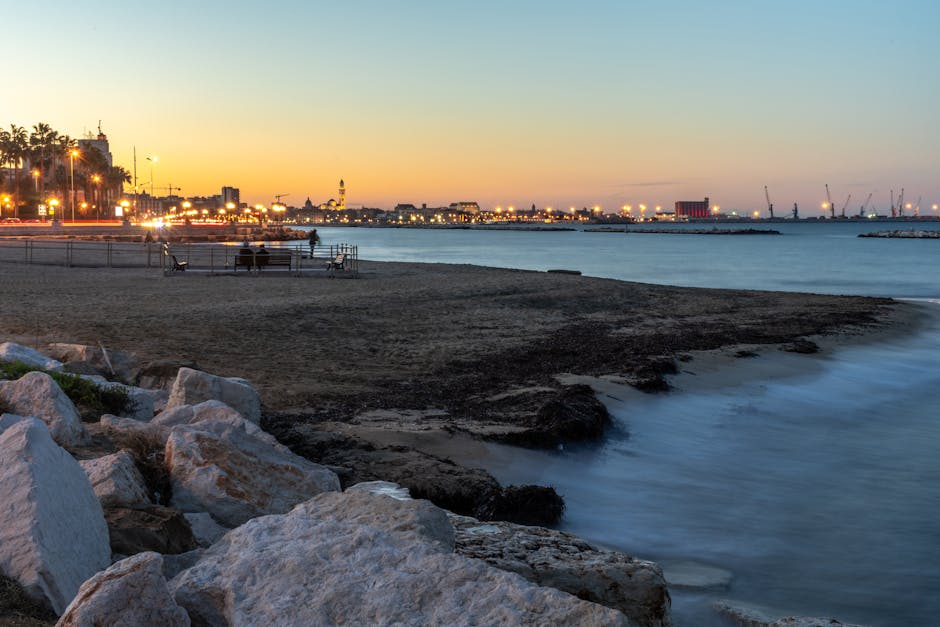
Afternoon: walk along the Lungomare Nazario Sauro for a digestive stroll to the statue of San Nicola and the basilica dedicated to him (Basilica di San Nicola — Piazza San Nicola 13, 70122 Bari). Nearby, stop at Focacceria Il Forno di San Nicola (Via Sparano da Bari 75) to try a cherry-tomato version while watching urban life go by.
Evening: for an aperitivo, head to the Pane e Pomodoro neighborhood where local bars serve regional wines (Primitivo di Manduria, Negroamaro) and boards of shared focaccia. Bar hours vary, but many open around 19:00 and stay open past midnight. A glass of wine costs about €3.50–€6.00.
Logistics tip: most sites are walkable from the central train station (Stazione di Bari Centrale — Piazza Moro 8), making navigation between monuments and food spots easy. Bring a lightweight insulated bag if you buy fresh products like burrata or fish.
Practical tips for travelers: budget, transport and handy advice
Here are practical recommendations based on local habits and tasting experience to organize your Bari visit around focaccia.
- Daily budget for treats: expect €6–€12 per person for two snacks (focaccia + coffee) per day if you mainly eat at local bakeries. A fuller meal (stuffed focaccia + drink + dessert) in a popular focacceria usually costs €8–€15.
- Transport: Bari is very walkable, especially Bari Vecchia and the city center. The central station links regional lines. For longer trips, use AMTAB buses (ticket €1.30 for 90 minutes, validate on board) or taxis (base fare about €3.50 + €1.10/km; approximate). Renting a bike is convenient along the lungomare.
- Language: Italian is the local language; use simple polite phrases in bakeries. Many vendors speak enough English to help tourists, but a “grazie” and “per favore” always go a long way.
- Food allergies: always ask if dairy is added (for stuffed focacce) or if there may be traces of nuts. Bakers can sometimes adapt a simple recipe on request.
- Best season: May–September offers pleasant weather and more activity but also more crowds. For a quieter visit, favor April–June or September–October.
Storage, quick recipes and how to recreate focaccia at home
Focaccia is so beloved partly because it’s easy to recreate at home. Here are tips to store a purchased focaccia correctly and a simplified recipe so you can take a taste of Bari home.
Storage:
- Short term (a few hours): wrap focaccia in a clean cloth or food paper and keep at room temperature away from direct sun. This preserves crust and crumb.
- Medium term (24 hours): put it in a paper bag lined with a tea towel and store in a cool place. To revive crispness, reheat at 180 °C for 5–8 minutes.
- Freezing: cut into portions, wrap each in cling film and place in a freezer bag. Thaw at room temperature then bake 6–10 minutes in a hot oven to regain crunch.
Simplified recipe (practical summary):
- Ingredients: 500 g type 0 or 00 flour, 350–400 ml lukewarm water, 10 g salt, 7 g active dry yeast, 40–60 ml extra-virgin olive oil, cherry tomatoes or onions as desired, flaky salt.
- Method: dissolve yeast in lukewarm water, add flour then salt (avoid direct contact salt/yeast), knead 8–10 minutes. Let rise 1–2 hours at room temperature until doubled. Spread into an oiled pan, rest 30–45 minutes, dimple the surface, add tomatoes or onions, drizzle olive oil and sprinkle salt. Bake at 230 °C for 15–20 minutes.
- Tip: for an even airier crumb, do a slow fridge fermentation for 12–24 hours after the first knead (adjust resting times accordingly).
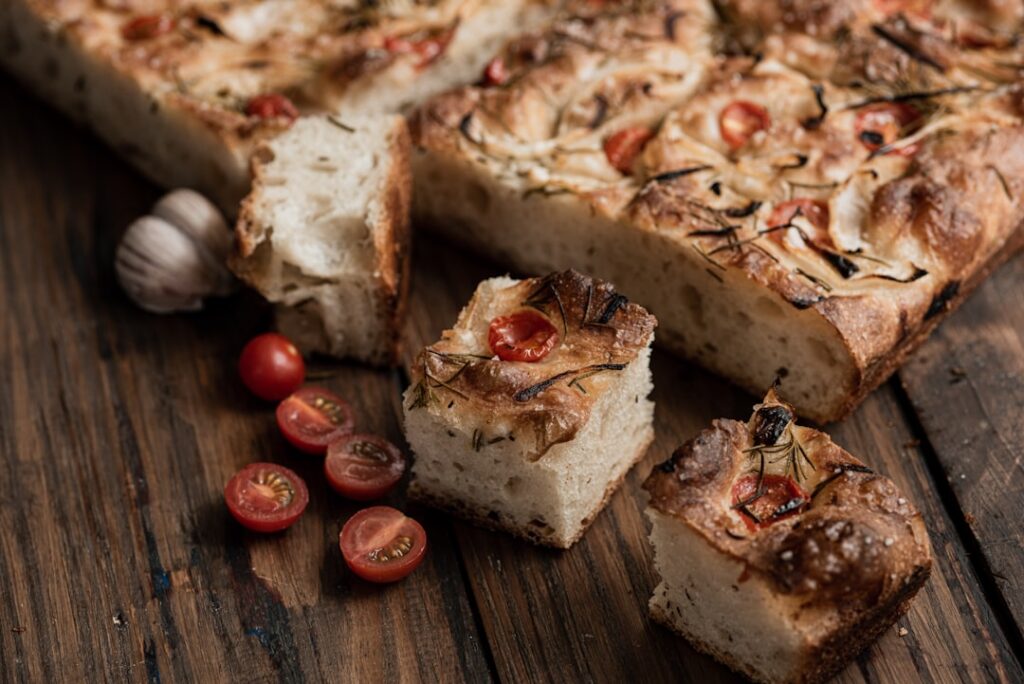
When testing at home, remember Puglian olive oil makes a big difference: if you can source a quality oil even in a small bottle, it will transform the final flavor.
Final practical tips
If you bring back focaccia or local products, avoid airtight plastic wrapping while items are still warm — condensation will soften the crust. Opt for breathable packaging. Finally, respect riposo hours and favor mornings: focaccia is at its most generous and popular then.
Conclusion
Bari focaccia is far more than a simple bread: it’s a bridge between tradition and daily life, a family craft and an essential part of Bari’s urban fabric. From flour to olive oil, from kneading to fast bakes, every step aims to deliver that unique contrast between a crunchy crust and a melting crumb. The places we highlighted — Panificio Fiore, Panificio Martinucci, Il Forno di San Nicola, Panificio Vecchio Forno and Focacceria Santa Rita — showcase different facets of this tradition, from historic artisans in the old town to spots that, while tourist-friendly, remain authentic. Each has its personality, techniques and small innovations that attract both curious visitors and purists.
For travelers, focaccia becomes a reliable culinary compass for exploring Bari: it’s eaten at any hour, perfect for a stroll along Lungomare Nazario Sauro, pairs wonderfully with burrata or a strong coffee, and compares nicely across a tasting that reveals local diversity. Prices remain accessible, letting travelers taste often without breaking the bank, and most bakeries open early, setting the stage for an unforgettable morning experience.
If you’re planning a trip to Bari, include one or more visits to focaccia ovens on your itinerary: watch the bakers, try both plain and stuffed versions, and above all, take time to eat on a bench facing the sea. Learn a few basic Italian phrases, go early to avoid crowds and don’t hesitate to ask vendors for tips — they love sharing their tricks. And if you feel like bringing a piece of Bari home, follow our storage and reheating tips so your focaccia regains a bit of its soul when you’re ready to enjoy it. Buon appetito e buon viaggio — may your journey to Bari be paved with olive oil, golden crusts and moments shared over fresh focaccia from the oven.