





Introduction: Why Bari Is a Must-Visit for Street Art Fans
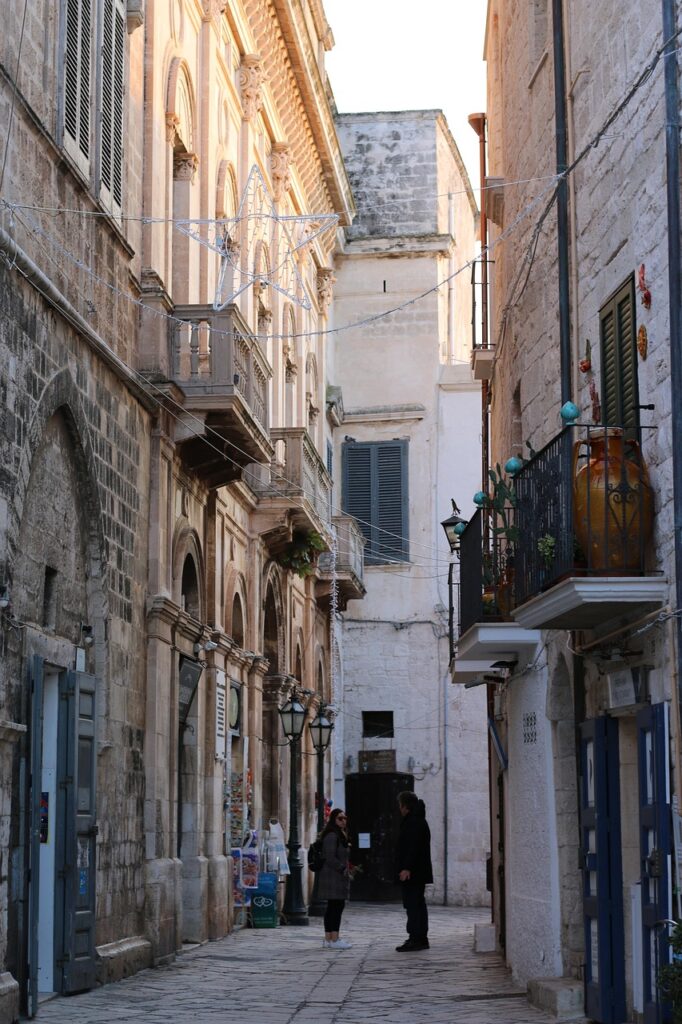
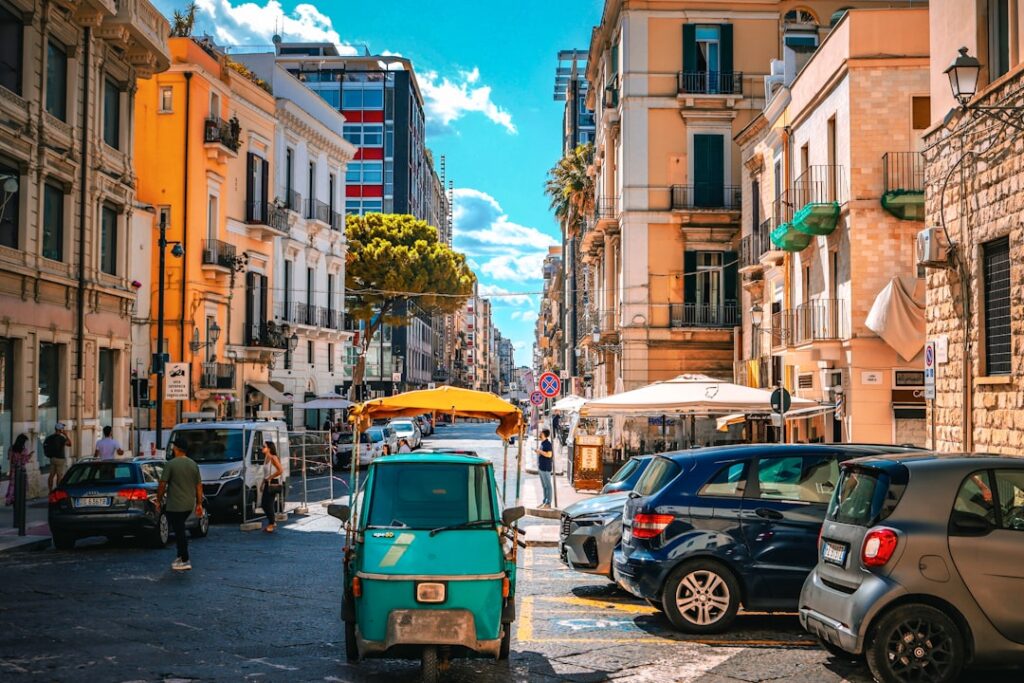
Bari, the capital of Puglia on the Adriatic coast, is more than just a historic city of medieval alleyways and baroque façades — over the past decade it’s turned into a living urban laboratory where festivals, independent workshops and alternative cultural hubs cross-pollinate. For anyone into street art — murals, site-specific installations, outdoor performances and artist residencies — Bari offers a rare blend of deep-rooted heritage and contemporary experimentation. While the city keeps its popular soul in Bari Vecchia, new spaces have emerged that encourage critical creativity, resource sharing and intergenerational dialogue between local, national and international artists.
This guide is written for curious travelers who want to go beyond the usual monument-hopping and dive into the city’s alternative scene: community workshops, reclaimed industrial zones, self-managed cultural centres, hybrid galleries and projection spaces. For each place you’ll find the full name, exact address, typical opening hours (do verify before you go), entrance fees when applicable, and an immersive description to help you picture the vibe. I also share practical tips — how to get there, the best times to catch performances or openings, and how to show respect to the local artist communities.
The “off” cultural landscape in Bari is fluid: pop-up venues, converted factories and rehabilitated squats can change address, legal status or opening hours. Still, some centres stand out for their consistency and reputation: they run residencies for graffiti artists, host mural exhibitions, offer screen-printing workshops, and organize night-time video-mapping walks. As you read on, you’ll find options to satisfy all levels of curiosity — from visitors who simply want to admire murals and urban mosaics to those seeking immersive workshops.
Important note: the prices listed are those commonly charged at the time of writing (in euros). Opening hours may vary with the season (summer/winter) and for special events; it’s a good idea to check official pages or call ahead, especially at weekends. Above all, respect the artists and the spaces: photograph sparingly when requested, don’t tag where it’s not a designated area, and support the centres by buying catalogs or joining workshops.
Centro Sociale Ghetto – a hub for urban creation and live performances
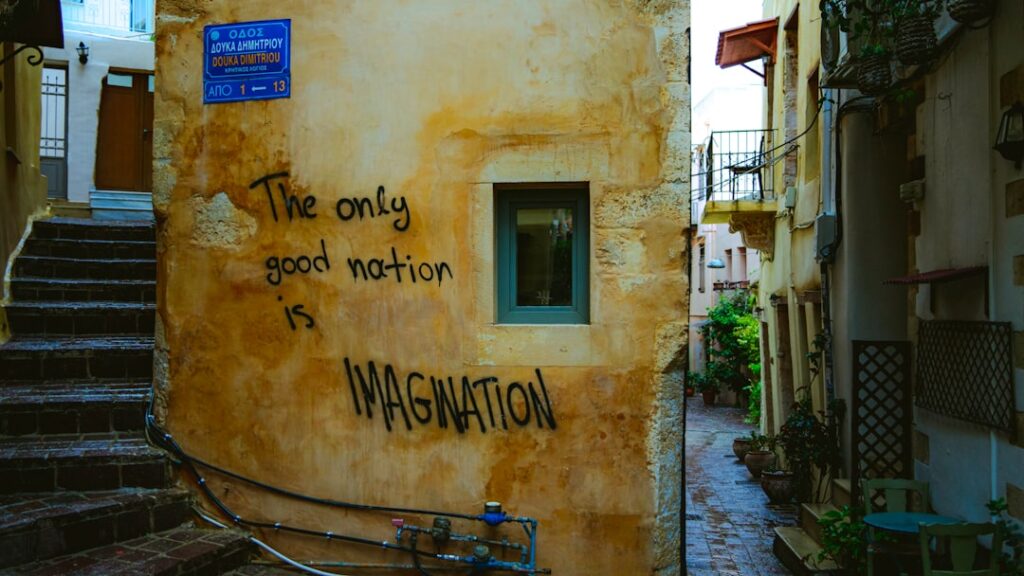
Centro Sociale Ghetto is one of Bari’s most active self-managed cultural centres when it comes to street art and alternative culture. Address: Centro Sociale Autogestito Ghetto, Via Francesco Lattanzio 12, 70124 Bari (Libertà district). The venue works as an activity hub: graffiti workshops, artist residencies, screenings of urban art videos and indie music gigs. Entry is often free for public events; for some nights or workshops the price is typically €3–12 depending on the event. Usual opening hours: Wednesday to Sunday 17:00–02:00, closed Monday and Tuesday unless there’s a special event.
The building keeps an industrial feel transformed by internal mural work: painted corridors, makeshift mosaics, and sculptures made from reclaimed parts. Ghetto is also known for its indoor “walls” where local artists paint during open sessions: you’ll often see frescos in progress, chat with the creators and sometimes join lettering or stencil workshops. The vibe is activist and convivial — a place that prioritizes collective experimentation over art as commerce.
Practical tips: come in the evening to enjoy live music and openings; bring cash (€3–10) for drinks and workshop contributions. If you want to meet artists, arrive early in the evening (18:00–20:00) and explain your interest — many workshops require registration. Respect house rules around photography and surfaces reserved for interventions, and avoid filming long performances without permission.
Officine Creative ExFabbrica – art compound, workshops and large-scale street art
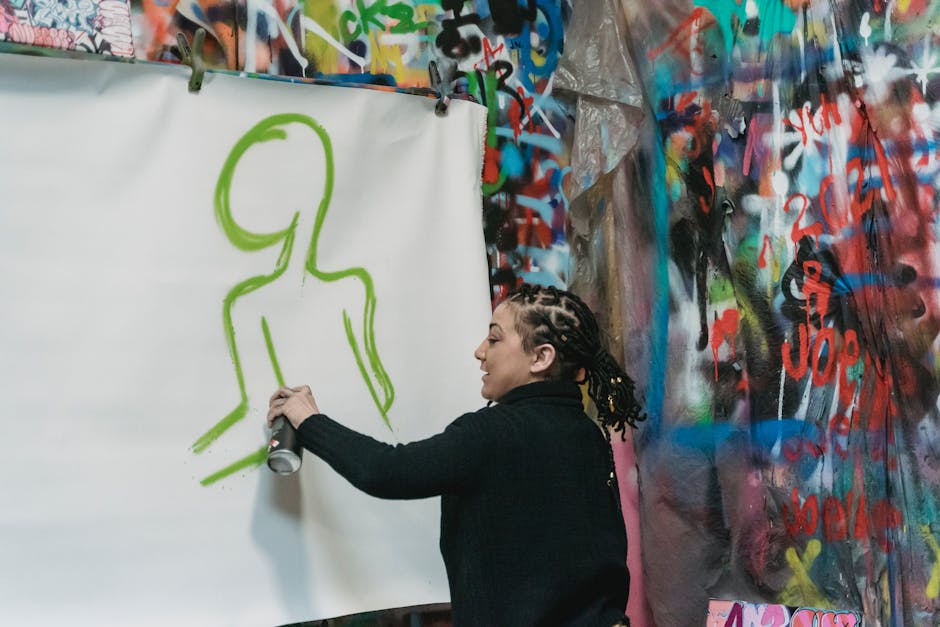
Housed in a former factory on Bari’s northern outskirts, Officine Creative ExFabbrica is a textbook example of industrial conversion into a cultural cluster. Address: Via Luigi Pinto 55, 70131 Bari (north industrial area). The site hosts artists’ studios, exhibition areas for monumental murals, residencies and educational programmes for high-school and art students. Permanent exhibitions are sometimes free, but residencies or guided tours usually cost around €5–8. Typical hours: Tuesday to Sunday 10:00–19:00, closed Mondays (hours may be extended for art nights and special events).
What you’ll see here ranges from large-scale muralism (10–20 metre façades) to multimedia installations that take over the big halls. The workshops are equipped for screen-printing, metalwork and urban sculpture, attracting a hands-on crowd: street artists, sculptors, designers and scenographers. Officine Creative also partners with European festivals, inviting international artists for 2–8 week residencies that often end with public performances.
Local tips: take a taxi or the bus from the central train station (line 16/17 depending on the season); access may include a 5–10 minute walk across industrial terrain. Check the online calendar; weekends frequently feature public workshops and local food trucks. If you’re a photographer, get permission for interior shoots if you’re using a tripod or professional gear — many works are in progress and artists ask for discretion and respect.
Spazio Bottega dell’Arte – a hybrid gallery and experimental lab
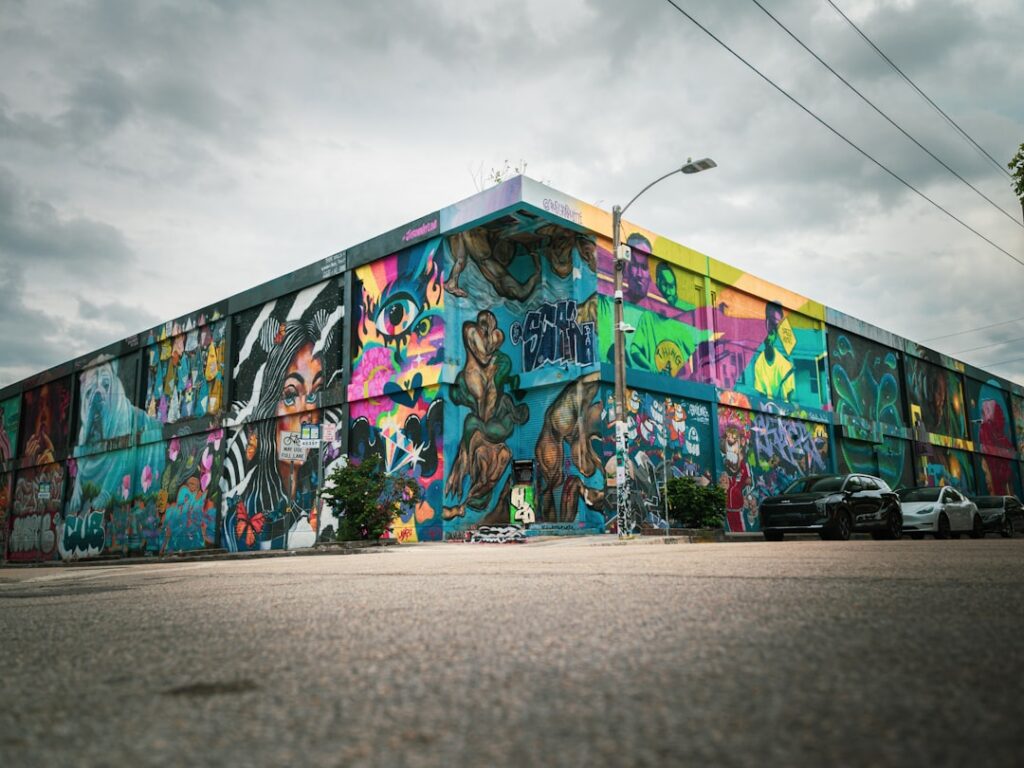
In the heart of a lively neighbourhood sits Bottega dell’Arte Spazio Alternativo, a space that blurs the line between gallery and collective studio. Address: Via Sparano 86, 70121 Bari (right in the shopping area near Corso Vittorio Emanuele II). Spazio Bottega hosts temporary shows, urban-technique workshops (stencil, paste-up, sticker art), screenings and curator talks. Exhibition entry: free to €3; two-hour workshops usually cost €10–25 depending on materials. Opening hours: Wednesday to Sunday 11:00–20:00, closed Monday and Tuesday.
This spot is notable for its educational focus: workshops are designed for both beginners and seasoned artists. Interior walls display a succession of styles, from street collage to typographic interventions. Bottega frequently teams up with street collectives to run “street interventions”: guided outings to outlying neighbourhoods where participants learn to make stickers and small ephemeral murals while respecting public spaces.
Practical advice: Spazio Bottega is an easy 10–15 minute walk from the central train station and sits in an area where you can pair a gallery visit with a coffee break. Book workshops in advance via their Facebook page or by phone; Saturday afternoons fill up quickly. Organizers appreciate material contributions (spray cans, stencils) if you’re traveling from abroad and want to support the community.
Parco delle Murales / Bari Vecchia routes – routes and micro creative hubs
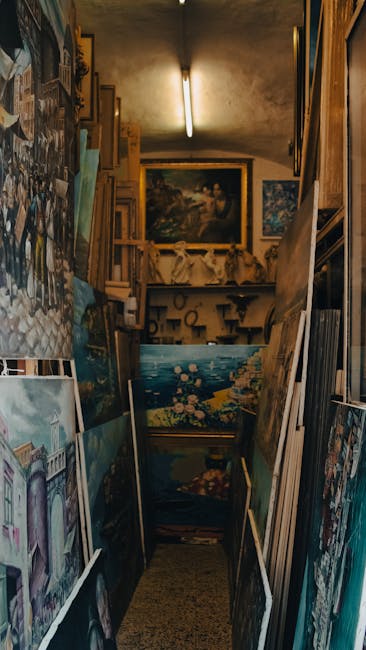
Bari Vecchia, the old town, acts like an open-air urban museum where many street-art projects and small associative centres unfold. Rather than a single institution, Parco delle Murales here refers to the informal trail of murals and interventions stretching between Piazza Mercantile and the seafront on Lungomare Nazario Sauro. To locate micro-hubs, note a few handy addresses that often serve as project bases — for example Associazione Culturale Bari Vecchia, Via delle Orecchiette 3, 70122 Bari (a community association; workshop fees: €5–15; hours vary, typically 16:00–22:00 on weekdays).
A self-guided walk is low-cost: most pieces are freely visible while wandering the lanes; guided walks run by local collectives cost between €8 and €15 per person and last 1.5–2 hours. These routes highlight the artworks as well as the social dynamics behind them: façade restoration workshops, community mosaics and participatory performances during summer festivals. It’s a great way to see how art infiltrates daily life and transforms public meeting places.
Tips for the walk: aim for an early-morning visit (8:30–10:30) or late-afternoon (18:00–20:30) for the best light and fewer tourists. Wear comfortable shoes — some alleys are cobbled. Respect residents: don’t climb on private walls, don’t leave rubbish and ask permission before photographing inside inhabited courtyards. If you want to document works in situ, ask the local project organizer — many distribute explanatory brochures and free maps.
Practical tips and recommended behaviour for visiting alternative centres
Exploring Bari’s alternative scene means moving between official venues and self-managed spaces where rules differ. Here are practical recommendations to make the most of your trip while respecting local artist communities:
- Check opening hours before you go: many self-managed centres close during the day or open primarily in the evening for events. Their Facebook or Instagram pages are often more up-to-date than official websites.
- Bring cash: small associations often operate without card terminals and ask for a contribution at the door or for refreshments (€3–10).
- Respect photo rules: some workshops or residencies ask that certain images not be shared online to protect surprises or copyright. Always ask before publishing.
- Join workshops: it’s the best way to understand local dynamics. Workshops usually cost between €10 and €30, with materials sometimes included.
- Support locally: buy prints, catalogs or tote bags made by the centres — this is often their main source of funding.
- Respect public space: don’t tag outside designated areas and avoid covering recent works without permission — the local scene is small and disputes spread fast.
- Use local transport: city buses and VitoBike (bike-share) services make getting around easy; for out-of-town venues, allow an extra 10–20 minutes or take a taxi (typical city fare: €8–15 depending on distance).
Finally, subscribe to centre newsletters or follow their social accounts: most announce openings, art nights and mapping projections — these are peak moments to see the scene in action. Attending an opening is also an excellent opportunity to talk with artists and understand the intentions behind each urban intervention.
Conclusion: How to enjoy Bari’s alternative scene fully and sustainably
Bari is a rich, contrasting playground for street-art enthusiasts: from self-run centres where creativity stems from social engagement to industrial ruins turned into giant workshops, plus hybrid galleries and mural trails in the old town. Each space operates under its own logic — crowdfunding, volunteer activity, international residencies — but they all share the same goal: turning the city into a site of experimentation and dialogue. By prioritizing visits to these alternative venues, you help sustain local initiatives that give street art a lasting framework.
When planning your trip, combine free, self-guided walks in Bari Vecchia with scheduled visits to centres like Centro Sociale Ghetto and Officine Creative ExFabbrica, and book workshops at Spazio Bottega dell’Arte in advance. Keep the practical budgets in mind (entries €0–15, workshops €10–30) and respect communal rules: the alternative scene is fragile and runs on civic engagement. If you want to go further, propose a collaboration, buy works, or apply for a short residency — international exchange is often welcome and energizes projects.
Ultimately, visiting Bari’s alternative cultural centres is more than looking at art: it’s an active learning experience, a sharing with artist communities, and concrete support for innovative cultural models. Whether you’re a photographer, graffiti writer, curator or curious traveler, Bari will reward attentive visitors with encounters, surprises and urban panoramas where art blends into everyday life. Before you go, check the official pages of the places mentioned, follow local guidelines and let curiosity lead the way — Bari rewards the attentive with unforgettable discoveries.